Itching, scratching, crusting, swelling – sound familiar?
Often caused by an overactive immune system and worsened by stress and environment, eczema is one of those conditions that can go from annoying to painful, quickly. And it’s all about knowing your triggers. From certain shampoos and detergents to weather changes, pollen, dust, and mold, the causes of your symptoms can range far and wide.
If you’re an eczema sufferer, you’ve probably read up on products that are good for your skin. Maybe you’ve heard of things like colloidal oatmeal, pramoxine, and 100% cotton for controlling your outbreaks. Perhaps you swear by certain lotions and moisturizing creams.
Heck, you might even have a favorite, totally organic oil or balm that you turn to when your eczema is really flaring up.
But wait. Did you know that many so-called ‘eczema treatments’ may actually be making your condition worse? In some cases, these are products many people believe are great for eczema.
Here are six skincare products dermatologists recommend looking into before using…
RELATED: End Your Toxic Relationship With These 5 Skin Care Ingredients
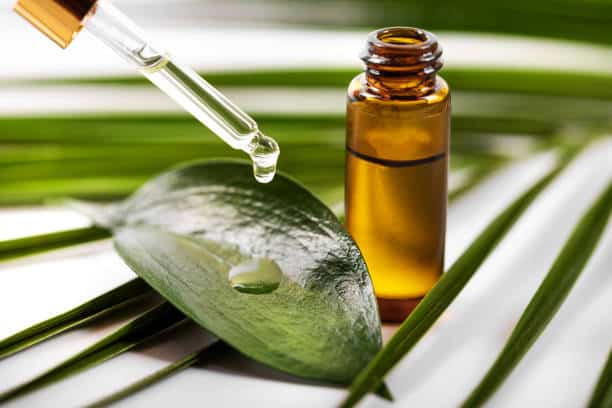
The potential healing benefits of tea tree oil are pushed everywhere. We hear about the effects on inflammation. The impact on bacteria and fungus, the ability to soothe skin and protect it from damage.
But if used undiluted, tea tree oil can be quite an irritant. This is why you need to use a carrier oil to dilute the highly concentrated tea tree oil. Olive and almond oil are great choices.
Before using tea tree oil, put a small drop on non-eczema skin and wait for any allergic reaction. Some people can handle it, some people cannot – so see what works for you.
One common sheep wool derivative is a yellow fat called lanolin. While lanolin has provided relief to some people with skin conditions, this natural moisturizer can also worsen those conditions. Research indicates that a small percentage of eczema sufferers will have an allergic reaction to lanolin.
You’re always welcome to try it, but it might be wiser to opt for something less likely to trigger irritation.
Commonly known as alcohol, ethanol is a main ingredient in many gels sold as topical treatments. Unfortunately, these gels often trigger stinging and burning sensations in people with eczema. Not to mention, they can dry out the skin. This happens because ethanol can induce inflammation, slow healing, and trigger histamine release, which causes allergic reactions.
Interestingly to note, drinking alcohol has also been linked to skin conditions like rosacea, and may worsen symptoms of eczema. So whether you’re hitting the bar or rubbing the skin, keep an eye on your ethanol intake!
We all enjoy a nice lather when taking a bath or shower, but did you know all that bubbly fun could come at a cost? Turns out, a common foaming agent used to remove oil and grease may be worsening your eczema. Cocamidopropyl betaine (CAPB) is a common culprit.
People with eczema who use CAPB may intensify many of their symptoms. In fact, this ingredient is known to cause itchiness, redness, and a tight feeling in the skin. Some people even develop sores and blisters, so if you have eczema, it’s a good idea to check your shampoos and hygiene products for CAPB!
Smelling nice is important, but what if it makes your skin feel awful? Some studies indicate that fragrances account for roughly 40 percent of all allergic reactions to cosmetics products. This allergic contact dermatitis is likely a direct result of the countless synthetic compounds found in many fragrances.
You’ll know quickly if fragrances are worsening your eczema. They can cause everything from rashes to oozing blisters, swelling, burning, and brown leathery patches.
A well-known emulsifier, propylene glycol, is used to keep liquids together that would normally separate under natural conditions. It is also a common ingredient in many medications and topical treatments, like steroid creams, moisturizers, anti-inflammatory drugs, and liquid antihistamines for allergies.
Ironically, sometimes propylene glycol triggers allergies, especially in people with eczema. While many people may use it safely without side effects, you should always consult your dermatologist and doctor first before trying products containing this emulsifier.
At the end of the day, it’s all about your body’s unique composition. We all have different immune systems, different organs, and different sensitivities and weaknesses. One person with eczema may use all of the aforementioned skincare products with minimal issues. Another person might have a severe outbreak from just a drop of the wrong gel.
For some people, products like shea butter, niacinamide (a B vitamin), and aloe vera work wonders; for others, not so much. Speak with your doctor and get on your way to a better, eczema-free day!


By subscribing, you consent to receive emails from BlackDoctor.com. You may unsubscribe at any time. Privacy Policy & Terms of Service.