Summer ain’t over yet, but it’s never too early to get prepared.
While June, July, and August may bring scorching temps and blazing sunshine, for many people, it’s fall when certain issues set in. We’re talking allergies, and for many students returning to school, those allergies can get nasty fast.
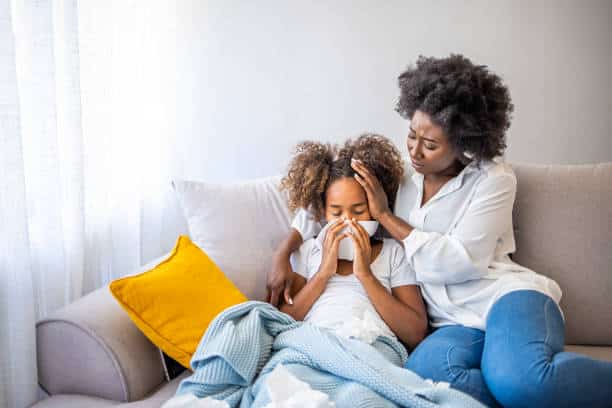
Itchy, red eyes. Runny nose and hacking cough. Feeling tired and yucky. Allergies are caused by everything from mold spores to pollen and dust mites. So if your child is susceptible to allergies, it’s time to get ready before the school year. And don’t forget food! Research shows that Black students are more vulnerable to food allergies, like fish and shellfish.
So let’s cover the bases. Here’s a comprehensive strategy to help Black parents get their kids prepped for the Fall.
The first thing every parent and child should do is develop a proactive allergy plan. This is something you want in place before symptoms get too bad or an allergic reaction occurs. Having both a preventative and a treatment plan is essential.
First, identify triggers, such as pollen, mold, or cockroaches. Then take measures to eliminate them. Regular cleaning, air purifiers, and closed windows on high-pollen days are all useful tactics. Regularly showering and changing clothes when exposed can also be beneficial.
Then comes the medicine. If your child uses meds or needs meds just in case, make sure all those inhalers, sprays, and capsules are in close reach. Let your child’s school know about these issues and provide the allergy plan for the nurse. The school should be familiar with your child and have all the important meds on deck.
RELATED: Allergy Season: What to Have on Hand to Make Sure You’re Fully Covered
If you don’t know what allergens are causing your child’s issues, it’s time to get to the bottom of it. Know what to look for. Common allergens like pollen, mold, and dust mites like certain environments. Ragweed pollen, for instance, may travel vast distances on the wind, so even if you don’t live near it, you may be impacted.
Meanwhile, mold spores love damp indoor and outdoor places. Fallen leaves also trigger mold growth. And finally, dust mites love warm, humid areas, and especially love to bury indoors in your bedding and furniture.
But sometimes it’s still not clear. If it’s not, that’s totally okay. At this point, you should consult an allergist or immunologist. They will usually deliver skin prick and blood tests to see what could be triggering your child’s allergies.
Your allergist will help you devise a plan to avoid allergens or minimize their impact. Medications may be prescribed, and tweaks may be made with follow-ups. In some cases, immunotherapy (another name for allergy shots) may be effective.
But again, before you settle for multiple medications, be sure to follow a prevention plan.
It all starts with cleaning and maintenance…
RELATED: 7 Ways You’re Making Your Allergies Worse
The first step is to keep your home clean with good circulation. Make sure to vacuum carpets and upholstery regularly. Dusting surfaces with a damp cloth can capture those pesky allergens.
When cleaning, consider a HEPA filter vacuum, and try to keep indoor humidity under 50 percent if you have the control option. Dehumidifiers are great for basements, and quality air purifiers – while sometimes pricey – are great if they have a HEPA filter.
And don’t forget the bedding! Try to wash it at least weekly with hot water, as this will kill most mites. Also, be sure to use certified allergy-proof covers on mattresses and pillows.
While the costs of these specialized products may add up, they could still be far less than the costs of medications for serious allergies!
This brings us to another point. Know when to back off. Sure, it’s good to keep your home clean and well-maintained, but sometimes, you’re going to get allergies from going outside. On days when you can avoid it, stay indoors. Check weather apps for pollen counts. Watch your news. Go online to places such as The National Allergy Bureau to see updated information.
Finally, work with the school. Know where the nurse’s office or other places store medications like antihistamines and EpiPens. Know what the emergency procedures are in case your child has a serious reaction.
If you stay on top of your kid’s school, get regular updates, and work with your doctor to help educate the teachers, you’re in great shape. It’s all about consistency and thinking ahead. With a comprehensive approach and open dialogue, you’ve got nothing to worry about.
Stay strong, stay the course, and put those allergens in their place!


By subscribing, you consent to receive emails from BlackDoctor.com. You may unsubscribe at any time. Privacy Policy & Terms of Service.