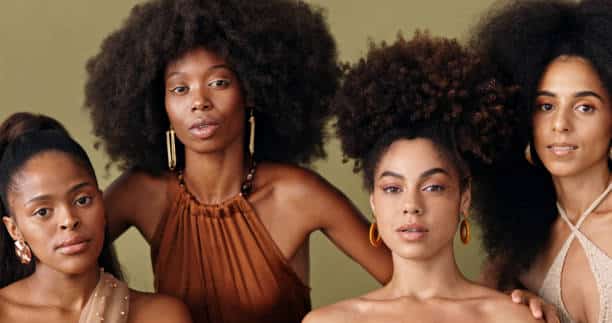
Pretty privilege comes from a physical appearance that closely matches societal beauty standards.
Four key aspects of privilege:
“Pretty privilege can give way to more popularity, higher grades, positive work reviews, and career advancement. People considered pretty are more likely to be hired, have higher salaries, are less likely to be found guilty, and are sentenced less harshly. Pretty people are perceived as smarter, healthier, and more competent, and people treat pretty people better. Pretty privilege is also conditional and is not often extended to women who are trans, Black and brown, disabled, older, and/or fat.”
Featured on BlackDoctor
-Janet Mock
Mock also acknowledges the downsides of being seen as a pretty girl, such as objectification or stereotypes about pretty girls lacking intelligence or work ethic. But then she says something else that I think hits the nail on the head:
“I’ve noticed that it’s more acceptable for pretty women to complain about objectification, the male gaze, and how beauty can undermine intelligence and contribution, but rarely do pretty women complain about — or, rather, acknowledge — the access their prettiness extends to them.”
-Janet Mock
Pretty privilege is more slippery than other forms of privilege because perceptions of beauty are so subjective. Just because we perceive someone as pretty doesn’t mean they have pretty privilege. And just because we perceive someone as not pretty doesn’t mean they do not have pretty privilege. It’s about your unique combination of physical traits, how you package those traits and whether or not they match or do not match cultural ideas of “prettiness.”
Women and femmes, in particular, can take measures to increase their chances of being perceived as pretty. Wearing makeup is the most common, but so is choosing specific hairstyles, usually long and straight, or particular types of clothing, such as high heels, corsets, push-up bras, etc.
However, girls and women whose natural features are already considered pretty, such as having a naturally even skin tone with no scarring, benefit from pretty privilege even without careful packaging. One of the advantages of pretty privilege is being still seen as pretty when you’re not dressed up or fully made up.
Although “pretty” is a gendered term usually deemed a feminine, female, girl, or woman descriptor, men and masculine presenting individuals do have a version of this as well.
Concerning colorism, many dark-skinned men are considered heartthrobs, but they always have facial features typically associated with white men–thinner noses and lips. They also tend to have more defined facial structures and are either slim or very fit.
However, a patriarchal society does not judge or policemen based on perceived attractiveness nearly as much as women.
When taking into account colorism, featurism, and texturism, the basic structure of pretty privilege is that people of color with lighter skin, narrower noses, thinner lips, lighter eye color, and looser curls or straighter hair benefit the most from pretty privilege. These features are generally deemed inherently desirable and inherently pretty.
Case in point, when Black folks say that an interracial couple will have “pretty babies,” they are using shorthand for “light skin, thin features, loosely curled hair, etc.” Without knowing what a child will look like, folks automatically assume they will be “pretty” as long as they have those features.
So light-skinned people are more likely to benefit from pretty privilege because lighter skin is seen as inherently prettier. But a light-skinned person with a wide nose and type 4 hair or large lips will not have the same degree of pretty privilege as someone of the same color but with a slim nose and green eyes.
While darker skin is not the societal idea of pretty, a dark-skinned girl with hazel eyes, long hair, a slim nose, and a slender frame could be privileged relative to other dark-skinned girls. Tatyana Ali, Tika Sumpter, Kesha Knight Pulliam, Aja Naomi King, and even Issa Rae are iconic for this. Even though these women are dark-skinned, their features and hair have allowed them to play certain roles.
Again, pretty is a gendered term, as is skin tone. Because light skin is associated with femininity and “pretty” is considered feminine, these correlations contribute to the perception of light-skinned people as pretty. And because dark skin is masculinized, it’s less likely to be associated with prettiness.


By subscribing, you consent to receive emails from BlackDoctor.com. You may unsubscribe at any time. Privacy Policy & Terms of Service.