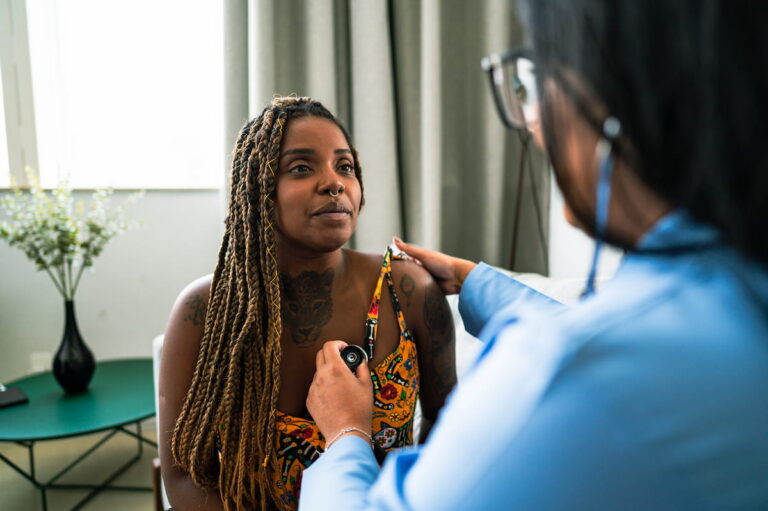
Cervical cancer is a type of cancer that affects the cells of the cervix, the lower part of the uterus that connects to the vagina. While cervical cancer can affect any woman, black women are at a higher risk of developing the disease. In fact, black women are more likely to develop cervical cancer and are more likely to die from the disease than women of any other racial or ethnic group. The good news is that cervical cancer is preventable, and there are steps you can take to reduce your risk of developing the disease.
Cervical cancer is usually caused by a type of human papillomavirus (HPV). HPV is a common sexually transmitted infection that can cause changes in the cells of the cervix, which can lead to cancer. Not all women who have HPV will develop cervical cancer, but the virus is the main cause of the disease.
Other factors that can increase your risk of developing cervical cancer include:
Smoking: Women who smoke are twice as likely to develop cervical cancer as non-smokers.
Weakened immune system: Women with weakened immune systems, such as those who have HIV or who are taking immunosuppressive medications, are at an increased risk of developing cervical cancer.
Family history: Women with a family history of cervical cancer are at a higher risk of developing the disease.
One of the most effective ways to prevent cervical cancer is to get regular Pap smears. A Pap smear is a screening test that checks for abnormal cells in the cervix, which can be a sign of cervical cancer or precancerous changes. The American Cancer Society recommends that women begin getting Pap smears at age 21 and continue getting them every 3 years until age 29. Women between the ages of 30 and 65 can get a Pap smear every 3 years or an HPV test every 5 years. Talk to your healthcare provider to determine the best screening schedule for you.
Another way to prevent cervical cancer is to get vaccinated against HPV. The HPV vaccine is recommended for both boys and girls between the ages of 9 and 14. The vaccine is also recommended for women up to age 26 and men up to age 21 who have not been vaccinated. The HPV vaccine can protect against the types of HPV that are most likely to cause cervical cancer.
Practicing safe sex can also help prevent cervical cancer. Using condoms can reduce your risk of getting HPV and other sexually transmitted infections. It’s important to note, however, that condoms do not provide complete protection against HPV, as the virus can be spread through skin-to-skin contact.
If you smoke, quitting is one of the best things you can do for your overall health, including your risk of developing cervical cancer. Women who smoke are twice as likely to develop cervical cancer as non-smokers. Talk to your healthcare provider about resources to help you quit smoking.
Maintaining a healthy immune system can also help prevent cervical cancer. Eating a healthy diet, getting enough sleep, and managing stress can all help keep your immune system strong. If you have a weakened immune system, talk to your healthcare provider about ways to improve your immune function.
Cervical cancer is a serious disease, but it is also preventable. By getting regular Pap smears, getting vaccinated against HPV, practicing safe sex, quitting smoking, and boosting your immune system, you can reduce your risk of developing cervical cancer. It’s important to talk to your healthcare provider about your individual risk factors, as well!


By subscribing, you consent to receive emails from BlackDoctor.com. You may unsubscribe at any time. Privacy Policy & Terms of Service.