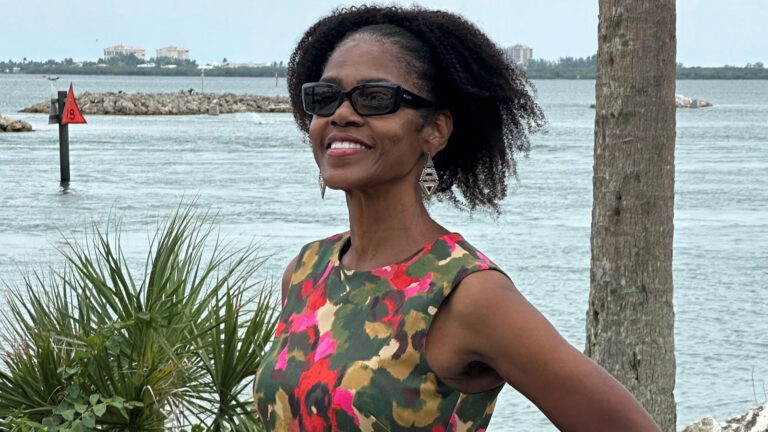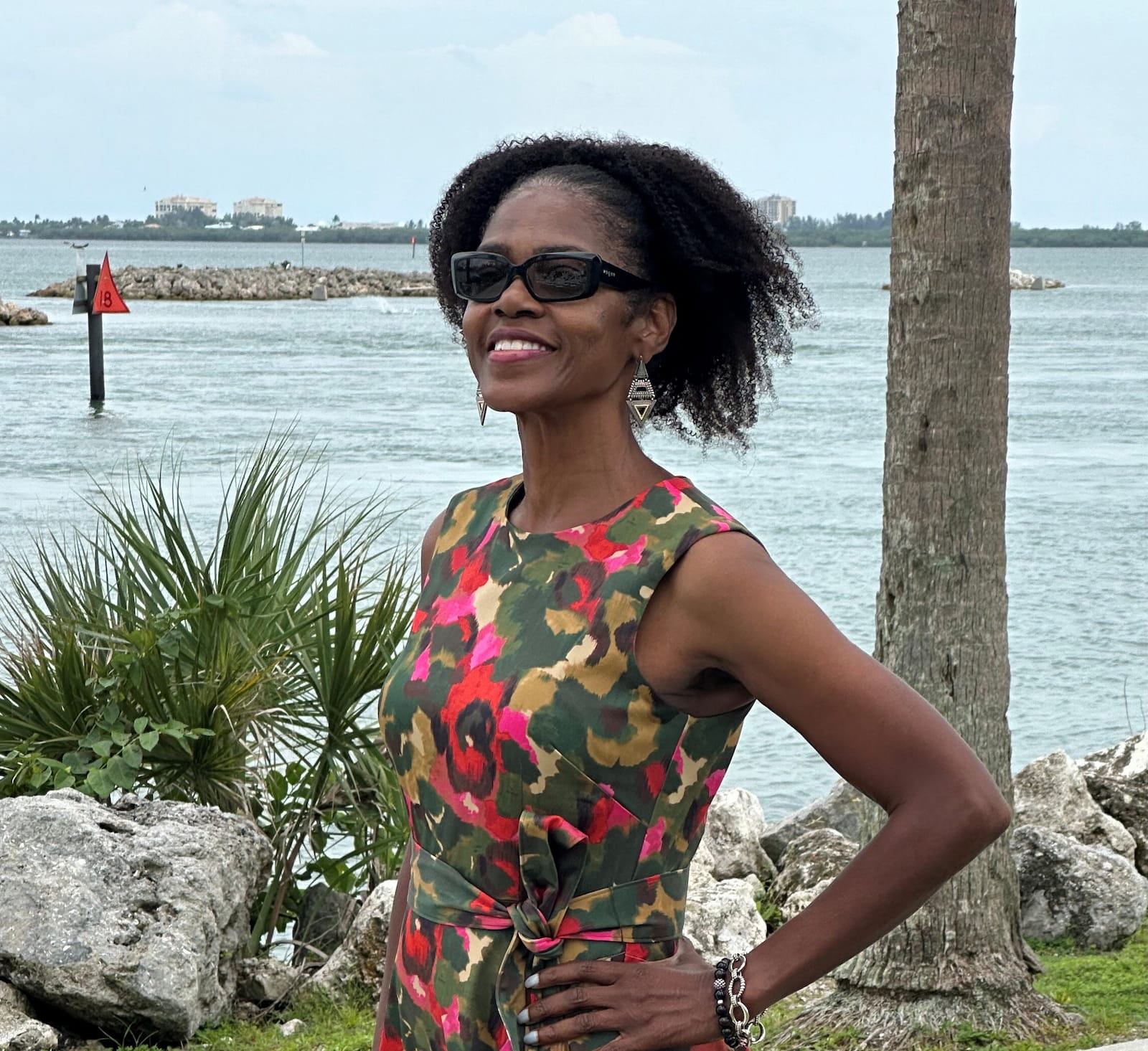
For years, Ertha Patrick noticed changes in her memory she couldn’t explain.
It was sometime around her mid-50s when Patrick began experiencing cognitive issues that seemed to be getting worse.
At first, she attributed some of her symptoms to fibromyalgia, Patrick said in an interview with BlackDoctor.
But there was another culprit she could not ignore that pointed to the possibility of Alzheimer’s disease: Her father died from the disease, as did his father and two of his brothers.
Overall, Black Americans are nearly twice as likely to develop Alzheimer’s disease and related dementias compared to older white Americans, according to the Alzheimer’s Association.
For Patrick, it would take years for her to get a concrete answer. Patrick, now 64, first consulted a neurologist about her concerns and underwent neuropsychological testing in early 2022.
She said she passed the testing, scoring above the 90th percentile in several areas. But her concerns did not go away. And she continued to experience cognitive difficulties, anxiety, chronic pain and a growing sense that something was not right.
Patrick’s experience resonates with Black women across the country receiving an Alzheimer’s diagnosis.
Today she serves her peers through advocacy work as a patient advocate for UsAgainstAlzheimer’s. The organization continues to raise awareness about the importance of early detection and equitable access to Alzheimer’s diagnosis and care.
Patrick served on the Lived Experience Advisory Group for UsAgainstAlzheimer’s Brain Health Journey, which provides resources for people with cognitive concerns, their care partners, and healthcare clinicians.
“Ertha’s story reflects critical and common failures in our current healthcare landscape: Black Americans are at greater risk of developing Alzheimer’s, yet they are less likely to receive a timely diagnosis,” said Daphne Delgado, UsAgainstAlzheimer’s vice president of Health Equity.
“Every patient deserves to have timely and reliable access to evidence-based information, primary care doctors responsive to their needs, and specialists who can help guide the patient’s journey. Ensuring that we’re building a healthcare system and workforce that recognizes and reflects the patient population is a key priority for UsAgainstAlzheimer’s.”
Catherine Patterson, acting chief operating officer at UsAgainstAlzheimer’s, said in a written statement: “Too many people spend months or years searching for answers, losing valuable time along the way.”
She added: “At UsAgainstAlzheimer’s, we are working to make earlier detection and diagnosis the norm, because getting answers sooner can mean more options for treatment, more time to plan and a greater ability for people and their families to make informed decisions about the future.”
In Patrick’s interview with BlackDoctor, she opens up about hearing the words “early Alzheimer’s,” the warning signs she noticed, how she had to fight for answers and why she believes Black women and families must trust themselves and advocate for their health.
Her responses have been edited for length and clarity.
RELATED: 5 Tips to Live Fully with Early-Onset Dementia
Ertha Patrick: The moment I first heard the words “early Alzheimer’s” was sobering and somewhat of an out-of-body experience, but at the same time, I also felt a sense of relief. By the time I was diagnosed, I had grown increasingly concerned that the cognitive issues I had first sought evaluation for nearly three years earlier were getting worse and that something was being missed.
I felt relieved to finally be in the “good hands” of an expert, Dr. David Hunter at UT Health Houston Neurocognitive Disorders Center. During my initial appointment, he made a tentative diagnosis and ordered a PET scan for confirmation. He also ordered genetic testing because my father, grandfather and two of my father’s brothers had all died of Alzheimer’s disease.
How I felt when the PET scan confirmed the diagnosis was a different matter. My husband and I had driven from Austin to Houston for the scan, and I received the results on my phone a few hours later, midway through our three-hour drive home.
I felt devastated. I felt scared, scared, scared about what was to become of me. I felt a sense of disintegration. I felt alone. I felt unable to breathe in the realization that in the future I might not know my children and grandchildren. I cried all the way home.

Ertha Patrick: When my neurologist told me in 2022 that I did not have Alzheimer’s, I wanted to believe it, so I chose to believe it. I trusted him — I liked him, he listened to me, and he was helpful. Still, I wondered how he and the neuropsychologist could be so sure based on the testing that had been done. It didn’t feel sufficiently definitive to me.
Over the next two years, I became increasingly certain that my cognitive issues were worsening, despite retiring from my stressful job and making changes to improve my physical and mental health.
By mid-2024, I sought neuropsychological testing again. Once again, I passed, but I was adamant that something was being missed. I explained that I have a BS in Math and a PhD in Policy Analysis and wondered whether my analytical background was affecting how the testing captured the changes I was experiencing.
The neuropsychologist ultimately diagnosed me with “Unspecified (Mild) Neurocognitive Disorder,” which helped me get an appointment with an Alzheimer’s specialist. After reviewing my previous reports and conducting additional testing, Dr. Hunter told me I very likely had Amnestic Early Onset Alzheimer’s Disease. He explained that my presentation was not classic and pointed to the significant difference between my very high language scores and extremely low naming score as a red flag.
I was sad to hear that I likely had Alzheimer’s, but I wasn’t completely surprised. For nearly three years, I had experienced a nagging concern that the testing was missing something.
Ertha Patrick: The first changes showed up in my everyday life, especially at work. I worked virtually for several years, and it got to the point where I needed two screens and my iPad for notes and prompts to remember coworkers’ and supervisees’ names and what I wanted to say during meetings. Tasks were also taking me significantly longer, particularly analytical and quantitative work that had once come naturally to me.
One change that really stood out was struggling to help my grandchildren with their Algebra homework. I have a BS in Math and taught high school math earlier in my career, yet I was finding Algebra and Geometry difficult. I also had increasing difficulty finding words — I knew what I wanted to say, but sometimes the word felt blocked or deeply hidden in the back of my mind.
By 2024, those issues had continued or worsened. I would forget where I parked at familiar places, even after consciously trying to remember. I had increasing difficulty remembering people’s names — at one point, I couldn’t remember my daughter-in-law’s name.
I sometimes felt “off,” like I was not quite there, and experienced brief episodes of losing a sense of time and place. Cooking became more difficult, too: I would burn food, forget to turn off a burner or leave out ingredients. It wasn’t any one thing. It was seeing these changes continue and worsen that convinced me something was really happening.
Ertha Patrick: At first, I wanted to believe that I didn’t have Alzheimer’s, even though I was concerned the testing might be missing something. But my strong family history, my previous diagnosis of white matter disease and my own sense that something was changing continued to nag at me.
Eventually, I requested to be retested. When I passed the neuropsychological testing again in 2024, I was adamant that something was still being missed. I decided I needed to see an Alzheimer’s specialist rather than another general neurologist. It took many phone calls and months of waiting to get an appointment, as well as back-and-forth with imaging providers, my doctor and my insurance company to get my initial amyloid PET scan approved.
I have dealt with several chronic conditions since my twenties and thirties, so I am accustomed to advocating for myself, learning about diseases and asking the right questions. I have also wondered whether more care would have been taken initially if I had been a white man with a similar educational background and testing profile. I believe that it would have been.
This experience reinforced for me how important it is to keep advocating for yourself when you know something has changed, even when the initial testing does not provide an answer.
Ertha Patrick: My advice is that you should be more scared not to be evaluated. Don’t let fear cause you to put it off, particularly when getting answers earlier may give you more options for treatment and care.
I also strongly believe in paying attention to your brain health, particularly if Alzheimer’s runs in your family. Talk with your health care provider about your family history, your individual risk, and whether genetic counseling or testing may be appropriate for you.
And advocate for yourself. If you continue to have concerns about your diagnosis or treatment, consider getting a second opinion from an Alzheimer’s specialist rather than relying only on a general neurologist.
Most importantly, trust yourself when you know something has changed. Ask questions, keep looking for answers, and don’t be afraid to seek help.

By subscribing, you consent to receive emails from BlackDoctor.com. You may unsubscribe at any time. Privacy Policy & Terms of Service.