There are countless types of hair extensions and a variety of ways to install them! With so many different installation methods, how do you decide which one is best for you? The right install can lead to increased hair growth, thickness, and overall better hair health, but the wrong install can result in hair loss, damage, and breakage.
Lucky for you, there’s no need to worry! We’ve explored three common installation methods to help you maintain healthy hair with your next hairstyle.
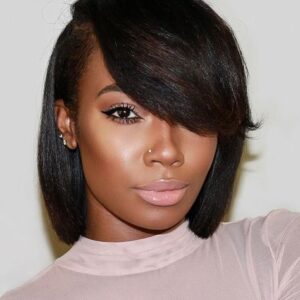
Quick-weaves are the less expensive and less time-consuming option to sew-ins. Only a few supplies are required to complete this installation, but glue is the most important supply that makes it quick and easy.
Hair bond glue is used to glue the tracks onto the hair. You can use either Human Hair or a Synthetic blend, but quick-weaves are called quick for a reason. They do not last long and potentially threaten your hair because of the installation process.
Without using the proper bond or protective shield, the glue can seep through to your natural hair and cause breakage underneath the cap where the tracks are glued.
To prevent this breakage, you must be sure to use a protective shield such as Robert’s Diamond Bond protective shield. On the damage scale, I would rate quick-weaves a 7/10 when done incorrectly without the shield and a 4/10 when done with the shield.
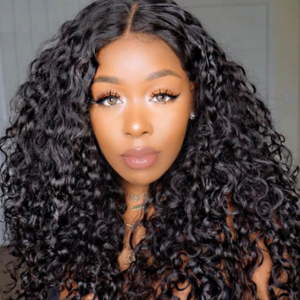
Sew-Ins are a great option for a more natural and flatter look. They also require your hair to be cornrowed into a certain pattern so the person installing the hair tracks can strategically lay them across your head and sew them in with a needle and thread. If you get a sew-in, there are a couple of options:
Closure Sew-In
Leave Out Sew-In
During the humid summer months, your hair may revert to its natural state, and applying heat is crucial to your sew-in blending well.
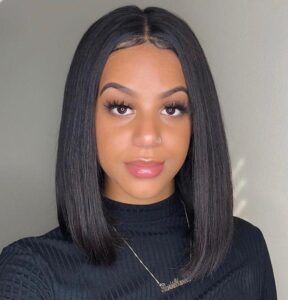
Recently, during this new decade of wigs couture, lace fronts have been on the rise. “Frontals” are wigs that must be plucked and dyed to your liking. They are installed using a glue adhesive and are many women’s favorite protective style.
When done correctly and installed over a wig cap, frontals pose no risk to your hair. Many people use extra precaution and choose to install a glue-less unit secured with a sticky band underneath their wig.
Regardless of hair health, frontals may be your best option to preserve your natural hair health underneath your install. On the damage scale, I rate frontals a 2/10 being the least damaging.
Without the proper research, you may damage your hair, especially if you do not intend to go to a professional. At-home installs of Quick-weaves have left women’s natural hair in shambles, filled with dried-up glue that is difficult to remove, and improperly installed sew-ins have left women balding in some areas of their scalp.
Whichever type of installation you choose, you need to be sure to do your research before. It is important to know all the risks before determining what install is right for you!


By subscribing, you consent to receive emails from BlackDoctor.com. You may unsubscribe at any time. Privacy Policy & Terms of Service.