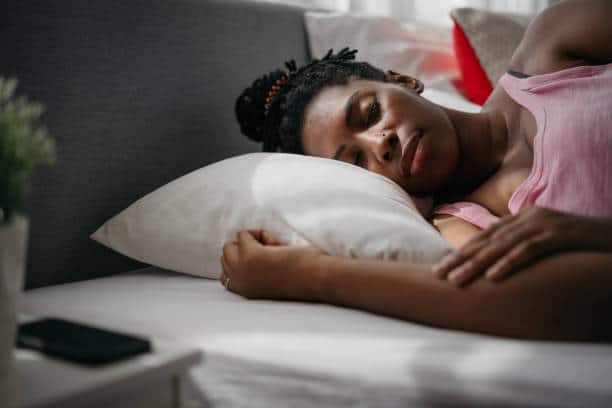
Sleep deprivation is more than just an inconvenience—it’s a silent killer that disproportionately impacts Black Americans. Contributing to higher rates of heart disease, diabetes, obesity, and mental health challenges, poor sleep is an overlooked public health crisis in our community.
Sleep deprivation has quietly evolved into a public health epidemic for Black Americans. New research and historical insights show that systemic racism, chronic stress, and environmental factors are at the heart of this crisis. Renowned health advocate Dick Gregory once warned that sleep deprivation was the leading cause of death in America, urging us all to prioritize rest for optimal health and longevity.
A 2024 USA Today article further confirms what many in our community have long known: Black individuals experience shorter, less restorative sleep. Economic inequality, residential segregation, and the constant stress from discrimination all play significant roles in this disparity.
Sleep deprivation isn’t just about feeling tired—its impact runs deep in our bodies and minds. Here’s how poor sleep affects us:
Dick Gregory emphasized the power of aligning our sleep with the body’s natural rhythms. He advocated for going to bed about 90 minutes after sunset—when melatonin production peaks—to help our brains and bodies fully recharge.
RELATED: 6 Habits That Will Give You the Best Sleep of Your Life!
Recent studies provide compelling evidence of how systemic issues directly affect the sleep of Black Americans. The 2024 study by Venkataramani et al. reveals that the psychological trauma from exposure to police violence—such as the killing of unarmed Black individuals—leads to increased reports of short and fragmented sleep. Complementing this, the 2022 study by Caraballo et al. demonstrates that over 15 years, Black Americans have consistently experienced insufficient sleep compared to their white counterparts.
These studies align closely with the everyday realities of Black American life. The chronic stress from systemic discrimination, economic hardship, and community-wide trauma manifests in disrupted sleep patterns. When external pressures constantly challenge our sense of safety and stability, our bodies struggle to achieve the deep, restorative sleep necessary for healing and resilience. In this way, the data underscores how the fight for social justice is intimately linked with the battle for better health—and better sleep.
Several unique challenges disrupt the sleep of Black Americans:
Beyond these major barriers, everyday habits and lifestyle choices can also quietly sabotage our sleep:
RELATED: 5 Breathing Exercises That Guarantee a Better Night’s Sleep
This is a call to reclaim our rest and our health. Sleep deprivation isn’t just a minor inconvenience—it’s a public health crisis that demands our attention. Here’s what we can do:
By blending personal insights, scientific research, and practical solutions, we can spark awareness, inspire healthier habits, and advocate for equitable health policies that uplift our community. Let’s work together to ensure that the rest we get isn’t a luxury—but a vital part of our well-being.
Remember, when we reclaim our rest, we reclaim our power. It’s time to prioritize sleep as a cornerstone of Black health and a fundamental step toward achieving health equity.


By subscribing, you consent to receive emails from BlackDoctor.com. You may unsubscribe at any time. Privacy Policy & Terms of Service.