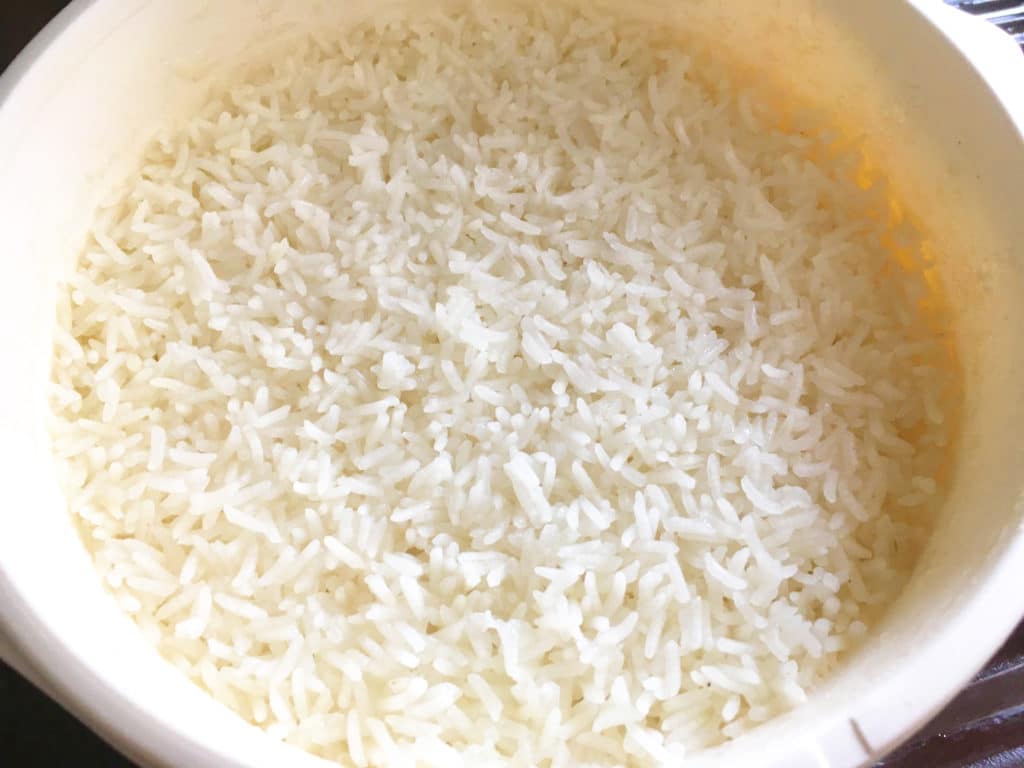
Although reheating takeout when you’re too busy to cook is one of life’s great pleasures, leftover rice can actually be really bad for you, the National Health Society says.
Because if you didn’t already know, you can get a pretty grim case of food poisoning from eating reheated rice; it’s not the reheating that causes the problem, but instead the way the rice has been stored after being cooked the first time.
Uncooked rice often contains spores (cells capable of reproducing quickly) of Bacillus cereus — a bacteria strand that can cause food poisoning — that can survive when rice is cooked.
Bacillus cereus, Bacillus cereus or B. cereus is a type of bacteria that produces toxins.
These toxins can cause two types of illness: one type is characterized by diarrhea and the other, called an emetic toxin, by nausea and vomiting. These bacteria are present in foods and can multiply quickly at room temperature.
The longer cooked rice is left at room temperature, the more likely it is that the bacteria will make the rice unsafe to eat — meaning it’s vital that you store your rice at the right way quickly if you’re hoping to reheat it later.
If you eat rice that contains Bacillus cereus bacteria, you may be sick and experience vomiting or diarrhea about one to five hours afterwards. Symptoms are
relatively mild and usually last about 24 hours.
– ideally, serve rice as soon as it has been cooked
– if that isn’t possible, cool the rice as quickly as possible (ideally within one hour)
– keep rice in the fridge for no more than one day until reheating
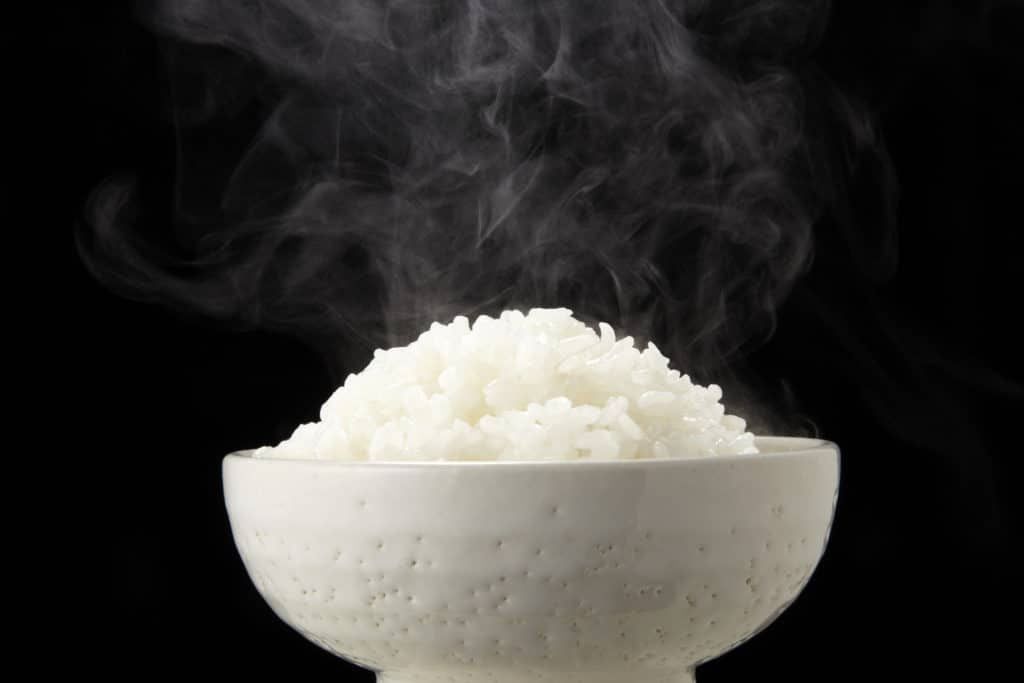
– when you reheat any rice, always check the dish is steaming hot all the way through
– do not reheat rice more than once
So, how do you increase the chances of avoiding food poisoning all together?
First, serve rice as soon as it is cooked, and cool any leftovers as quickly as possible.
The NHS recommend within an hour, ideally.
When cooking rice, make sure that it reaches a high temperature. Keep it out of the danger zone — between 40°F and 140°F — where bacteria grow rapidly.
Serve rice immediately after cooking.
To further reduce bacteria growth, cool food quickly by:
Dividing the food into shallow food containers and sealing them with a lid.
Placing hot food directly into the fridge or freezer. Risottos or paellas will freeze better than plain rice.
Do not leave rice or any hot food sitting out for more than 1 hour.
The USDA recommend only storing leftovers for set periods:
Dispose of fridge leftovers after 3 to 4 days.
Dispose of freezer leftovers after 3 to 4 months.
Store foods at a safe temperature. According to the USDA, room temperature is 90°F, which is the ideal temperature for bacteria to grow. Bacteria grow rapidly between 40°F and 140°F.
Store foods at 40°F and below. Make sure the fridge is at this temperature or lower.
Throw away any leftovers kept at room temperature for over 2 hours.
It’s worth noting you should also check the rice is “steaming hot” all the way through when you’re reheating it, and never attempt to reheat it more than once.


By subscribing, you consent to receive emails from BlackDoctor.com. You may unsubscribe at any time. Privacy Policy & Terms of Service.