
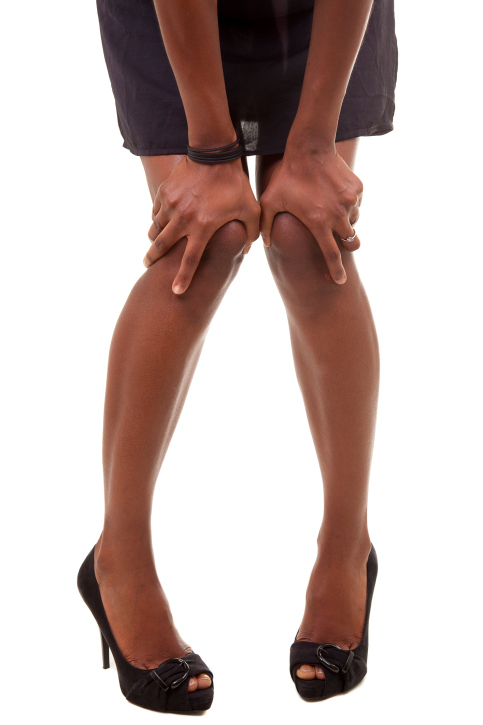
Restless legs syndrome (RLS) is a sensory disorder causing an almost
irresistible urge to move the legs. The urge to move is usually due to
unpleasant feelings in the legs that occur when at rest. People with RLS use
words such as creeping, crawling, tingling, or burning to describe these
feelings. Moving the legs eases the feelings, but only for a while. The
unpleasant feelings may also occur in the arms.
Effects of RLS
RLS can make it hard to fall asleep and stay asleep. People with RLS often
don’t get enough sleep and may feel tired and sleepy during the day. This can
make it difficult to:
Not getting enough sleep can also make you feel depressed or have mood
swings.
RLS can range from mild to severe, based on:
Types of RLS
There are two types of RLS:
Periodic Limb Movement Disorder
Most people with RLS also have a condition called periodic limb movement
disorder (PLMD). PLMD is a condition in which a person’s legs twitch or jerk
uncontrollably about every 10 to 60 seconds. This usually happens during sleep.
These movements cause repeated awakenings that disturb or reduce sleep. PLMD
usually affects the legs but can also affect the arms.
Outlook
RLS can be unpleasant and uncomfortable. However, there are some simple
self-care approaches and lifestyle changes that can help in mild cases. RLS
symptoms often improve with medical treatment. Research is ongoing to better
understand the causes of RLS and to develop better treatments.
What Causes Restless Legs Syndrome?
Primary RLS
In most cases of restless legs syndrome (RLS), no cause can be found. When no
cause can be found, the condition is called primary RLS. It is known, however,
that primary RLS tends to run in families. People whose parents have RLS are
more likely to develop the disorder. This suggests that there may be a genetic
link that increases the chance of getting RLS.
Secondary RLS
Secondary RLS is RLS that is caused by another disease or condition, or as a
side effect of certain medications. Some of the diseases and conditions that can
cause RLS are:
RLS is common in pregnant women. It usually occurs during the last 3 months
of pregnancy and usually improves or disappears within a few weeks after
delivery. However, some women may continue to have symptoms after giving birth
or may develop RLS again later in life.
Some of the types of medicines that can cause RLS are:
RLS symptoms usually go away when the medicine is stopped.
Certain substances can trigger RLS symptoms or make them worse. These
substances include:
Who Is At Risk for Restless Legs Syndrome?
Restless legs syndrome (RLS) may affect as many as 12 million people in the
United States.
Gender
RLS affects both men and women. The disorder occurs more often in women than
in men.
Age
The number of cases of RLS rises with age. Many people with RLS are diagnosed
in middle age. But in up to two out of every five cases, the symptoms of RLS
begin before age 20. People who develop RLS early in life usually have a family
history of the disorder.
Race/Ethnic Group
RLS can affect people of any race or ethnic group. The disorder is more
common in persons of northern European descent.
Pregnancy
RLS is common in pregnant women. It usually occurs during the last 3 months
of pregnancy and usually improves or disappears within a few weeks after
delivery.
What Are the Signs and Symptoms of Restless Legs Syndrome?
Restless legs syndrome (RLS) has several major signs and symptoms:
Urge To Move
RLS gets its name from the urge to move the legs when sitting or lying down.
This urge is due to unpleasant feelings in the legs that are relieved by
movement. Typical movements are:
Unpleasant Feelings
The urge to move the legs usually is due to unpleasant feelings in the legs.
People with RLS describe these feelings as:
Children may describe RLS symptoms differently than adults.
The unpleasant feelings in RLS usually occur in the lower leg (calf). But the
feelings can occur at any place between the thigh and the ankle and also in the
arm. The feelings are worse:
The unpleasant feelings also:
Duration and Severity
RLS symptoms tend to get worse over time. They may begin in childhood and
develop slowly over several years. People with early symptoms are more likely to
have other family members with RLS than people who develop RLS later in
life.
Symptoms tend to worsen faster when RLS occurs later in life. RLS that occurs
later in life is also more likely to result from an underlying condition or
illness than RLS that occurs early in life.
People with mild symptoms may only notice them when they are still or awake
for a long time, such as on a long a


By subscribing, you consent to receive emails from BlackDoctor.com. You may unsubscribe at any time. Privacy Policy & Terms of Service.














