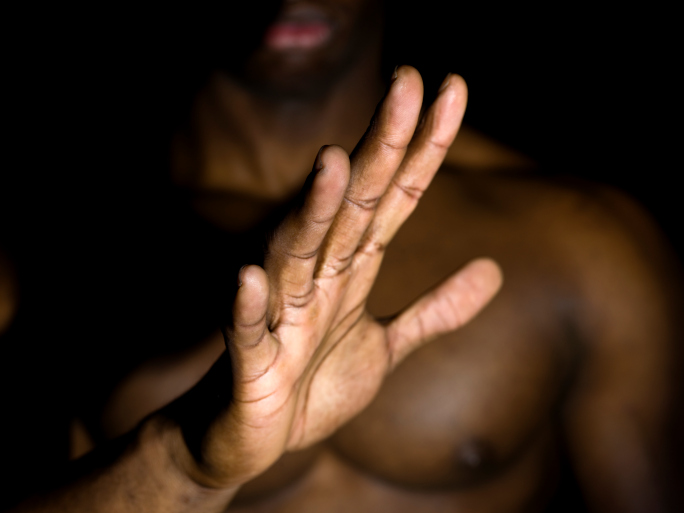
Dark-skinned people produce more melanin — the pigment that gives skin its color — than Caucasians. Melanin helps block damaging ultraviolet rays from the sun and from artificial light sources such as tanning beds, giving people of color greater protection against skin cancer than whites. But they still are susceptible.
That’s what Betty Jordan, a retired Metro computer network engineer, along with many other African Americans, thought. So she was shocked five years ago to learn that the quarter-size dark spot on her left foot was acral lentiginous melanoma (ALM), an aggressive cancer that disproportionately afflicts African Americans and other dark-skinned people. “I never paid any attention to it until a friend urged me to see a doctor,’’ she says. “The area was hard to see, and it never occurred to me to get serious about it.’’
Fortunately, it was caught early and removed. The prognosis is excellent for Jordan.
Uh-Oh! Surgeon General Warns Blacks Need Sunscreen
But this is not typically the case for dark-skinned people who develop ALM or other skin cancers. Because they often assume they are not at risk, their cancers tend to be diagnosed at a more advanced stage, and patients often face a bleaker outcome.
“It’s true that the vast majority of melanomas occur in fair-skinned people, but it’s important to know that dark-skinned people can get skin cancer, too,’’ says Maral Skelsey, a surgeon and skin cancer specialist who heads the Georgetown University Medical Center’s dermatologic surgery center. “They often are dismissed by their general physicians in terms of risk. I hear it so often: ‘No one told me I could get skin cancer.’ ’’
Melanoma rates among all Americans have been increasing for the past 30 years, probably due to failure to take sufficient protective measures against ultraviolet ray exposure and to increasing use of tanning booths. Melanoma accounts for fewer than 2 percent of skin cancer cases, but it kills more frequently than the others. In 2014, an estimated 76,100 new cases of melanoma will be diagnosed, with about 9,710 deaths, according to the American Cancer Society.
Check Your State: Top 10 States With Cancer
To be clear, melanoma is many times more common in whites (1 in 50) than in African Americans (1 in 1,000) or Hispanics (1 in 200). But the danger for affected people of color is greater: The five-year survival rate for African Americans is 73 percent, compared with 91 percent for Caucasians, according to the American Academy of Dermatology.
That difference is probably due to later diagnosis and treatment: The initial melanoma diagnosis is not made until the disease is at an advanced stage for an estimated 52 percent of non-Hispanic blacks and 26 percent of Hispanics, compared with 6 percent of non-Hispanic white patients, according to the Skin Cancer Foundation, a public education and research organization.
ALM, while rare overall, primarily strikes people of color — African Americans, Asians, Pacific Islanders and Hispanics — and it can be lethal. The disease is most often found on the palms, nail beds and soles of the feet. These are areas of the body that have less pigment and receive less exposure to the sun; they also are locations people are most likely to ignore. Reggae musician Bob Marley died in 1981 at age 36 from ALM, initially thought to have been a soccer bruise under his toenail.


By subscribing, you consent to receive emails from BlackDoctor.com. You may unsubscribe at any time. Privacy Policy & Terms of Service.