A glimmer of hope emerged for patients with sarcoma in a recent clinical trial. Researchers funded by Stand Up To Cancer (SU2C) achieved a breakthrough in treating two common types of soft tissue sarcoma, reducing the risk of relapse by 43 percent at two years. This immunotherapy treatment could significantly impact future clinical practices.
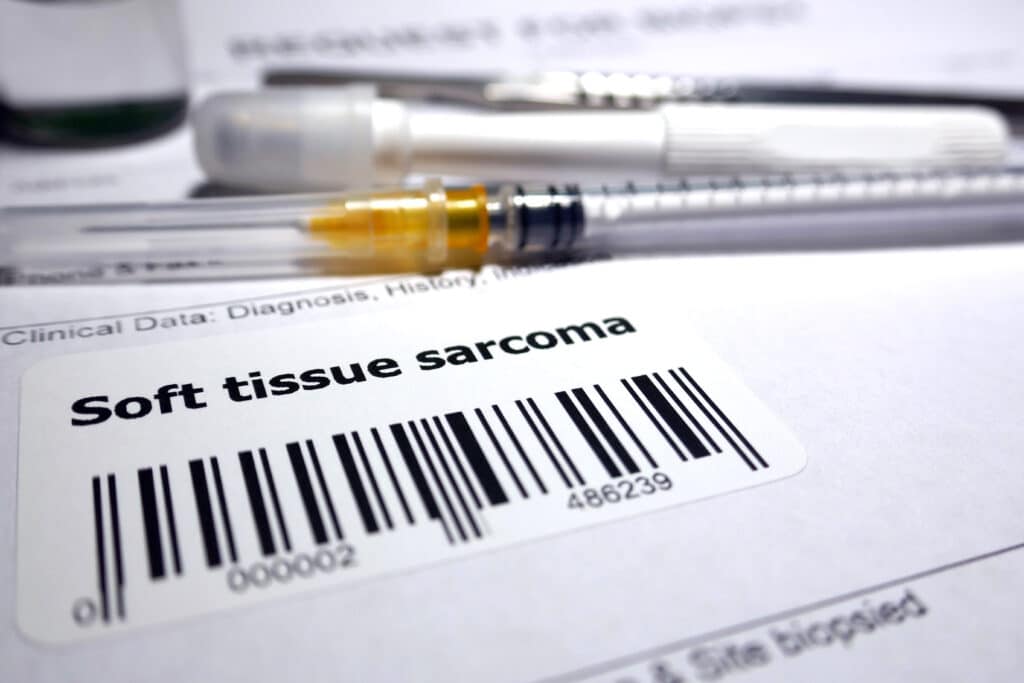
Soft tissue sarcomas are cancers that attack muscles, fat, and connective tissues. Affecting roughly 15,000 Americans annually, they’re considered rare cancers. This rarity presented a challenge—enrolling enough patients for a conclusive trial. However, the trial persevered for six years, overcoming pandemic disruptions.
The trial compared two groups: one received standard radiation and surgery, while the other received immunotherapy drug pembrolizumab alongside the standard treatment. The pembrolizumab group saw a significant reduction in relapse risk, offering a potential new weapon against this cancer.
This breakthrough is particularly significant because advancements in sarcoma treatment have been stagnant for over 25 years. “This study will change that,” says Dr. David Kirsch, the lead researcher for the trial. It addresses a critical unmet need for these patients.
Sarcoma is a rare cancer of the body’s soft tissues, such as muscles, fat, nerves, blood vessels, and deep skin tissues. Unlike more common carcinomas that start in the skin or organ linings, sarcomas develop within the body’s connective tissues. While these cancers can arise anywhere, they most frequently occur in the arms and legs, followed by the abdomen and retroperitoneum (the space behind the abdomen).
Although considered uncommon, sarcoma presents a significant challenge. Diagnosis can be delayed due to the non-specific nature of early symptoms, which can include lumps, pain, swelling, or restricted movement in the affected area. There are over 150 subtypes of sarcoma, each with varying characteristics and treatment approaches. This complexity further underscores the importance of timely and accurate diagnosis.
Unfortunately, research suggests that Black Americans may face a higher burden from sarcomas compared to other racial groups. Studies have shown a trend towards higher incidence rates of soft tissue sarcomas in Black populations. While the reasons behind this disparity are not fully understood, it highlights the need for further investigation and targeted outreach programs to raise awareness within Black communities.
Beyond a potentially higher incidence, several studies indicate that Black patients with sarcoma may experience poorer outcomes. A study shared in Orthopedics Today found that Black patients with sarcomas in the extremities were more likely to present with larger tumors at diagnosis and undergo amputations compared to white patients. This could be due to factors like socioeconomic disparities that limit access to quality healthcare and earlier detection. Additionally, Black patients have been shown to have lower participation rates in clinical trials, which can hinder access to potentially life-saving treatment advancements.
Clinical trials play a crucial role in advancing cancer treatments. These studies evaluate the safety and efficacy of new drugs, surgical techniques, or radiation therapies. Participation in clinical trials allows patients to access cutting-edge treatments before they become widely available. In the case of sarcomas, with their relative rarity and diverse subtypes, clinical trials are even more critical for developing new treatment options.
However, significant racial and ethnic disparities exist in clinical trial participation. Black Americans are historically underrepresented in these studies, which can limit the generalizability of trial results and potentially lead to treatment gaps for this population. There are various reasons for this disparity, including lack of trust in the medical system, limited awareness of clinical trials, and logistical challenges like transportation or childcare issues.
To address these disparities and ensure Black Americans have equitable access to potential breakthroughs in sarcoma treatment, several initiatives are underway. Culturally sensitive outreach programs that educate Black communities about sarcomas and the importance of clinical trials are crucial. Additionally, fostering trust in the medical community through better communication and addressing historical injustices within the healthcare system is essential.
To learn more about clinical trials for Black folks, discover our Clinical Trials Resource Center.


By subscribing, you consent to receive emails from BlackDoctor.com. You may unsubscribe at any time. Privacy Policy & Terms of Service.