Psoriasis plaques can develop on any part of the body, but if you are one of more than three percent of Americans, you may develop it on your scalp. If left untreated, the condition, which causes dandruff-like symptoms, can lead to hair thinning and hair loss. This can be a challenge for many women, who value their hair. Fortunately, there are ways to care for your hair whether you are doing it at home or heading to the hair salon.
Over-the-counter and prescription shampoos with coal tar or salicylic acid, lotions, topical treatments like steroids, biologic drugs and light therapy are all great treatments for scalp psoriasis. However, even with proper management and use of these treatments, brushing and styling your hair without aggravating your scalp can be challenging, Marisa Garshick, MD, FAAD, an assistant clinical professor of dermatology at Weill Cornell Medical Center and a dermatologist at MDCS Dermatology in New York City tells Everyday Health.
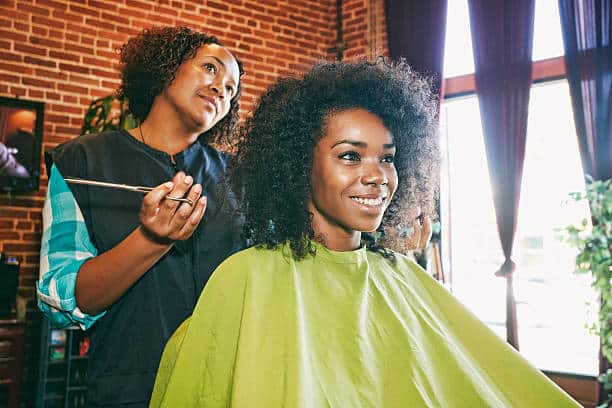
Because of this, many people turn to hairstylists for a solution. Hairstylists can be a great resource, but it is important that he or she is aware of your scalp psoriasis and knows how to treat it.
“If your stylist has a look at your scalp and says something like, ‘We’re going to get your hair nice and clean,’ take that as a red alert,” Ghanima Abdullah, a hair expert and cosmetologist at therighthairstyles.com tells Everyday Health. “[That person] is probably about to pile shampoo in your hair and scrub your scalp for all it’s worth… That’s a ticket to major irritation.”
A hairstylist that is familiar with scalp psoriasis is your best bet.
“Hairstylists who are not familiar with scalp psoriasis and similar scalp conditions may stigmatize it and may offend the client by giving wrong advice,” says Monica Davis, a hairstylist in Dallas and editor-in-chief of My Straightener.
However, whether the hairstylist you choose is a scalp psoriasis expert or not, it is possible to find the perfect hair salon that can safely pull off the hairstyle you desire. So how do you do it? Here’s how:
RELATED: Q&A: How Do I Get Rid Of Scalp Psoriasis?
Know someone who has scalp psoriasis? This is your opportunity to ask them if they can offer any recommendations or provide any tips on how they style their own hair. If you don’t know anyone living with the condition, try a quick Google search for local salons in your area. You can also visit the National Psoriasis Foundation and contact your regional community development manager.
Finding the right salon may take some time and research because you don’t want anyone touching your hair, especially if you have scalp psoriasis. One good way to do this is by calling the salon ahead of time before you come in. This will allow you to gain some insight into whether or not the salon is a good fit for you.
Things you should be on the lookout for when doing an initial call with the salon include:
“Be sure they know they can use all of the [hair salon] instruments that they would on someone else,” Garshick notes, “but also check that they are comfortable with this idea of not trying to pick off any of those scales and not trying to physically or manually exfoliate.”
RELATED: 5 Ways To Detox Your Scalp For Healthier Hair
With the tips above, you’ll be able to find the perfect hairstylist that suits your scalp psoriasis needs, but the work doesn’t stop there. There are also a few additional steps you can take in preparation for your appointment.
It’s a good idea to talk to your dermatologist before your appointment. He or she can provide insight into how to protect your scalp from trauma, hairstyles to avoid and tools to avoid (i.e. harsh brushes). You can then take this information back to your stylist and work with them on the best way to wash and style your hair.
Using prescribed shampoos to wash your hair the day before your visit reduces the number of visible plaques flaking on your scalp, which makes your skin less reactive.
Don’t assume what products a salon offers. Salon products tend to be a bit stronger, so it’s a good idea to check what the salon offers ahead of time. If they don’t offer the type of products you need, ask if you can bring your own.
Because dyes can irritate the scalp, it’s best to stick to your natural hair color. If you do opt to color your hair, you should “Be mindful that the scalp is more sensitive,” Garshick says. “Also, be aware that some of the shampoos used for scalp psoriasis can make hair color dye go away faster. So have an open line of communication to help your hairstylist to make the best decisions for you.”
Working with your stylist to create a style that you are comfortable with is essential. Don’t be scared to speak up about what you need, how you want your hair to look, what areas of your scalp you tend to have plaques on, etc. Your stylist should make you feel comfortable and give you the hairstyle you deserve. If at any point, you don’t feel comfortable or like your hairstylist is taking your feelings into consideration, you can end the appointment.


By subscribing, you consent to receive emails from BlackDoctor.com. You may unsubscribe at any time. Privacy Policy & Terms of Service.