Giving birth is perhaps life’s greatest gift, but what happens when things go astray?
What happens when complications and challenges threaten the health – if not the lives – of both mother and baby?
Serena Williams, one of the greatest tennis athletes of all time, knows what it’s like to face challenges. After nearly four years removed from the sport, she recently made her momentous return.
Her appearance at Wimbledon not only represented record ratings for ESPN and her new approach to ‘playing without pressure,’ but also signaled a rare quality that makes her special.
Resilience. As hard as she’s battled on the courts, her most difficult battle of all might have been the one that threatened her life. Many people may not know, but Serena has been very candid about her postpartum challenges. Following an emergency C-section in 2017 with her daughter Olympia, Williams nearly died, facing a life-threatening pulmonary embolism just a day after the procedure.
However, given Williams’ history of blood clots, the tennis superstar was able to quickly recognize symptoms like shortness of breath, prompting her request for a CT scan despite initial dismissal. And although complications ensued, including multiple follow-up surgeries, Williams proved once again that she can rise against all odds.
Of course, Serena’s experience isn’t merely about her. What it does is highlight many of the risks Black mothers face at higher rates, including cardiovascular complications and disparities in care. In fact, the CDC notes that during the period of 2007–2016, 41 Black women died for every 100,000 live births, compared to 30 American Indian/Alaska Native women and 13 white women.
Cardiovascular complications were one of the leading causes of pregnancy-related deaths, with pulmonary embolism contributing to a significantly higher percentage of pregnancy-related deaths among Black women than among their white counterparts.
But Serena wasn’t another statistic.
Nor did she suffer insurmountable health issues that prevented her return to the sport she loves. Instead, Serena listened to her body, worked with her doctors, and slowly but surely regained her strength, her fitness, and her drive to be at the top of the tennis world, one day at a time.
Drawing from her strength and resilience, let’s discuss the top evidence-based guidance that mothers everywhere can heed.
RELATED: Black History of Health: Serena Williams
Research indicates that exercising shortly after childbirth can support both physical and mental recovery, but the timing and progression are key.
It’s best to break it into phases for safety’s sake. So, consider the following:
Initial phase (0-6 weeks) – To begin, stick to gentle mobility and breathing. You can also incorporate pelvic floor exercises (Kegels) soon after catheter removal if comfortable. Walking is also encouraged early for circulation and healing; just make sure you avoid heavy lifting or core strain until medically cleared.
Clearance and progression (6-8+ weeks) – Typically, new mothers will receive formal medical clearance around 6-8 weeks after giving birth. At this point, it is usually safe to start with low-impact activities like swimming, Pilates, yoga, or even gentle jogging once you’re pain-free. Slowly but surely, assuming no complications, you can ramp up intensity.
**When there’s a C-section** – This recovery process is a little different, requiring that you wait for the incisions to heal first. Most high-impact activities, like running and heavy weights, are often delayed until 12+ weeks. Individualized plans with resistance training 2 days/week may also be tailored to your specific case, with built-in limitations.
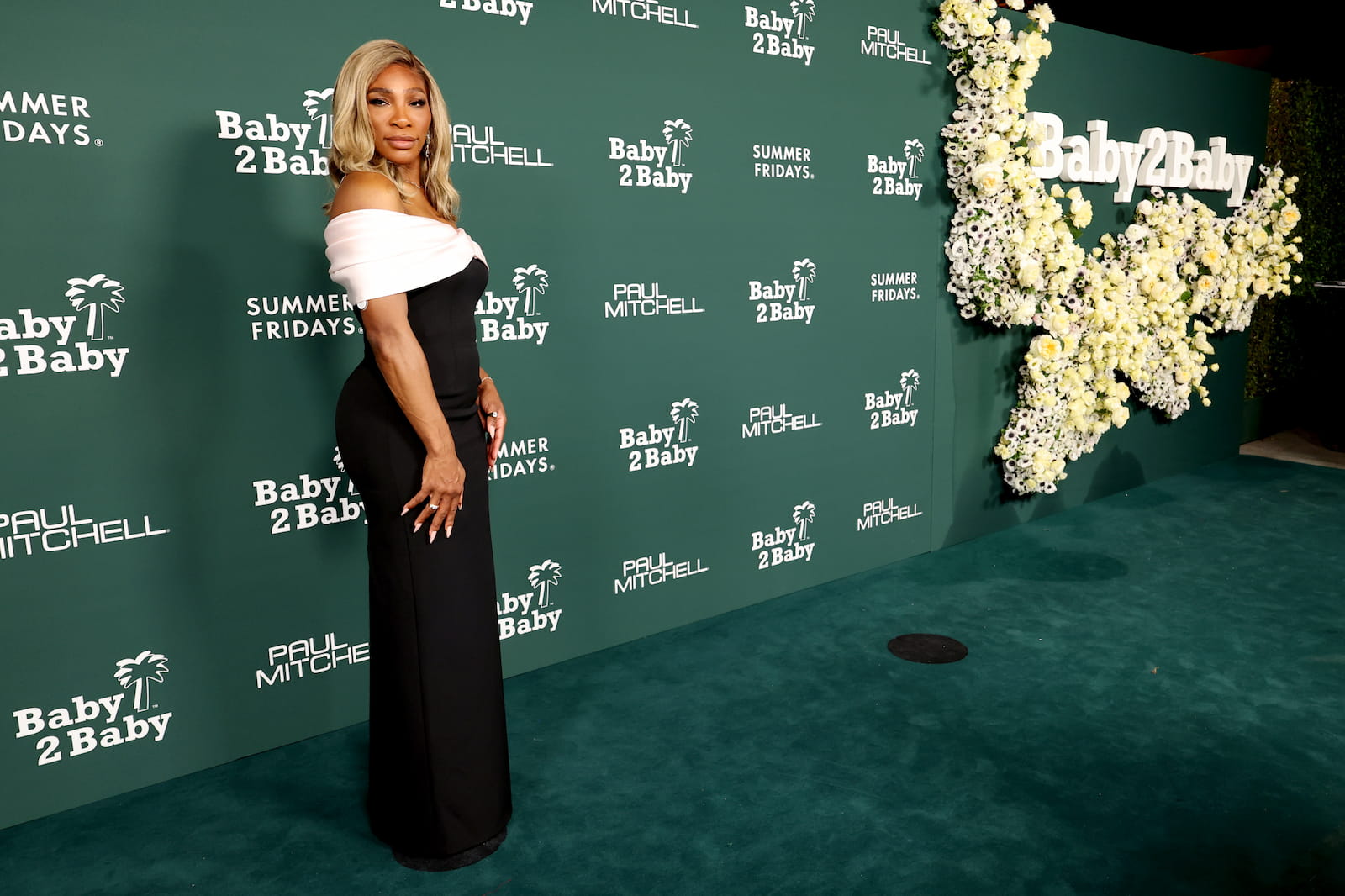
This is critical to remember. It all depends on your unique situation and your consultations with your healthcare team. In Serena Williams’ case, the buildup was gradual, balancing motherhood, training, and an appreciation of the physical challenges her pregnancy entailed.
Again, it’s important to have a realistic timeline and realize that recovery is not linear. A full return to pre-pregnancy fitness can take 6-12+ months, varying by delivery type, complications, and support.
By and large, it’s a good idea for Black mothers in particular to seek providers attentive to their unique postpartum risks, including conditions such as hypertension and clotting.
RELATED: Serena Williams: “Being Heard Was The Difference Between Life or Death For Me”
It is well-established that pregnancy can significantly stretch the abdominal wall and pelvic floor, affecting your pelvic floor muscles, which are the group of muscles at the bottom of your pelvis that help control urination and bowel movements. This can lead to conditions like diastasis recti abdominis (DRA), or the separation of the rectus abdominis muscles, the “six-pack” muscles that run vertically down the front of your abdomen.
In most cases, the prevalence peaks at ~60 percent at six weeks postpartum, then declines to around 33 percent at 12 months.
For many women, the occurrence of DRA means a bulging belly, lower back pain, and weakness. Fortunately, there are ways to address this:
This means avoiding midline doming and exhaling on effort for breath control. Just make sure to avoid traditional crunches, sit-ups, or planks early on if they cause any bulging.
And the good news is that finding such a therapist doesn’t have to be hard.
You can locate a pelvic health physical therapist near you by ZIP code, city, specialty, certification, and various other characteristics. Simply hone your search with the APTA Pelvic Health PT Locator.
While they are not a standalone fix, they may provide gentle compression in certain cases, especially C-sections.
Of course, diastasis recti abdominis (DRA) is but one of the issues women face postpartum. Pelvic floor disorders (PFDs) can also occur, leading to incontinence, prolapse, and pain. They are not rare, so it’s important that mothers and their healthcare teams remain proactive in addressing them.
Here are some ways to address PFDs:
The goal is usually whole-body movement, and some research suggests these exercises may reduce the risk of both urinary incontinence and pelvic organ prolapse.
It’s important to recognize that postpartum recovery is not a race. Patience is a virtue, and in this case, being patient can mean the difference between unnecessarily stressing or injuring the body and recovering more quickly and fully.
Some studies indicate that although certain women retain some DRA or weakness at 12 months, function does improve with consistent, safe training.
Although Serena clearly regained elite-level tennis fitness after her pregnancy difficulties, it wasn’t an easy or rapid process. Also, acknowledging your fears, insecurities, and setbacks? That does not make you weak.
As tough as Serena Williams is, she herself spoke of fear and doubt during her crisis. More importantly, her struggles and eventual return to the sport she loves model the most critical aspect of all: listening to and advocating for your body.
With gradual safe movements, targeted management of challenges, and appreciation for the process, you can improve how you feel, move, and look with time. Again, it takes time, it takes resilience, and it requires that you honor your path.
Creating life and giving birth was the hard part! You’ve already accomplished something remarkable, and life can become even more remarkable from here.


By subscribing, you consent to receive emails from BlackDoctor.com. You may unsubscribe at any time. Privacy Policy & Terms of Service.