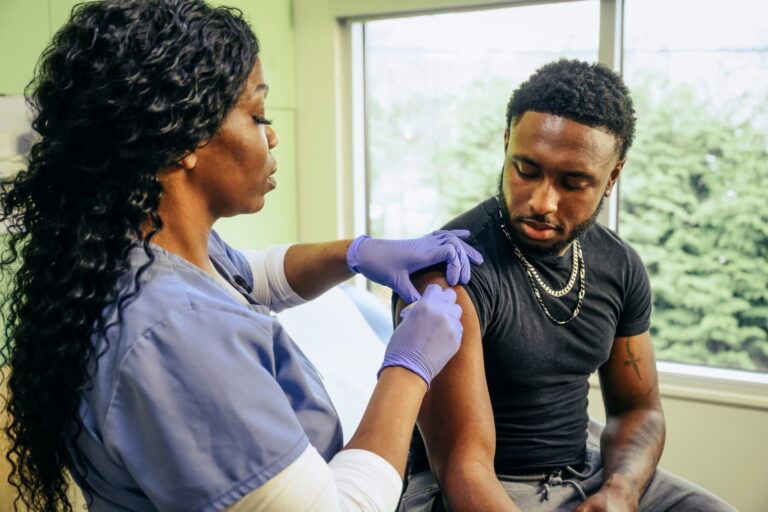
When we think ‘Shaq,’ we think larger than life.
Towering over seven feet and once arguably the most dominant player on the basketball floor, Shaquille O’Neal has been open about his struggles post-NBA.
That is to say, weight struggles post-career, and like many retired athletes, maintaining a healthy physique has become quite the real battle. So what has the big man done? What has he learned? What has he changed in his life to make things more manageable?
One aspect of his journey, disclosed this year, is the use of Zepbound. But what many people may not realize is that the medication – a dual GLP-1/GIP receptor agonist – was primarily used to address moderate obstructive sleep apnea (OSA), a condition Shaq has lived with for years. He paired it with lifestyle changes like better eating, staying active, and walking, and the weight began to drop.
This isn’t just celebrity news. For large Black men–especially former competitive athletes–Shaq’s transparency highlights many of the unique challenges and realistic paths going forward. Given that obesity rates among non-Hispanic Black adults hover just below 50%, higher than in non-Hispanic White adults, addressing this issue is paramount.
Unfortunately, systemic factors like limited access to high-quality food and unequal access to affordable and culturally sensitive healthcare continue to drive these disparities.
So, when it comes to addressing differences in obesity rates, it all starts with understanding distinct struggles like these.
If you or someone you know has a large frame, with excess weight on joints taxed by years on the court or field, this article can help.
RELATED: GLP-1 Medications: A Comprehensive Overview
Overall, higher rates of obesity in large Black men are also associated with higher rates of related conditions, including hypertension, type 2 diabetes, and cardiovascular issues. According to authoritative data, Black adults are 28 percent more likely to have obesity than the U.S. average, which can additionally come with impacts on joint health.
One of the most pressing of these joint concerns is knee and hip osteoarthritis (OA). Merely consider the impact over time. Every extra pound of body weight adds four to six pounds of pressure on knee joints, and in some cases, individuals with obesity may be up to 20 times more likely to require knee replacement.
When it comes to former elite athletes, including those in basketball, a higher OA prevalence can stem from a variety of physiological stressors, such as prior injuries, repetitive impact, and post-retirement weight gain.
It should also be noted that retired athletes may experience significant weight gain after their careers. In fact, one study of retired elite athletes and age-matched non-athletes found a mean weight gain of 18.55 kg among retired athletes, compared to just 4.3 kg among non-athletes.
However, given that participants were measured only once as part of the study’s descriptive case-control design and the study had a small sample size, the findings may not generalize well.
That said, they underscore the need for further research in this domain. For big men, societal expectations to maintain a powerful physique can clash with the reality of a slower metabolism and joint limitations. When this happens, it may lead to body image frustration, yo-yo dieting, or avoidance of self-care.
And, just like what the seemingly unstoppable Shaq experienced, related issues such as sleep apnea may worsen.
For Shaq, it wasn’t about a quick overnight change.
Instead, the famous former NBA star emphasized lifestyle alongside medication. That meant eating better, staying active, and walking. Earlier, before starting medication, Shaq reported losing 55 pounds through lifestyle changes alone.
With the addition of GLP-1 medications such as semaglutide and tirzepatide, Shaq was able to further complement his natural efforts. The best news? Research has indicated comparable effectiveness for these drugs, regardless of race, age, and starting weight, with women losing slightly more than men on average.
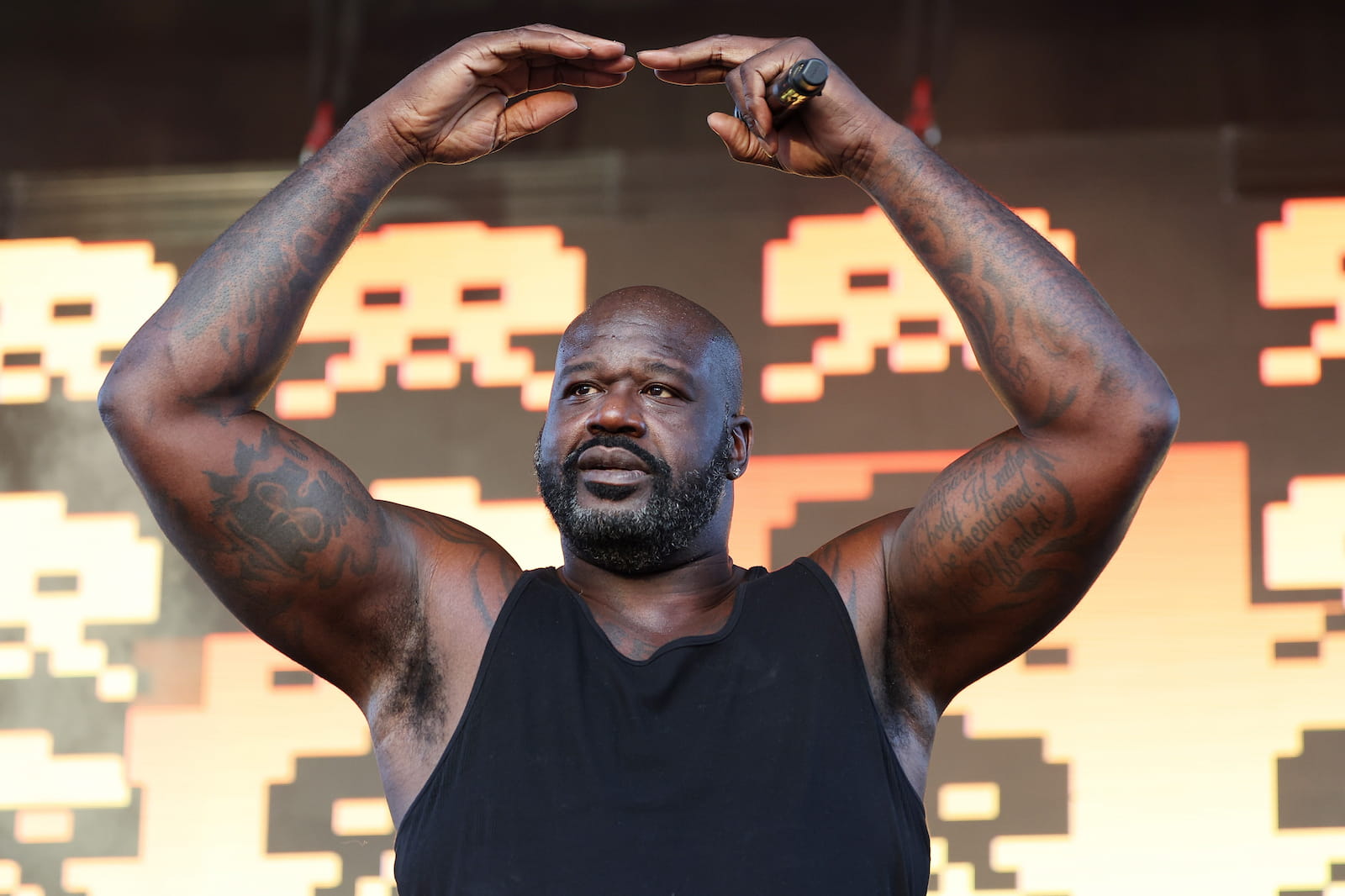
Clinical trials have also shown similar results, with participants receiving semaglutide experiencing reductions in HbA1c and body weight consistently across racial subgroups.
Why is HbA1c so crucial?
According to the American Diabetes Association (ADA), HbA1c is one of the primary tools for assessing glycemic status, or blood sugar control. While the numbers may seem confusing at first glance, they actually reflect something very important – one’s average blood glucose over approximately two to three months.
Abnormal levels or fluctuations in this number are often linked to diabetes complications, and semaglutide may help.
However, a word of caution is in order. These drugs are tools, not magic. Weight loss from them can include 20-40 percent lean mass, which can become problematic if the individual does not also consume adequate protein and strength-train accordingly.
In other words, these drugs are not a cure-all, and implementing the proper lifestyle adjustments is key to any larger weight and body maintenance program.
RELATED: 6 Reasons to Talk to Your Doctor About GLP-1
For large men with joint wear, adopting a low-impact, strength-focused movement regimen can make a significant difference. In other words, consistency over the high-intensity, high-impact pounding that defined many professional sports careers.
If you or someone you know wants to make the change, consider your options. Low-impact cardio is a great starting place, featuring everything from walking to cycling (stationary or recumbent), swimming, and elliptical training. According to some research, these options may reduce pain and improve function in knee OA better than other modalities.
As previously noted, strength training is also important, especially for people on GLP-1s. Useful exercises include quadriceps exercises for knees and glutes, and core activities for the hips and back. Some of the best to try are seated leg extensions, hip bridges, resistance-band work, and bodyweight squats, all of which can be learned for free from numerous YouTube fitness videos.
A Fitness Arthritis and Seniors Trial (FAST) indicated that both consistent aerobic activity and resistance training can improve pain, disability, and performance similarly when engaged separately over an 18-month structured period.
Beyond that, flexibility and mobility are also instrumental. It doesn’t have to be crazy. Just routine gentle stretching and range-of-motion work can reduce stiffness.
But again, it has to be consistent. Many times, people fall out of routines for a variety of reasons – work, family, stress, a lack of motivation, etc.
One way to keep at it in the long run is to prioritize nutrition by supporting muscle with 1.2-2.0 g of protein per kg of body weight daily, spread across multiple meals. Take, for example, a joint advisory from the American College of Lifestyle Medicine, the American Society for Nutrition, the Obesity Medicine Association, and The Obesity Society. These expert bodies recommend obtaining adequate protein from specific sources, such as fish, eggs, Greek yogurt, cottage cheese, nuts, seeds, beans, peas, lentils, whole grains, dairy, seafood, and lean poultry.
However, protein is but one part of the equation.
Leading organizations also recommend other nutrient-dense food groups. Fiber is especially important, particularly for people experiencing constipation on GLP-1s. In this case, eating colorful vegetables and fruits, as well as legumes, should be a daily focus. Sufficient dietary fiber intake typically ranges from≥25 g/day for women, ≥30 g/day for men, to≥35 g/day for people with diabetes.
Paired with regular electrolyte-rich hydration (~1.5 – 2.5 L/day), these nutrition habits can significantly support you as you progress on your journey toward a healthier weight and metabolism.
Then there is the issue of preserving bone density through a combination of the aforementioned resistance and cardio. Additionally, regular check-ups for comorbidities, such as OSA, high blood pressure, diabetes, and other joint conditions, especially when using GLP-1s, can help.
So, get in the game!
Even if you’re no longer competing at the highest level, you can still learn from people like Shaq. Building a community with former athletes is one way to do this. This can help you gain social support, pursue different hobbies, or join exercise groups tailored to your needs.
At the end of the day, Shaq’s journey shows us it’s possible. Through consistent movement, mindset shifts, and medical help when needed, large men (and small men) can get on a clear path to weight-loss maintenance.
Small steps today may just be a giant leap for the future.



By subscribing, you consent to receive emails from BlackDoctor.com. You may unsubscribe at any time. Privacy Policy & Terms of Service.
Enter your name and email to receive the download link.