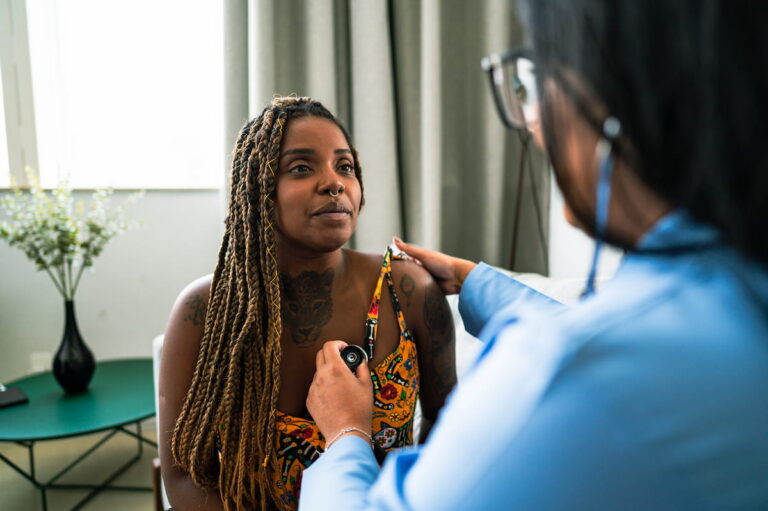
Dementia affects more than 55 million people worldwide, and that number is expected to rise to 139 million by 2050. While there’s no cure yet, doctors recommend strategies like controlling blood pressure, limiting alcohol consumption, and staying physically active to reduce your risk. These steps can make a real difference, but they aren’t the whole story.
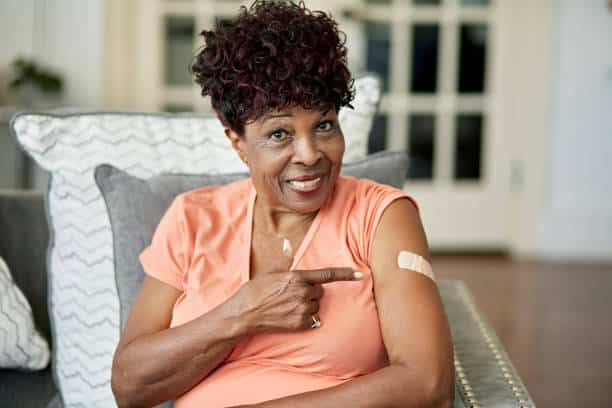
New research suggests that there may be another way to lower your risk. A recent study found that getting the shingles vaccine may also help protect against dementia. For Black people—who already face higher rates of dementia—this discovery offers more than just hope. It’s a reminder that prevention is powerful, and participation in research and vaccination could be key to protecting your health and memory.
In a study published in Nature Medicine, researchers analyzed the health records of more than 200,000 older adults. They compared people who received the newer shingles vaccine (Shingrix) with those who got the older live vaccine (Zostavax), which is no longer used in the United States.
The results were notable: both vaccines were associated with a lower risk of dementia six years later, but the effect was even more substantial for those who received the newer vaccine.
That means a vaccine designed to prevent a painful rash may also help protect your memory. And here’s an important point: this wasn’t an experimental study where people were “tested on.” Instead, scientists examined real-world health records to understand the long-term effects of vaccines people were already receiving.
When it comes to research like this, who gets studied matters, and Black communities aren’t represented. Healthcare providers and scientists may miss important differences in how diseases like dementia affect us, or how well prevention strategies work.
That’s especially critical because Black adults are almost twice as likely to develop dementia as white adults. Yet we’re often left out of large studies, which means the results may not reflect lived reality.
However, there are several reasons why many Black people are hesitant to participate in clinical trials. Stories like the Tuskegee Syphilis Study and Henrietta Lacks leave lasting scars. However, today’s research has safeguards in place, and many studies are led by individuals who recognize the importance of diversity. Participation isn’t about being a “test subject.” It’s about ensuring that our voices, bodies, and experiences are valued, so that the science is stronger and the solutions are more relevant to the Black community.

Individual actions—such as participating in a study, sharing health information, or staying up to date on vaccines—add up to stronger health outcomes across the board. Every participation helps researchers better understand disease risks, treatment responses, and ways to prevent diseases like dementia.
For Black patients, this has a real impact. Dementia already brings heavy challenges, from the emotional strain of caregiving to the financial costs of long-term support. If the shingles vaccine can reduce risk, broader participation could mean fewer diagnoses and healthier aging.
Greater inclusion in research also helps close long-standing health gaps. When studies reflect diverse populations, doctors and scientists are more likely to develop prevention strategies that work for everyone. Participation isn’t just about personal benefit—it creates knowledge that can shape better care for families and communities in the years ahead.
Here’s what you can do to protect your brain health:
Even small steps like asking a question at your next doctor’s visit can help build better health outcomes now and for future generations.
The shingles vaccine may offer more than protection against a painful rash—it could also help reduce the risk of dementia later in life. Staying up to date on recommended vaccines, participating in research, and sharing information with others are all steps that contribute to stronger health outcomes.
For Black patients, participating in research and prevention efforts is especially crucial. Participation ensures that findings reflect the community, helps close gaps in healthcare, and provides data that can improve treatment and prevention strategies for everyone.
Taking action now—whether it’s getting vaccinated, asking questions at a doctor’s visit, or learning about clinical trials—can make a difference for both individual and community health. Protecting your health today is an investment in your memory and well-being for years to come.

By subscribing, you consent to receive emails from BlackDoctor.com. You may unsubscribe at any time. Privacy Policy & Terms of Service.