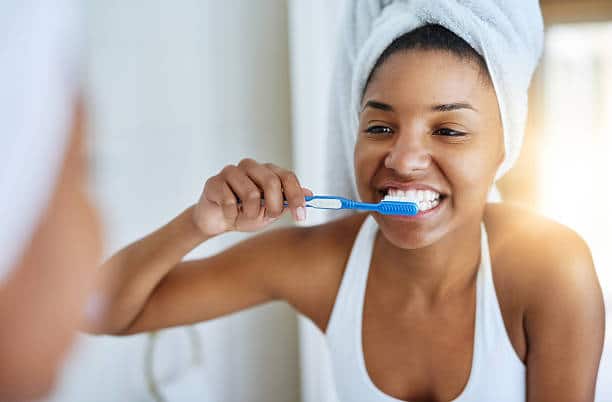
After years of brushing your teeth, rinsing after brushing has likely become second nature to you. After all, who doesn’t want to get rid of the overly minty taste in their mouth? However, dentists now say that might not be the best thing to do. They’re suggesting that you leave the toothpaste residue for at least a little while. Here’s what you need to know.
The important thing you need to remember is that toothpaste contains fluoride because it’s essential to keeping your teeth strong and healthy. While fluoride can also be found in certain foods and is usually added to your residential water sources, it’s most effective when applied directly to your teeth. That’s why dentists want you to keep toothpaste on your teeth a little longer.
With that said, they’re not telling you not to rinse at all. Ingesting excess amounts of fluoride comes with its own level of risk so what they’re really asking you to do is wait. You can spit out the excess toothpaste and go about your day for at least 10 minutes before eating or drinking anything. Doing this can be very beneficial to those who are prone to tooth decay, dry mouth, and gum disease. The additional fluoride also offers a good level of antibacterial protection for people who wear braces, have crowns and bridges, or use removable partial dentures.
You’ll likely reap the benefits of leaving the toothpaste alone for even longer, though. For example, when people undergo professional fluoride treatments, they’re usually asked to refrain from rinsing, eating, or drinking for a minimum of 30 minutes. Those treatments generally use even higher concentrations of fluoride than what you find in your toothpaste so you’re unlikely to have any detrimental effects from not rinsing for that long, too.
Where children are concerned, dentists generally recommend only using fluoride toothpaste with those who are three and above. Some even widen the age to six, just to be safe. At that age, however, they don’t suggest leaving the toothpaste in. In their case, you should rinse immediately after brushing. The best way to maintain your child’s dental health is through regular dental visits and with guidance from their dentist.
RELATED: Brushing & Flossing 101: Essential Techniques For Effective Oral Care
Of course, you may be wondering what to do if you usually floss, use mouthwash, or both after brushing your teeth. The mouthwash would rinse away the toothpaste anyway and flossing while there’s still toothpaste in your mouth might not be comfortable. Additionally, dentists often recommend that you rinse directly after flossing so you can get rid of the bacteria and plaque you loosen. Fortunately, there are ways around those things, too.
If you need to floss, it’s a good idea to do it before brushing instead of after. Studies show that there are no negative effects to switching the two around and those who brushed after flossing usually had a higher level of residual fluorine afterward.
When it comes to mouthwash, the advice is not as simple. For one, it depends on the type of mouthwash you use. Though some types of mouthwash contain fluoride and other ingredients that are meant to strengthen your teeth’s enamel, others don’t contain the extra frills. Additionally, most types of mouthwash are alcohol-based.
According to dentists, using mouthwash that doesn’t contain fluoride may not only remove the helpful layer of toothpaste from your teeth, but can also remove fluoride from your teeth’s enamel. However, if you use the kind of mouthwash that contains additional helpful ingredients, you may be able to maintain the right level of fluoride to strengthen your teeth. Since no official studies have been done to investigate how different kinds of mouthwash can affect the fluoride in your teeth, it’s a good idea to talk to your dentist for specific instructions.
It’s worth noting, though, that some dentists don’t think you need mouthwash as an extra level of protection for your teeth if you’re practicing proper dental care overall. However, if you’re interested in mouthwash for freshening your breath, then it’s best to wait for 10-20 minutes before rinsing with mouthwash.
Again, the advice for fluoride mouthwash is directed at adults. Dentists don’t recommend that children under the age of six use fluoride mouthwash unless they’ve been advised to do so by their dentist or healthcare provider. In that situation, the medical practitioner will give you detailed instructions about how to keep your child from swallowing the mouthwash.
RELATED: Is Your Toothpaste Making You Sick? 5 Ingredients to Avoid
As mentioned previously, there may be a few side effects of keeping fluoride in your mouth – whether or not you ingest it. Fluoride can cause nausea, diarrhea, and abdominal pain if you ingest it. However, that usually happens when you use more than a pea-sized amount as an adult or if a child consumes the amount that’s meant for an adult.
You also run the risk of developing fluorosis if there is too much fluoride on your teeth. In fluorosis, the build-up causes discoloration on your teeth that can range from light white to dark brown. It’s more likely to happen when teeth are growing so you might see it in children more than adults. You can’t brush fluorosis away so a dentist has to use special chemicals to remove the discoloration.
If you notice any side effects, you should rinse immediately and talk to your dentist about your symptoms.
While you may be used to rinsing directly after brushing your teeth, dentists say that there are a few benefits to letting the toothpaste sit for 10-20 minutes. If you use mouthwash and floss after brushing, then you can modify your dental care routine to accommodate those as well. Since there can be side effects to keeping fluoride around, you should try it for the minimum amount of time and let your dentist know if it affects you. Where children are concerned, it’s best to be guided by their dentist so you’re doing what’s best for them.


By subscribing, you consent to receive emails from BlackDoctor.com. You may unsubscribe at any time. Privacy Policy & Terms of Service.