Menu

Should You Use Antibiotic Creams on Your Skin?

Table of Contents
antibiotics

As winter winds leave your skin dry, cracked and prone to cuts and bleeding, a skin expert says you should resist the urge to use antibiotic creams or ointments.

While it might seem sensible to use antibiotic topicals to combat germs and prevent infection with cuts, they can irritate your skin even more and cause a painful and/or itchy rash called contact dermatitis, dermatologist Dr. Marcelyn Coley warns.

“In addition to causing irritation and a rash, the widespread use of antibiotics — including in instances when they aren’t needed — has contributed to a major public health challenge known as antibiotic resistance,” Coley said in an American Academy of Dermatology news release.

Featured on BlackDoctor

What is antibiotic resistance?

Antibiotic resistance occurs when germs, such as bacteria, develop the ability to survive the drugs designed to kill them,” she explains. “That means the germs continue to grow. This makes infections caused by antibiotic-resistant germs difficult — and sometimes impossible — to treat.”

RELATED: 3 Ways You’re Misusing Antibiotics – Without Even Knowing It

When are antibiotics needed?

Most minor cuts and wounds, and even surgical wounds, do not require antibiotics, Coley shares.

The only time antibiotics are typically needed is when there is an infection. Signs of infection include:

  • Pus
  • Pain
  • Yellow crusts
  • Red or purple skin
  • Reddish streaks
  • Swelling or warmth
  • Feeling very hot or cold
  • Fever

What are the alternatives to antibiotics?

If your wound doesn’t have any signs of an infection, skip the antibiotics and take the following steps instead, Coley advises:

  • Keep your skin injury clean. Wash your hands before touching the wound, and gently wash the wound daily with mild soap and water to keep out germs. As long as the wound is cleaned daily, an antibiotic ointment isn’t needed.
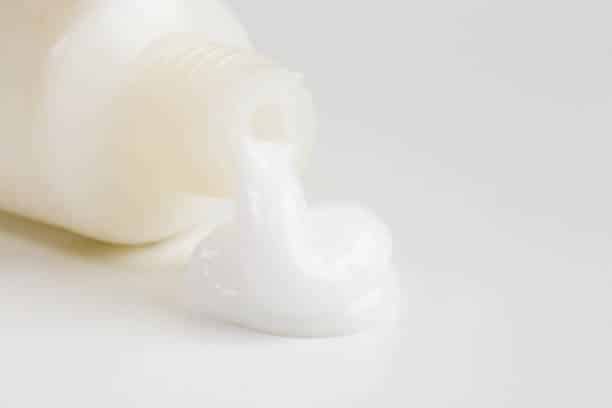
  • Apply plain petroleum jelly to keep the wound moist. Use petroleum jelly from a tube instead of a jar to prevent the spreading of dirt and bacteria.
  • Keep your wound covered with an adhesive bandage. For large scrapes, sores or burns, hydrogel or silicone gel sheets may be better.

When to see a doctor

In some cases, you’ll need to see your doctor to treat a wound. Examples of when you may need to seek medical attention include:

  •  If the wound won’t stop bleeding
  • If you can see muscle and fat through the wound
  • If you can’t get all the dirt and debris out of it
  • If it was caused by an animal bite
  • If you have a burn that covers more than 3 inches of skin and is more severe than minor burns

If you experience any of the above, you should call your doctor right away.

Additionally, some wounds or burns may require a tetanus booster shot. This includes wounds that are large, deep, or caused by something rusty.

You should check your vaccination card to see when your last shot was, especially if your burn develops a blister.

If it’s been more than 5 years since your last tetanus shot, contact your doctor to get a booster shot.

“According to the Centers for Disease Control and Prevention, more than half of all antibiotics used in the U.S. are not needed,” Coley adds. “If you injure your skin and have questions about how to treat it, talk to a board-certified dermatologist.”


SHARE
Related Stories
Answer the question below

Gout Survey

People with gout often have sudden, painful flares of joint swelling and redness. How many gout flares have you experienced in the last 12 months?
Have you ever received intravenous medicine for your gout?

Get our Weekly Newsletter

Stay informed on the latest breakthroughs in family health and wellness. Sign up today!

By subscribing, you consent to receive emails from BlackDoctor.com. You may unsubscribe at any time. Privacy Policy & Terms of Service.

More from BlackDoctor

Where Culture Meets Care

BlackDoctor is the world’s largest and most comprehensive online health resource specifically for the Black community. BlackDoctor understands that the uniqueness of Black culture - our heritage and our traditions - plays a role in our health. BlackDoctor gives you access to innovative new approaches to the health information you need in everyday language so you can break through the disparities, gain control and live your life to its fullest.
✦ AI Search Disclaimer
This AI-powered search tool helps you find relevant health articles from the BlackDoctor.org archive. Please keep the following in mind:
✦ For Informational Purposes Only
The information provided through this AI search is for general educational and informational purposes only. It is not intended as a substitute for professional medical advice, diagnosis, or treatment.
✦ Always Consult a Healthcare Provider
Never disregard professional medical advice or delay seeking it because of something you have read through this search tool. If you have a medical emergency, call your doctor or 911 immediately.
✦ AI Limitations
This search tool uses artificial intelligence to help match your queries with articles in our archive. While we strive for accuracy, AI-generated results may occasionally be incomplete, outdated, or not fully relevant to your specific situation.
✦ No Doctor-Patient Relationship
Using this search tool does not create a doctor-patient relationship between you and BlackDoctor.org or any healthcare provider.
Explore over 35,000 articles and videos across black health, wellness, lifestyle and culture
Full AI Search Experience >
×

Download PDF

Enter your name and email to receive the download link.

BlackDoctor AI Search