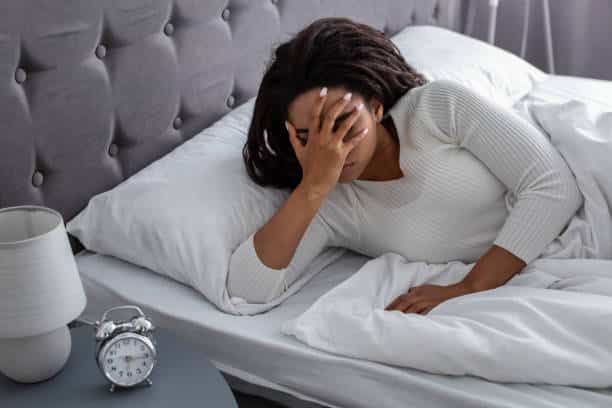
A good night’s sleep is always the goal, right? Unfortunately, it doesn’t always happen this way. We’ve all been victims of insomnia and restless nights, but what toll is it taking on our health? A lack of sleep can cause higher blood sugar levels, liver problems, weight gain and severe depression. We should all be paying close attention to our sleep patterns, but new research suggests that those with COPD (chronic obstructive pulmonary disease) may want to pay extra close attention.
Experiencing flare-ups and challenges with your breathing can last for days or weeks and take a toll on your life, especially when they are caused by things that are out of your control such as air pollution and allergens. Although poor slumber can significantly increase the risk of life-threatening flare-ups and breathing problems, there is good news. The good news is that, for the most part, you have the power to control your sleep patterns.
“Among those who already have COPD, knowing how they sleep at night will tell me much more about their risk of a flare-up than knowing whether they smoked for 40 versus 60 years,” says study lead author Dr. Aaron Baugh. He is a clinical fellow at the University of California, San Francisco Medical School and a practicing pulmonologist.
RELATED: What Can You do to Manage COPD?
If this news comes as a surprise to you, you’re not alone. Doctors are also surprised by the revelation that smoking, the leading cause of COPD, may not provide the biggest insight into your risk of developing a flare-up.
“That is very surprising, and is not necessarily what I expected going into this study. Smoking is such a central process to COPD that I would have predicted it would be the more important predictor in the case of exacerbations,” Baugh adds.
Poor sleep can also weaken the immune system and make people with COPD more susceptible to colds and the flu, which can make your COPD flare-ups worse.
Just how devastating is sleep deprivation to your COPD? To examine the impact of poor sleep on COPD flare-ups, researchers monitored sleep quality and flare-ups among more than 1,600 COPD patients in the United States for three years. All were former or current smokers.
Poor sleep was strongly associated with a higher number of COPD flare-ups. Compared to those with the best sleep, the risk of a flare-up within the next year was 25% higher among patients with poor sleep and nearly 95% higher among those with the worst sleep.
The findings suggest that poor sleep may be a better predictor of flare-ups than a person’s smoking history, according to the authors of the U.S. National Heart, Lung, and Blood Institute (NHLBI)-funded study, which was published online June 6 in the journal Sleep.
“Sleep has not been extensively studied as a modifier of COPD outcomes,” Marishka Brown, director of the NHLBI’s National Center on Sleep Disorders Research, added in an NHLBI news release. “This study adds to a growing knowledge base demonstrating the harmful effects of poor sleep on health in general but [it] can be particularly damaging in people with devastating pre-existing conditions, such as COPD.”
RELATED: 5 Things Getting In The Way Of A Good Night’s Sleep
COPD affects more than 16 million Americans and is a leading cause of death. Many people with COPD also unknowingly have
sleep apnea.
Luckily, if you have COPD, there are some things you can do to get a better night’s sleep and reduce your flare-ups.
When it comes to sleep, your position matters. Sleeping in a slightly upright position will take some stress off your lungs, according to MeiLan K. Han, MD, a professor of medicine in the division of pulmonary and critical care at the University of Michigan in Ann Arbor and a spokesperson for the American Lung Association. Slightly elevating will also help prevent acid reflux (when stomach acid backs up into your esophagus) from waking you up at night.
Who doesn’t love naps? Unfortunately, those energy-boosting naps can worsen the cycle of poor sleep and excessive daytime sleepiness, according to the Sleep Foundation. If you can’t do without your beloved naps, keep them short and brief — no longer than 30 minutes — and avoid napping in the late afternoon.
We all are guilty of spending too much time on our electronic devices, but the blue light these screens emit suppresses the production of the sleep-inducing hormone melatonin. You can combat this by shutting these devices off one hour before bedtime. Can’t do without your device for that long? Try setting your device to “nighttime” mode.
“Exercise is something that improves COPD in general,” Dr. Schachter says. In fact, a moderate exercise routine can improve your body’s use of oxygen, reduce your shortness of breath, increase your energy and muscle strength, reduce anxiety and depression, and aid sleep, according to the American Lung Association (ALA).
RELATED: 5 Breathing Exercises That Guarantee a Better Night’s Sleep
Have trouble breathing? Try yoga. A study published May 2021 in the journal Complementary Therapies in Clinical Practice shows that yoga can reduce the severity of shortness of breath and fatigue and improve sleep in people with chronic respiratory diseases such as COPD.
You may be tempted to sleep in on the weekends, but going to sleep at the same time every day will train your mind to know when it’s time to go to sleep. This will also make it easier for you to fall asleep.
When you have a lung disease such as COPD, you are losing oxygen in your blood overnight as you sleep. Oxygen therapy can help you get more oxygen into your bloodstream as you sleep, which will result in a better night’s sleep. Be careful with this option though, it can be dangerous for a small percentage of people. Check with your doctor before trying this to ensure it is safe.
RELATED: 9 Tips for a Good Night’s Sleep
What’s really causing your sleep problems? There may be something deeper that is affecting your sleep such as sleep apnea or the medications you are taking. Your doctor will be able to help you determine if these are the cause and come up with effective solutions. You should also let your doctor know if COPD pain is keeping you awake at night.
COPD isn’t curable, but it can successfully be managed. Part of this starts with getting a good night’s rest. We hope these tips help.


By subscribing, you consent to receive emails from BlackDoctor.com. You may unsubscribe at any time. Privacy Policy & Terms of Service.