Weight gain may feel like an unavoidable part of hitting your 40s and 50s, but the truth is, it doesn’t have to be. Hormonal shifts during perimenopause and menopause can bring hot flashes, mood swings, and sleep struggles—but they don’t have to mean giving up on your waistline.
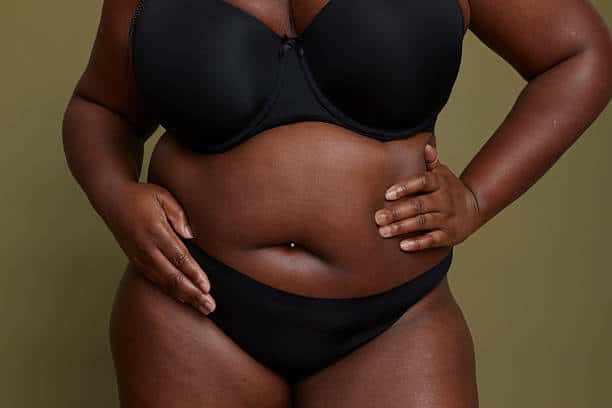
Many women notice fat settling in a new place: the belly. Some even joke about their “menopot” or “menobelly.” But it’s not just vanity—belly fat carries serious health risks. Research shows it raises the chances of heart disease, type 2 diabetes, sleep apnea, stroke, fatty liver, and even some cancers.
Pamela Peeke, MD, MPH, author of Body for Life for Women, explains that estrogen decline, muscle loss, and a slower metabolism all work against you. “What we did when we were 30 and what we do when we’re 60 is very different,” she says.
The good news: experts agree it’s absolutely possible to push back. “It can be hard, but it is possible to do it,” says Stephanie Faubion, MD, medical director of the North American Menopause Society and the Mayo Clinic Center for Women’s Health.
Here’s what experts recommend for trimming your middle and protecting your long-term health.
Estrogen shift – When estrogen levels drop, women’s bodies start storing more fat in the abdomen instead of the hips and thighs.
Metabolism slowdown – Muscle mass declines with age, which means you burn fewer calories at rest.
Genetics and aging – Genes partly determine where your body stores fat, and age-related muscle loss accelerates weight gain if you’re not active.
This combination makes the belly a prime storage zone in midlife. But while you can’t stop menopause, you can fend off the “menopot” with the right tactics: higher protein intake, regular strength training, smart cardio, and stress management.
RELATED: The Best Belly Fat Exercise…EVER
Belly fat isn’t just the “pinchable” layer under the skin (subcutaneous fat). It also includes visceral fat—the deeper fat that surrounds your organs. That’s the kind linked to heart disease, diabetes, high blood pressure, sleep apnea, stroke, fatty liver, and even early death.
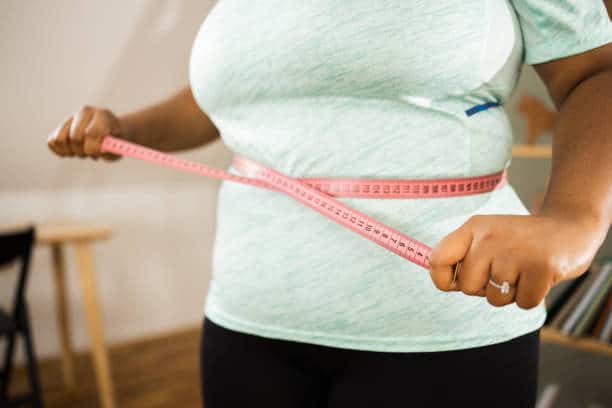
One easy check: measure your waist. For women, a waist size over 35 inches (89 cm) signals an unhealthy amount of belly fat. The larger the measurement, the higher the risks.
The metabolism slowdown means you need more activity to get results. Mix aerobic activity (walking, swimming, cycling) with strength training. High-intensity interval training (HIIT) is especially effective for belly fat.
Long hours sitting increase belly fat and liver fat, raising disease risk. Stand whenever possible—at a desk, during calls, or while waiting. A review in the European Journal of Preventive Cardiology found that standing for six hours a day can burn about 54 extra calories.
Processed carbs spike blood sugar and promote belly storage. “Carbs are the enemy of the middle-aged woman,” says Dr. Boling. Swap refined carbs for whole grains, beans, and veggies, and limit added sugar.
Gentle movement counts too. An Annals of Internal Medicine study showed tai chi reduced belly fat as effectively as aerobic or strength training in older adults.
By midlife, you may burn hundreds fewer calories per day. Cut restaurant portions, limit alcohol, and aim for three balanced meals daily rather than constant snacking. Research suggests eating your main meal earlier in the day may help.
Plant-based fats (olive oil, nuts, avocado) support health, but calories add up quickly. Order dressings on the side and measure oils at home to avoid hidden calories.
Late-night eating makes fat storage worse. Experts suggest finishing dinner by 7 p.m. and giving your body a 12-hour overnight fast.
RELATED: 8 Uncommon Ways That Burn More Belly Fat FASTER
Variety prevents plateaus. A Experimental Physiology meta-analysis found cycling HIIT particularly effective in postmenopausal women. Rotate classes, try new activities, or even use VR fitness games to stay engaged.
Poor sleep raises cortisol and disrupts hunger hormones, making fat loss harder. Aim for seven to eight hours, keep your bedroom cool, and shut down screens before bed.

Accountability helps. Studies show working out with a partner or group boosts consistency and reduces stress.
Chronic stress raises cortisol, which stores fat in the belly. Meditation, walking in nature, crafts, or even breathing exercises can lower cortisol and support weight control.
For some women, hormone therapy (HT) eases symptoms and may help prevent belly fat. A study in the Journal of Clinical Endocrinology & Metabolism found that HT users had lower BMI and less visceral fat. It’s not for everyone, so discuss risks and benefits with your doctor.
According to the Mayo Clinic, belly fat responds best to whole-body strategies:
Eat a healthy diet: focus on plant foods, lean protein, and healthy fats.
Watch portions: even healthy foods add up in calories.
Replace sugary drinks: swap soda for water or unsweetened drinks.
Exercise consistently: at least 150 minutes of moderate aerobic activity per week plus strength training twice a week.
Aim for slow, steady weight loss: crash diets don’t work for belly fat long-term.
Menopausal belly fat is common, but it doesn’t have to be permanent. Between expert-backed diet tweaks, smarter exercise, stress reduction, and medical support if needed, you can slim your waistline and safeguard your health.
It takes patience and consistency—but the payoff is big: less disease risk, more energy, and feeling stronger in your own skin.


By subscribing, you consent to receive emails from BlackDoctor.com. You may unsubscribe at any time. Privacy Policy & Terms of Service.