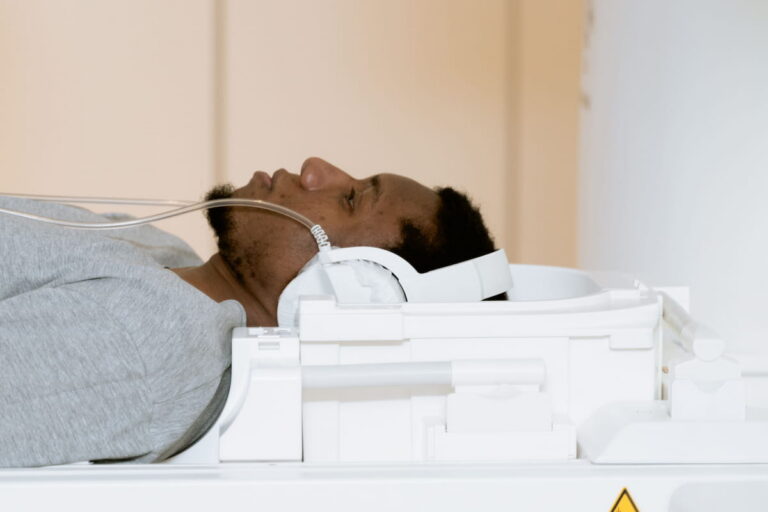
Super talented singer Solange has always been forthcoming with her feelings, her struggles and her triumphs when it comes to her fans. Recently, the “A Seat at the Table” hit singer said she was “fighting for my life” while recording her last album.
The beautiful sister of Beyoncé celebrated the two-year-anniversary of her 2019 project, “When I Get Home” with a personal note to fans via her instagram.
“2 year anniversary of the project that literally changed my life. When I first started creating ‘When I Get Home’ I was quite literally fighting for my life … in and out of hospitals (s/out park plaza on Binz! 🙂 with depleting health and broken spirits asking God to send me a sign I would not only survive, but that if he let me make it out alive, I would step into the light whatever that meant. He begin speaking to me. Half the time I didn’t know where it was coming from.”
The singer did not reveal details of her latest health issues, but Knowles in 2017 did open up about dealing with an autonomic disorder. According to the Mayo Clinic, autonomic nerve disorders affect the autonomic nervous system, which controls a person’s involuntary functions.
“I only knew I had to open the door and honor it. … I didn’t know who I was speaking to on ‘I am a witness,'” she wrote, referring to a song on the album.
“When I listen back, I hear a woman who had only an inkling of what the journey entailed, but didn’t have a clue of why or what the journey would look like. This project has shown me, once you open that door, you can’t go backwards.”
Back in 2018, Solange first revealed her struggle with this issue. “The past five months I have been quietly treating, and working through an Autonomic Disorder. It has been a journey that hasn’t been easy on me… Sometimes I feel cool, and other times not so cool at all.”
Yet, this isn’t the only health scare that nearly sidelined Solange. On her wedding day, Solange suffered from severe hives that revealed themselves as red bumps all over her face. She was able to quickly deal with that and be fine within a couple of days.
With this new autonomic disorder, Solange said it’s a complicated diagnosis and that “right now, my doctors are not clearing me for such an extended lengthy flight, and doing a rigorous show right after.”
Autonomic nervous system disorders can occur alone or as the result of another disease, such as Parkinson’s disease, cancer, autoimmune diseases, alcohol abuse, or diabetes.
According to the Mayo Clinic, here are some types of autonomic disorders Solange could be dealing with:
Orthostatic hypotension is a sudden drop in blood pressure that occurs when a person stands up, causing low blood pressure in the upright position. This leads to a decrease in blood supply to the brain. The condition usually causes a person to feel dizzy or lightheaded. Sometimes, orthostatic hypotension can cause a person to faint.
Other symptoms of orthostatic hypotension include fatigue, particularly on exertion; vision problems; soreness in the back of the neck and shoulders, sometimes called “coat hanger” pain; or shortness of breath.
Symptoms are worse when people stand up and improve when they sit or lie down. Common causes of orthostatic hypotension include dehydration, hot environments, or standing for long periods of time. Most people feel better with hydration and rest.
Many people occasionally feel dizzy or lightheaded after standing. However, for those who feel lightheaded or lose consciousness every time they stand up, it could be a sign of an autonomic disorder.
Orthostatic hypotension can cause complications—especially in older adults—such as falling down as a result of fainting. People with the condition are at risk for bone fractures, stroke due to the reduced blood supply to the brain, or cardiovascular conditions such as chest pain or heart failure.
Postprandial hypotension is a sudden drop in blood pressure after a meal, caused by blood pressure changes while you’re digesting food. Symptoms include dizziness, lightheadedness, or fainting about 15 to 90 minutes after eating. The condition is common in adults over the age of 60 and people with other disorders of the autonomic nervous system.
During digestion, extra blood is diverted to the stomach and small intestine, causing the heart to beat faster and harder while blood vessels far from the digestive system narrow. These actions maintain blood pressure and blood flow throughout the body. However, in people with postprandial hypotension, the heart rate doesn’t beat as fast as needed and the blood vessels don’t constrict as they should, so blood pressure drops.
Multiple system atrophy is a rare autonomic disorder that typically affects men and women in their 50s and advances rapidly over the course of 5 to 10 years. The condition causes a progressive loss of motor function and, eventually, the need to use a wheelchair.
There are two different types of this condition: the cerebellar type and the Parkinsonian type. How a person is diagnosed depends on the most prominent symptoms at the time he or she is evaluated.
People with the Parkinsonian type have symptoms similar to Parkinson’s disease, such as moving slowly, stiffness, tremors, and problems with balance and coordination.
Those with the cerebellar type have loss of coordination, difficulty swallowing, speech problems or a quivering voice, and unusual eye movements.
This condition tends to progress more rapidly than Parkinson’s disease, and most people eventually require an aid for walking, such as a cane, walker, or wheelchair, within a few years of the onset of symptoms.
Pure autonomic failure is a rare degenerative disorder that causes orthostatic hypotension, sexual dysfunction, a decreased ability to sweat, elevated blood pressure when lying down, and changes in gastrointestinal and urinary habits. The condition affects men slightly more often than women, and is often found in middle-aged to older adults.
Since this ordeal, Solange has continues to put out content via her own BlackPlanet channel, here.


By subscribing, you consent to receive emails from BlackDoctor.com. You may unsubscribe at any time. Privacy Policy & Terms of Service.