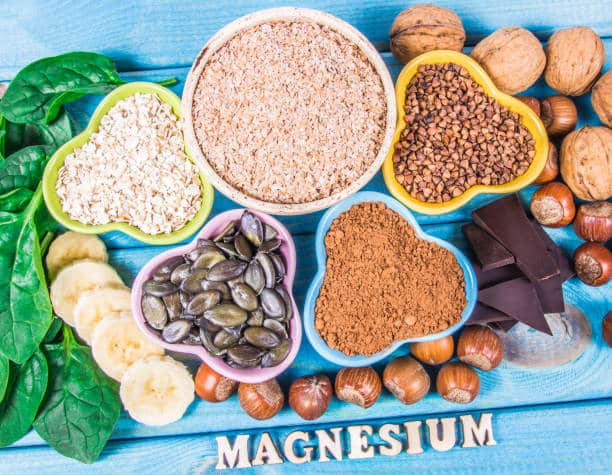
Though you may not hear about it, magnesium is essential to many of the body’s functions. In fact, there are several health benefits to having enough of this mineral in your diet. Let’s have a look at what they are and what foods you should eat to get all the magnesium you need.
RELATED: Magnesium Sulphate Help Protect Against Cerebral Palsy
As mentioned previously, magnesium is important for different bodily functions. These include regulating blood pressure, keeping the heart rate normal, maintaining normal blood sugar levels, supporting healthy muscles, and encouraging the efficient function of the nervous system. There is also some evidence that magnesium has a positive impact on your mood.
Generally, men above the age of 19 should get 400 – 420 mg of magnesium per day while women should have 310 – 320 mg per day. Those who are pregnant have a higher daily Recommended Dietary Allowance (RDA) of 350 – 360 mg. Since this may change depending on your health status, it’s good to talk about your specific needs with your doctor.
It’s also important to note that the consequences of getting too much magnesium depend on how you consume it. If you’re getting it from your diet, then it’s possible for the body to get rid of the excess through the kidneys.
When you take supplements, however, getting rid of the excess might be harder. At that point, you could experience nausea, stomach cramps, and diarrhea.
RELATED: Why Magnesium is so Important for Migraine Prevention
The benefits of magnesium vary but studies show that you can expect stronger bones, healthy muscles, and a healthy heart. You’re also less likely to develop chronic illnesses such as diabetes, degenerative brain disorders, and inflammation in the body.
When you’re exercising magnesium helps to move sugar into your muscles so it can be processed quickly. It also gets rid of the lactate that builds up during exercise. These two actions generally lead to more efficient physical activity and you may be able to exercise for longer periods.
Magnesium has been found to be integral to brain function, which includes your mood. When your magnesium levels are low, you may be more prone to developing depression.
Managing blood sugar levels are critical in preventing and managing type 2 diabetes. According to recent studies, magnesium can help to increase your insulin sensitivity, which can then improve your body’s ability to regulate your blood sugar levels.
Several studies suggest that people who have migraines regularly tend to have low magnesium levels. On the other hand, it’s been shown that consuming magnesium can help to reduce the likelihood of having migraines as well as ease the symptoms.
Magnesium can lower your heart disease risk in multiple ways. It can lower your blood pressure and lower the levels of bad cholesterol while improving good cholesterol.
Generally, up to 60 percent of the magnesium in your body is found in your bones. Unsurprisingly, the mineral is linked to maintaining healthy bones and preventing osteoporosis.
It’s been shown that magnesium levels fluctuate during the menstrual cycle. This fluctuation may contribute to PMS symptoms like cramps, water retention, and headaches. As such, increasing your magnesium intake during this time may help to alleviate these symptoms.
RELATED: Could Magnesium Be the Secret Cure for Your Headaches?
Studies show that magnesium can not only help you sleep but also ensure that you have the deep restful sleep that your body requires. This was supported by the fact that those who participated in the study had higher levels of serotonin and renin, which help with getting a good night’s sleep. Getting more magnesium was also found to be helpful for those who have a history of insomnia.
Magnesium can be found in a wide variety of foods including green leafy vegetables, nuts, beans, and whole-grain cereals. A few great sources of magnesium that can be easily added to your diet are spinach, chia seeds, pumpkin seeds, cashews, peanut butter, black beans, brown rice, salmon, and halibut. If you opt for a supplement instead, talk to your doctor about your best options.
The multiple health benefits show that magnesium is an essential mineral that you need in your diet. Fortunately, it’s easy to add it to your meals with a few tweaks. If you’re more comfortable with taking a supplement, don’t forget to talk to your doctor.


By subscribing, you consent to receive emails from BlackDoctor.com. You may unsubscribe at any time. Privacy Policy & Terms of Service.