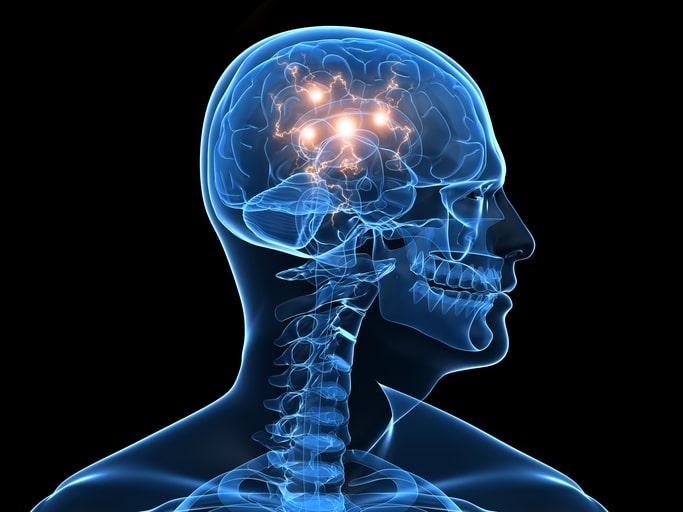
Tardive dyskinesia, also known as TD, is a rare involuntary neurological movement disorder, caused by using dopamine receptor blocking drugs, often prescribed to treat certain mental, neurological, or gastrointestinal disorders. Such conditions include schizophrenia, depression, bipolar disorder, certain digestive disorders, and some neurologic illnesses.
The long-term use of neuroleptic drugs can create biochemical abnormalities in a part of the brain called the striatum. The striatum is necessary for voluntary motor control. So, sufferers may experience involuntary and abnormal movements of the jaw, lips and tongue in addition to rapid, jerking of the arms and legs, grimacing and eye blinking.
These symptoms can make one feel emotionally and socially at a loss, experts say. For example, you may:
It’s important to note that symptoms of disorders such as Huntington’s disease, cerebral palsy, Tourette syndrome, and dystonia can be similar to those of tardive dyskinesia.
READ: African Americans Are More Likely to Develop Tardive Dyskinesia
People with schizophrenia and other neuropsychiatric disorders are vulnerable to the development of TD, after exposure to conventional dopamine receptor blocking drugs, better known as neuroleptic drugs.
Over time, these antipsychotic meds, can cause facial grimacing, sticking out the tongue, sucking or fish-like movements of the mouth, involuntary movement of the jaw, lips and rapid, jerking of the arms and legs, or eye blinking.
Dopamine is a neurotransmitter chemical which helps brain cells communicate – specifically its reward and pleasure centers. Dopamine deficiency can result in Parkinson’s disease, and people with low dopamine activity may be more prone to addiction, according to Psychology Today.
READ: 8 Types of Specific Tardive Dyskinesias You Should Know About
In short, yes. Initially, treatment of tardive dyskinesia begins with discontinuing the neuroleptic drug as soon as one experiences involuntary movement.
In 2017, the FDA approved the treatment of adults with tardive dyskinesia using Ingrezza (valbenazine). Ingrezza is manufactured by Neurocrine Biosciences, Inc, the National Organization for Rare Disorders (NORD) reports.
In the meantime, “studies are ongoing to determine possible new drug therapies for the treatment of tardive dyskinesia. Choline, lithium, bromocriptine, baclofen, methyldopa, valproate, clonidine, propranolol, amantadine, clonazepam, and nifedipine have occasionally been helpful but in most cases, do not improve dyskinesia. Tetrabenazine is often useful for symptomatic treatment of tardive dyskinesia and is currently available for use in the US. However, it carries the risk of causing or aggravating depression,” NORD states.
Other experimental drugs are being tested to reduce or eliminate the symptoms of TD altogether.
While alternative treatments may not be in sight, experts suggest that weening off of drugs used to soothe certain mental, neurological, or gastrointestinal disorders is a good starting place.
READ: Tardive Dyskinesia & Parkinson’s Disease: What’s The Difference?


By subscribing, you consent to receive emails from BlackDoctor.com. You may unsubscribe at any time. Privacy Policy & Terms of Service.