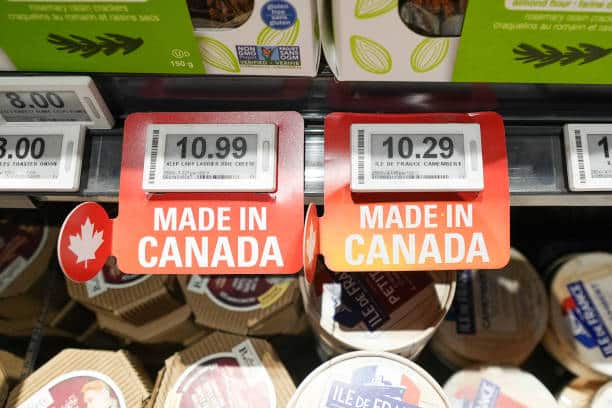
Donald Trump’s latest round of tariffs on America’s biggest trading partners—Canada, Mexico, and China—was set to impact nearly every sector of daily life, from grocery shopping to gas prices and even car manufacturing. However, on Monday, Trump announced a 30-day pause on tariffs against Mexico and Canada as negotiations continue over border security and drug trafficking concerns.
While this temporary halt provides a brief reprieve for consumers and businesses, uncertainty remains about whether tariffs will eventually take effect, potentially driving up prices across the board. At the same time, China has hit back with its own set of economic measures, escalating tensions and fueling concerns about a broader trade war.
Here’s what you need to know about the potential future impact of tariffs and steps you can take to save money.
In response to the Trump administration’s 10 percent tariffs on Chinese imports, Beijing has announced countermeasures that target a range of American goods and companies. China’s Ministry of Finance imposed tariffs on:
These tariffs are set to take effect on February 10, potentially impacting U.S. energy, agriculture, and auto industries. Additionally, China’s Ministry of Commerce has implemented new export controls on over two dozen metal products and technologies, including tungsten and tellurium, which are crucial for industrial and defense applications.
Further escalating tensions, China added two American firms, Illumina and PVH Group (owner of Calvin Klein and Tommy Hilfiger), to its unreliable entities list, citing market trading violations. Moreover, China has launched an anti-monopoly investigation into Google, signaling a broader pushback against U.S. businesses operating in China.
Just as American tariffs could increase the price of imported goods, China’s retaliatory measures could disrupt supply chains and lead to cost increases in several industries:
While Trump argues that tariffs will strengthen American manufacturing, China’s countermeasures indicate that the trade conflict may be far from over. Beijing has vowed to defend its economic interests, filing a complaint with the World Trade Organization (WTO) and warning that the U.S. tariffs undermine global trade stability.
Experts caution that if tensions continue to escalate, the two nations could see a return to the tit-for-tat trade war experienced during Trump’s first term, which strained global markets and increased costs for consumers. While negotiations between Trump and Chinese President Xi Jinping remain a possibility, the economic standoff could deepen if no resolution is reached.
One of the most immediate effects of the tariffs will be seen at the grocery store, where the cost of imported food items is expected to increase. Here’s a list of everyday groceries that will see price hikes:
While food prices are an immediate concern, other everyday products will also see price increases due to the tariffs.
As prices rise, American consumers may start to feel the squeeze in their daily spending. Businesses that rely on imported materials may also pass their increased costs onto consumers, making everything from home renovations to dining out more expensive.
While Trump argues that tariffs will strengthen American manufacturing, economists overwhelmingly warn that these trade barriers could slow economic growth and put pressure on working families.
As the new tariffs take effect, Americans should brace themselves for higher grocery bills and rising costs across multiple industries. Whether these trade policies will yield long-term economic benefits remains to be seen, but in the short term, they are already making life more expensive for the average shopper.
With uncertainty surrounding tariffs, it’s wise to take proactive steps to reduce spending. Here are some money-saving strategies:
The 30-day tariff pause provides temporary relief, but the possibility of increased tariffs still looms. Trump’s negotiations with Canada and Mexico will determine whether these trade barriers ultimately take effect, potentially impacting the economy and household budgets.
For now, you should stay informed and take strategic steps to minimize the impact of any future price hikes. Whether tariffs return or negotiations prevent them altogether, smart shopping and financial planning will help mitigate their effects.


By subscribing, you consent to receive emails from BlackDoctor.com. You may unsubscribe at any time. Privacy Policy & Terms of Service.