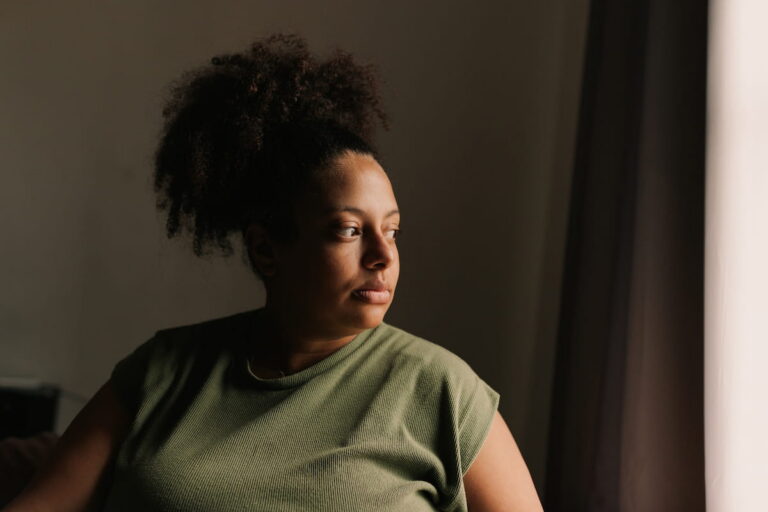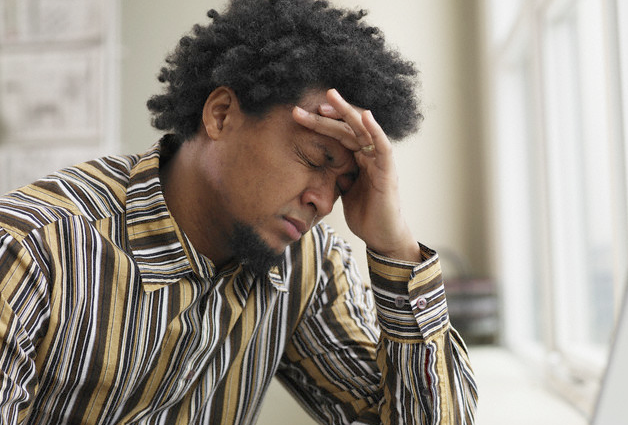
After a long day of work and errands, you are ready to go to sleep but the throbbing headache is keeping you from the bedroom. You might take some aspirin but it still does not ease the pain. A tension headache might be the diagnosis.
Most headaches are tension headaches. These headaches tend to happen again and again, especially if you are under stress. They are not usually a sign of something serious. But they can be very painful and hard to live with.
MUST READ: Headache Locations: What Do They Mean?
Doctors don’t know for sure what causes tension headaches. Experts once thought that tension or spasms in the muscles of your neck, face, and head played a role. Now they think a change in brain chemicals may also be a cause.
Symptoms of tension headaches include:
• A headache that is constant, not throbbing. You usually feel the pain or pressure on both sides of your head.
• Pressure that makes you feel like your head is in a vise.
• Aching pain at your temples or the back of your head and neck.
• This is different than migraine headaches, which usually cause throbbing pain and start on one side of your head.
• Tension headaches tend to come back, especially when you are under stress. They can last from 30 minutes to several days.
Usually, pain from a tension headache is not severe and does not get in the way of your work or social life. But for some people the pain is very bad or lasts a long time. You have chronic tension headaches if they occur at least 15 days a month.
A doctor can usually diagnose tension headaches by asking you questions about your health and lifestyle and by examining you.
Read More: 5 Surprising Headache Triggers
Most people can treat their tension headaches with pain relievers that you buy without a prescription, like acetaminophen (such as Tylenol) or aspirin.
But if you take these pain relievers more than 3 times a week, you may get rebound headaches. Rebound headaches are different from tension headaches. They usually start after pain medicine has worn off, which leads you to take another dose. Eventually you get a headache whenever you stop taking the medicine.
Some people have chronic tension headaches. This means they often get headaches. Doctors may prescribe stronger pain medicine for these people.
Even with treatment, most people still have some headaches. But with treatment, you will probably have them less often. And when you do get them, they probably won’t be as bad.
Home treatment may help you avoid headaches. Learn how to handle stress. Make sure you sleep, exercise, and eat on a regular schedule. Check your posture. Don’t strain your eyes when you use your computer. Get treatment for depression or anxiety.
READ: Headaches and Migraines
Try keeping a headache diary. Every time you get a headache, write down the date, the hour, and what you were doing and feeling before your headache started. This may help you and your doctor find out what is causing your headaches so you can get the right treatment.


By subscribing, you consent to receive emails from BlackDoctor.com. You may unsubscribe at any time. Privacy Policy & Terms of Service.