 For many, the holidays mean getting together with family and friends, enjoying great food, and celebrating traditions—not getting sick or sharing germs! As you gather for the holidays this year, the best way to protect yourself and your loved ones from potentially serious diseases is to show up vaccinated.
According to the Centers for Disease Control and Prevention (CDC), Black adults in the US are more likely to be hospitalized with influenza (flu) and are less likely to get vaccinated against flu than other groups.
To make matters worse, flu is not the only disease circulating this season. COVID-19, respiratory syncytial virus (RSV), and pneumococcal disease can also cause serious illness and often have a greater impact on communities of color.
The good news is that for the first time, vaccines and other prevention tools are available to help protect you and your loved ones against these diseases. Not sure which vaccines are right for you and your family? Here’s a quick guide:
Anyone can get sick with flu, but some people are at higher risk for flu-related complications, including hospitalization and even death. This includes adults age 65 years and older, children younger than age 2 years, pregnant women, and those with heart disease, lung disease, diabetes, kidney disease, or other chronic health conditions, regardless of age.
In fact, people with heart disease are 6 times more likely to have a heart attack within 1 week of flu infection, and flu infection in the lungs can trigger asthma attacks, worsen asthma symptoms, and lead to pneumonia. Pregnant women with flu are more likely to have complications that can lead to hospitalization and death and flu can also harm developing babies. During the 2022-2023 flu season, nearly 180 children died from flu-related complications—most of whom were not vaccinated.
Getting an updated COVID-19 vaccine is important because protection from previous vaccines or infection decreases over time. The updated vaccines can help protect against the most common COVID-19 virus variants now circulating.
Like flu, COVID-19 can be serious and can cause mild to severe symptoms and complications, even in healthy children and adults. Pregnant women with COVID-19 may be more likely to have preterm births and severe illness. Those who are most vulnerable to COVID-19 include older adults and people of any age with obesity, diabetes, asthma or chronic lung disease, sickle cell disease, or weakened immune systems. More than 81% of COVID-19 deaths are in adults age 65 years and older. The more medical conditions you have, the more likely you are to get severely ill from COVID-19.
RSV is a common virus that affects the nose, throat, lungs, and breathing passages. Even though it often causes cold-like symptoms, RSV can be serious for infants, toddlers, and older adults. In children younger than age 5 years, RSV causes up to 80,000 hospitalizations and an estimated 100-300 deaths in the US each year. Among adults age 65 years and older, RSV causes up to 160,000 hospitalizations and 6,000-10,000 deaths in the US each year.
New RSV vaccines and preventive monoclonal antibodies (manmade protein that acts like antibodies naturally produced by our immune systems) can help protect against serious RSV illness.
Pneumococcal disease can cause fever, chills, cough, shortness of breath, and other issues such as ear or sinus infections, as well as pneumonia, sepsis, and meningitis. Pneumococcal disease is particularly dangerous for young children and older adults and can lead to hospitalization and even death. Each year in the US, pneumococcal pneumonia hospitalizes about 150,000 people—killing about 5-7%, or 1 in 20 of those infected.
Getting vaccinated is the best way to reduce the risk of serious illness due to these diseases. Even in cases when vaccination does not prevent disease, it can reduce the length and severity of illness and can help prevent serious complications.
“Black communities are disproportionately impacted by flu and other respiratory diseases, putting them in harm’s way. Before you get together with loved ones this holiday season, it’s important to make sure that everyone gets vaccinated to help protect those most at risk,” said Keith C. Ferdinand, MD, professor of medicine in cardiology at Tulane University School of Medicine. “Talk with a trusted healthcare professional if you have questions about vaccines and what is best for you and your family.”
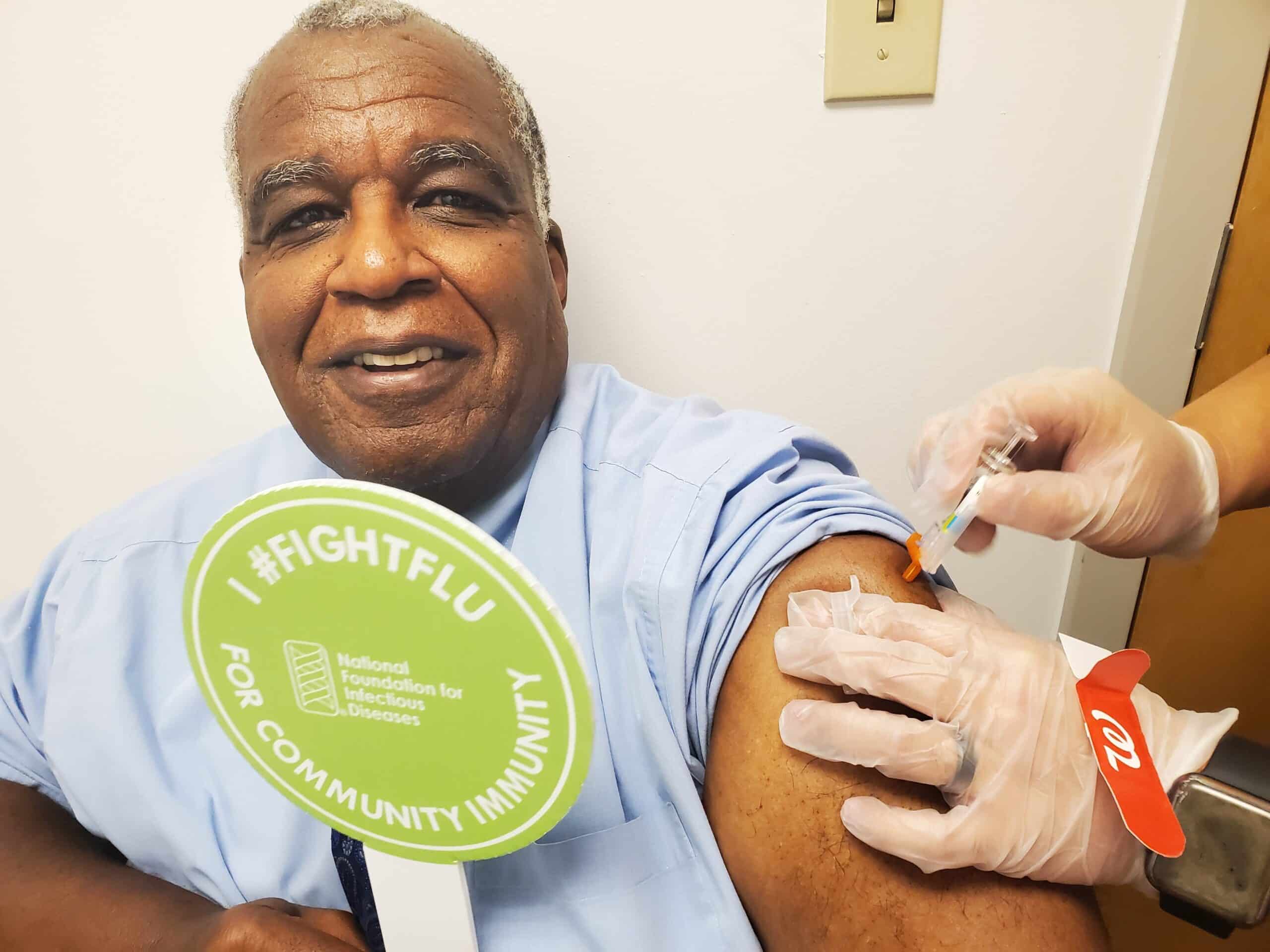
Show up for yourself, your loved ones, and your community by getting vaccinated before the holidays. It’s one gift you can be sure about.
Depending on your age and available supply, you can get flu, COVID-19, RSV, and pneumococcal vaccines at your local pharmacy, community clinic, or doctor’s office.
To learn more about recommended vaccines, visit www.nfid.org/immunization.
By National Foundation for Infectious Diseases


By subscribing, you consent to receive emails from BlackDoctor.com. You may unsubscribe at any time. Privacy Policy & Terms of Service.