Did you know that being kind and patient with your child could actually help lower their risk of developing ADHD, even if that risk started before they were born? That’s what a new study suggests.
Children can have a higher risk of ADHD if they’ve been exposed to inflammation during pregnancy, caused by maternal health factors like infection, diabetes, smoking and stress, researchers said.
But this risk can be blunted if parents develop a warm and responsive relationship with their infants early in life, researchers reported recently in the Journal of Child Psychology and Psychiatry.
RELATED: ADHD: Treating Your Child Without Medication
“We know that genetics play a role in ADHD, but what this research demonstrates is that the early environment is also an important factor,” said senior researcher Hanna Gustafsson, an associate professor of psychiatry at Oregon Health & Science University (OHSU) in Portland.
“Fetal brain development and risk for ADHD are influenced by the prenatal environment,” she said in a news release. “Yet brain development doesn’t stop when a child is born; it continues throughout life and can be molded by children’s experiences, their family relationships and their community.”
In this study, more than 300 pregnant women and their babies were followed to see how early experiences might shape a child’s risk for ADHD.
The team measured the expectant mothers’ inflammation using blood samples drawn in the second trimester. The team then observed interactions between mother and child at six months old, and the kids’ ADHD symptoms were assessed at three years old.
Results showed that higher inflammation during pregnancy was linked to ADHD symptoms during a child’s early preschool years.
RELATED: 10 Black Parenting Perspectives on ADHD
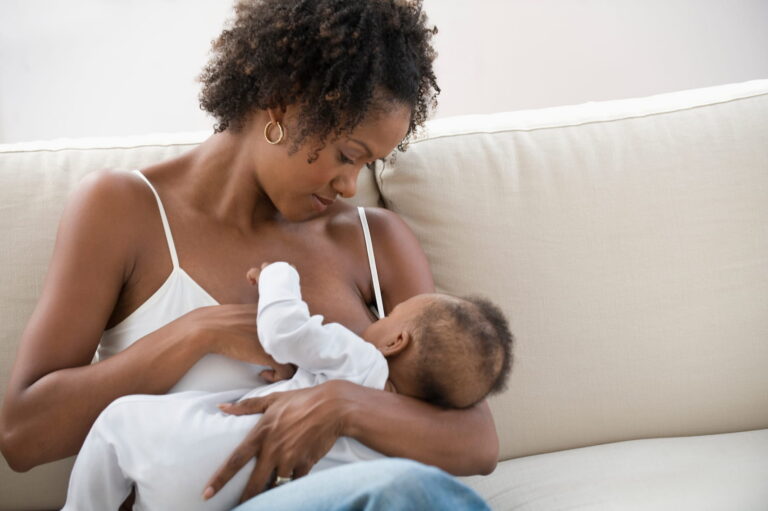
But here’s where parenting comes in: kids were more likely to show ADHD symptoms if they didn’t get much sensitive, responsive care from their parents.
Examples of sensitive caregiving include:
“There is so much pressure on new parents, yet societally we provide limited support and tools,” lead researcher Elinor Sullivan said in a news release. She’s a professor of psychiatry and behavioral neuroscience at OHSU.
“This research demonstrates that small moments of engagement and emotional connection with your child can create a significant, lifelong impact,” Sullivan said.

It’s important to remember: this doesn’t mean parenting causes or prevents ADHD. ADHD is complicated, and things like genetics, brain development, and other factors all play a role. You can’t control everything that happens during pregnancy or early childhood, and that’s okay.
What you can do is focus on building a supportive, responsive relationship with your child. That kind of connection may help your child handle some of the challenges that come with early developmental risks.
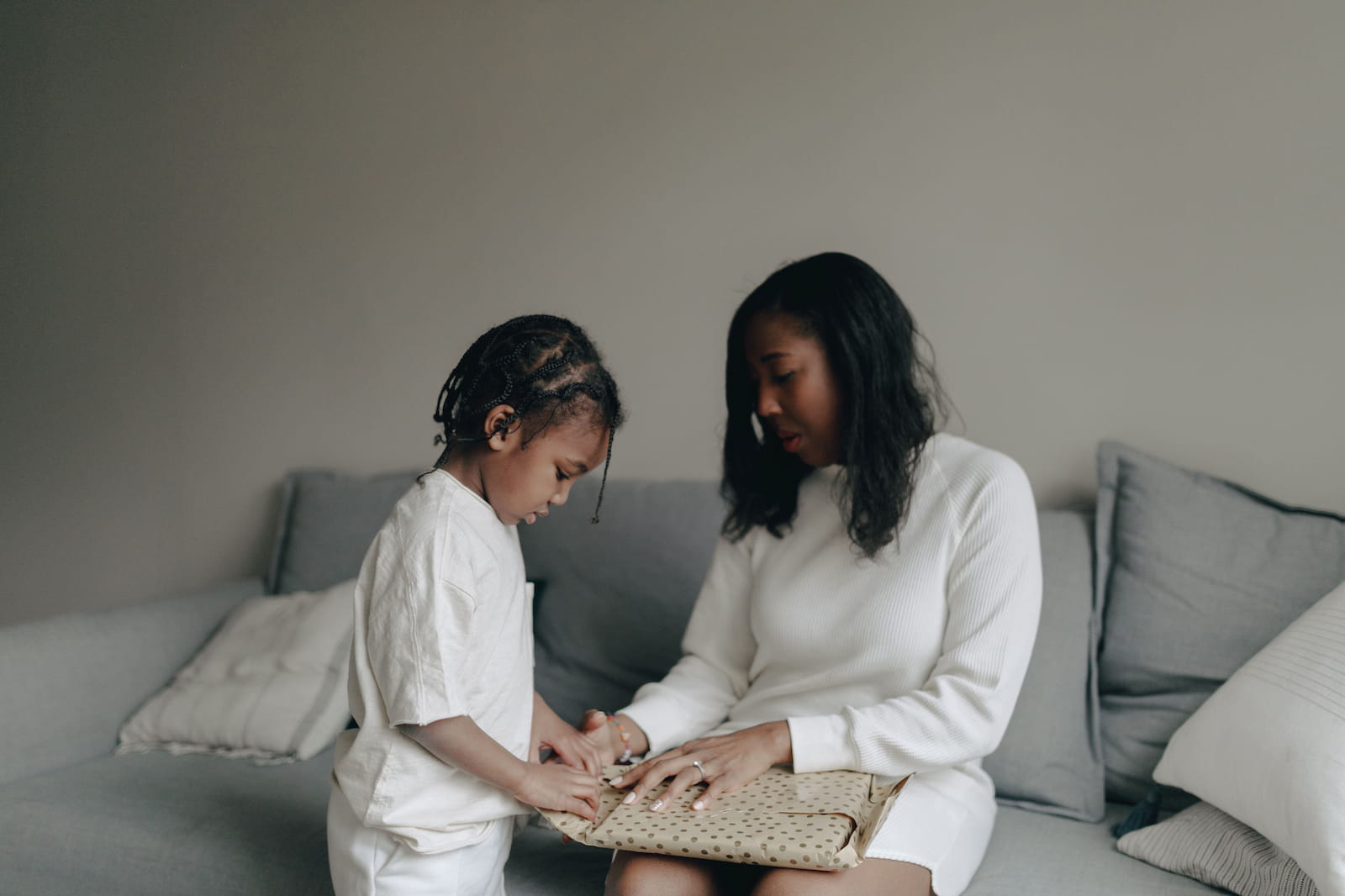
You don’t have to do anything fancy to make a difference. Here are some simple ways you can connect with your child every day:
You don’t have to be a perfect parent to give your child warmth and connection. Sometimes, it’s just about smiling, making eye contact, or taking a few minutes to play or respond when your baby makes a sound.
Most importantly, don’t let this research make you feel guilty about your child’s ADHD risk. Instead, let it remind you that those small, everyday moments of connection really do matter—and that you deserve support as you raise your child.
Researchers plan to investigate whether interventions that reduce inflammation during pregnancy could potentially influence children’s developmental outcomes. Areas of interest include fatty acid supplements and mindfulness meditation.
For now, the researchers emphasize the importance of supporting parents and caregivers rather than placing additional pressure on them.
“There’s no playbook for parenting,” Gustafsson said. “Supporting caregivers throughout the transition to parenthood will not only benefit children but also create healthier families and communities for generations to come.”
So, the takeaway isn’t that you need to do everything perfectly. It’s that your child’s development is shaped by both what happens before birth and the love and care you give after. Nurturing, responsive relationships can help give your child the best possible start.


By subscribing, you consent to receive emails from BlackDoctor.com. You may unsubscribe at any time. Privacy Policy & Terms of Service.