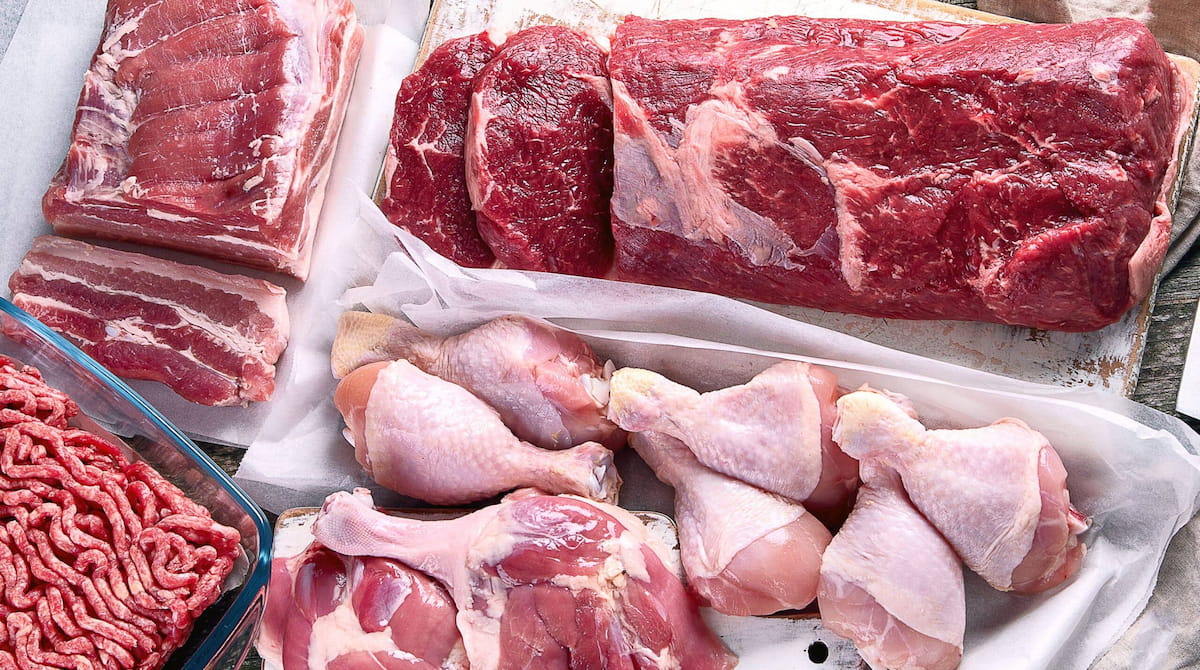
Most Americans love some kind of meat: ribs, chicken, steak, prk chops, etc. And for the majority of Americans, meat is a part of daily life. Many Americans look to meat as their main source of protein throughout the day. The 2020-2025 Dietary Guidelines for Americans suggests 5 ½ ounces of protein foods per day for a 2,000-calorie intake, though guidelines depend heavily on your weight, age, sex, physical activity level and other factors.
But when people think about healthy eating, meat often becomes controversial. Some people giveup meat for religious holidays or health goals that made at the beginning of the year. Some even avoid it altogether, while others consume it daily without much thought. The truth actually lies in quality, type, and timing.
So, when it comes to “healthy” meat, which ones are the healthiest for you and your family? Our dietitian and health experts break it down for you into the top three.
Why It’s Healthy
Grass-fed red meat is one of the most nutrient-dense foods available when eaten in moderation.
Key benefits:
Grass-fed meat differs from conventional meat by having:
Best Ages to Eat It
Best cuts
Why It’s Healthy
Pasture-raised poultry is lean, nutrient-dense, and easier on the body than many heavier meats.
Key benefits:
Compared to conventional poultry, pasture-raised birds have:
Best Ages to Eat It
Best parts:
Thighs and drumsticks (more minerals and healthy fats than breast meat)

And the number one healthiest meat is….
Wild-caught consistently ranks as the healthiest meat for the human body across most stages of life.
1. High-Quality Protein With Low Inflammation
Fish provides complete protein containing all essential amino acids needed for muscle repair, immune function, and hormone production. Unlike many red or processed meats, fish is low in saturated fat, which helps reduce systemic inflammation and supports cardiovascular health.
2. Rich in Omega-3 Fatty Acids
Fatty fish like salmon, sardines, mackerel, and trout are among the richest sources of omega-3 fatty acids (EPA and DHA). These fats:
Reduce inflammation
Support brain health and memory
Improve heart function
Lower triglycerides and blood pressure
Omega-3s are considered essential because the body cannot produce them on its own.
3. Supports Brain Health and Mental Performance
The human brain is nearly 60% fat, and much of that fat is DHA. Regular consumption of fish has been linked to:
Improved cognitive function
Lower risk of depression and anxiety
Reduced risk of neurodegenerative diseases like Alzheimer’s
4. Easier to Digest Than Red Meat
Fish muscle fibers are shorter and softer than those found in beef or pork, making fish easier to digest. This is especially important as digestive efficiency declines with age.
5. Lower Toxic Load (When Chosen Wisely)
Compared to processed meats, fish contains fewer carcinogenic compounds. Choosing wild-caught, low-mercury fish further reduces exposure to environmental toxins.
Fish is especially valuable during brain development years.
Best choices: Salmon, sardines, trout
Frequency: 1–2 times per week
During periods of rapid growth and hormonal change, fish helps:
Omega-3s may also help stabilize emotional swings common during adolescence.
This is a time of peak metabolism and physical performance.
Frequency: 2–3 times per week
As inflammation and cardiovascular risk increase, fish becomes even more important.
Fish is one of the most important proteins later in life.
Frequency: 2–3 times per week, with emphasis on fatty fish
While fish stands out as the healthiest, other meats can still play a role:


By subscribing, you consent to receive emails from BlackDoctor.com. You may unsubscribe at any time. Privacy Policy & Terms of Service.