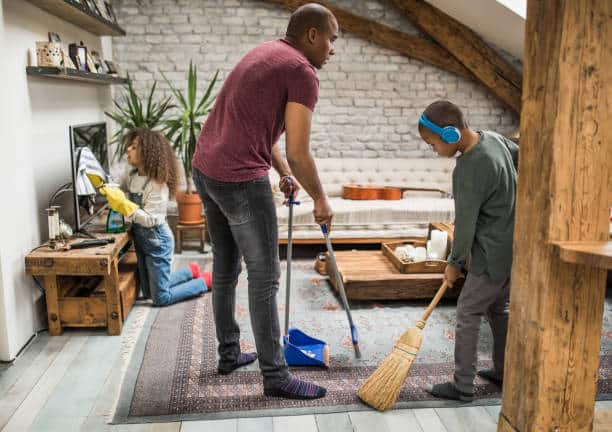
Your home is supposed to be a relaxing, comfortable, and peaceful safe haven but dust allergies within your home can trigger some serious asthmatic troubles if you don’t stay on top of it.
To make matters worse, most allergy symptoms may occur during and after the cleaning process especially when you start to rev up that vacuum cleaner, sweep or dust, which causes the dust particles to fill the air making it easier for you to inhale them.
Do you remember the old saying, “Sleep tight but don’t let the bedbugs bite”? Well, let’s change that wording up a bit and say, “Stay woke, but don’t let the dust mites trigger a flare-up.”
So what exactly are dust mites and where do they come from? The American Lung Association describes dust mites as “microscopic, insect-like pests”. Dust mites are the most common indoor substances or allergens that can trigger allergic reactions and asthma in people.
Dust mites are everywhere! They naturally appear in nearly every home but they thrive off homes that are very dusty, musty, mildew mildew-smelling and those within high humid areas. Since dust mites do not drink water they absorb the moisture from the air, but the good news is they can’t survive in the desert and low-humidity areas.
Dust mites can live within your bedding, mattresses, carpets, curtains, and furniture; but they feed off your dead skin cells found in the dust.
Things can also get more complicated when you have inside pets, such as dogs, birds, and cats who like to climb and roam freely through your home, adding to the piles of dead skin dropping on your carpet and furniture.
I’m not trying to totally gross you out, but I am trying to paint a picture of how everyday occurrences in life can impact your immune system and cause allergic rhinitis. A dust mite allergy can create a runny nose, watery eyes and sneezing.
This allergy condition can also create mild to severe cases of chronic sneezing, coughing, congestion, and facial pressure, which could lead to an asthma attack.
If you have found yourself suffering from the following symptoms:
You may also want to consider making the following changes to your cleaning routine by
If you believe that you may have an allergy to the things within your home, immediately seek a physician to help you identify the cause of your symptoms.
Your doctor will ask you detailed questions about your medical history, and about your home and work-life environment to help you identify your triggers.
Your doctor may also perform a series of tests to observe your reaction to certain elements to pinpoint and confirm the allergy.
After your allergy has been identified, your doctor will provide a treatment that may include medication or recommendations for your household cleaning routine.
Just remember as you clean your home, rock out with Queen’s lyrics and say, “Another One Bites the Dust.”


By subscribing, you consent to receive emails from BlackDoctor.com. You may unsubscribe at any time. Privacy Policy & Terms of Service.