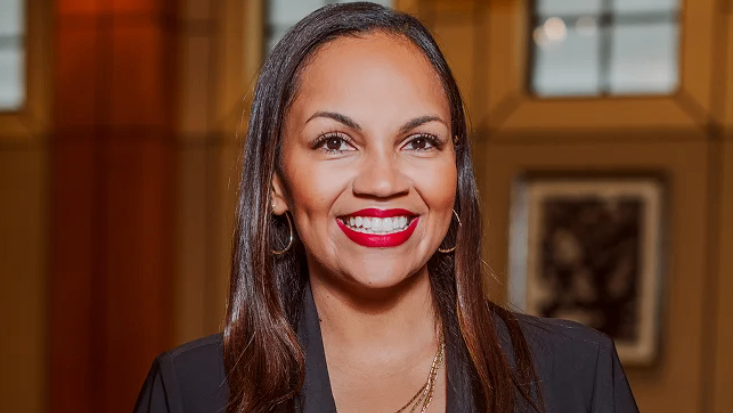
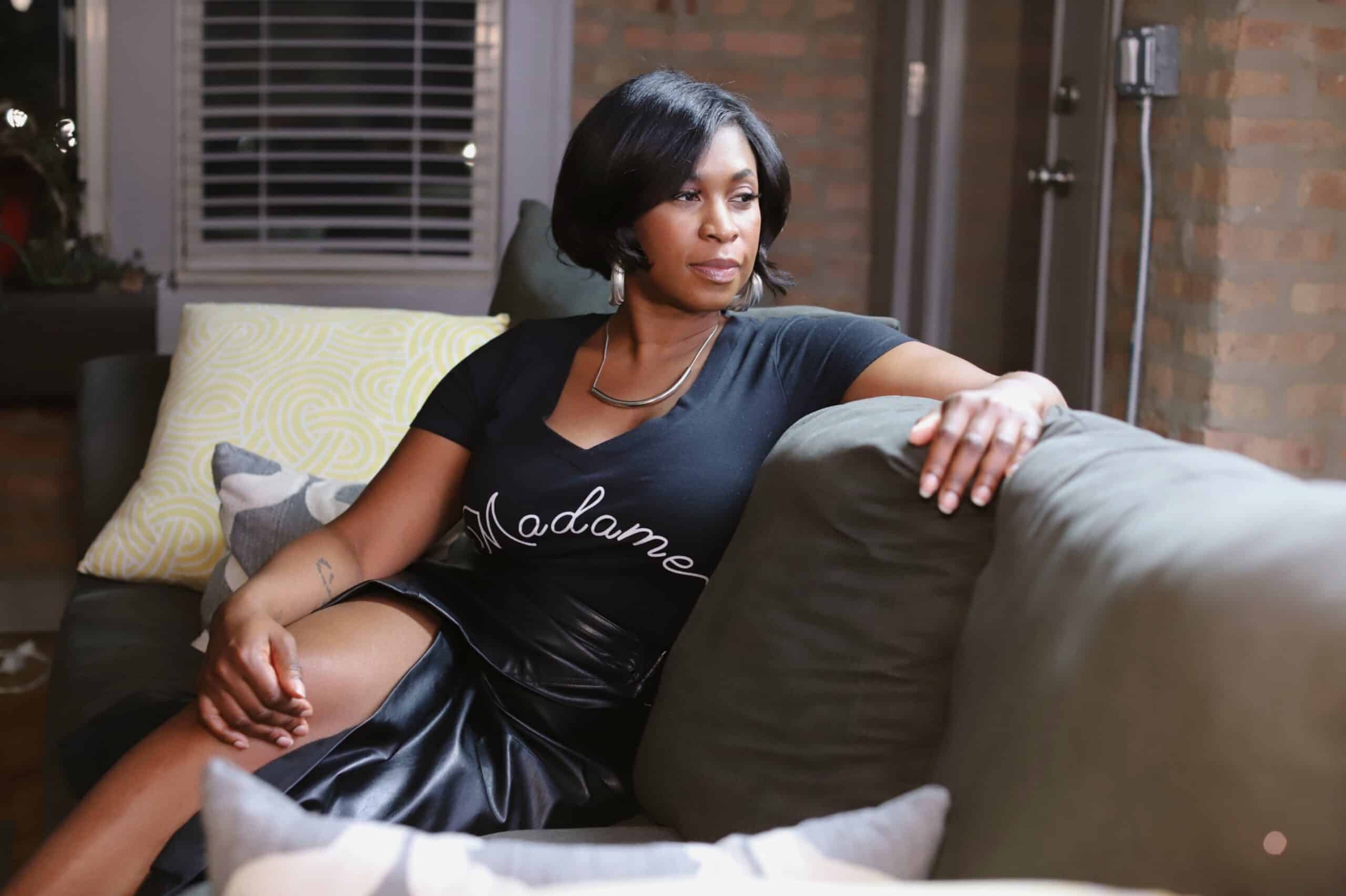
 Photo courtesy of Asha Dickens
Endometriosis is a complex and often misunderstood condition that affects millions of women worldwide, including Black women who are 50 percent more likely to be diagnosed.
Asha Dickens’ journey began in 2016 when she received a diagnosis that caught her completely off guard. Unlike many women with endometriosis, Dickens did not experience the classic symptoms of excruciating menstrual cramps or irregular periods.
Her revelation came during Memorial Day weekend, marked by a sudden onset of extreme cramps and an unexpected reaction to a few drinks. Little did she know that these events would lead to a life-altering diagnosis.
“This diagnosis hit me like a ton of bricks,” Dickens shares. “It came as a complete shock to me because I’ve never experienced a painful period.”
RELATED: Endometriosis: The Pain Is Not In Your Head
Dickens’ initial symptoms escalated when she experienced the rupture of a cyst on her ovary. Her doctor revealed endometriomas and fibroids were the culprits.
The former was a condition she was unfamiliar with, which led her down a path of self-discovery and a commitment to finding holistic remedies to manage her condition.
Initially hesitant to embrace conventional treatments like birth control, Dickens chose to collaborate with her doctor to find a balance that worked for her.
“It led me to do a complete 180; I ended up quitting my job and became a holistic practitioner,” Dickens says. “I’ve changed my diet, stopped eating red meat, and become way more active.”
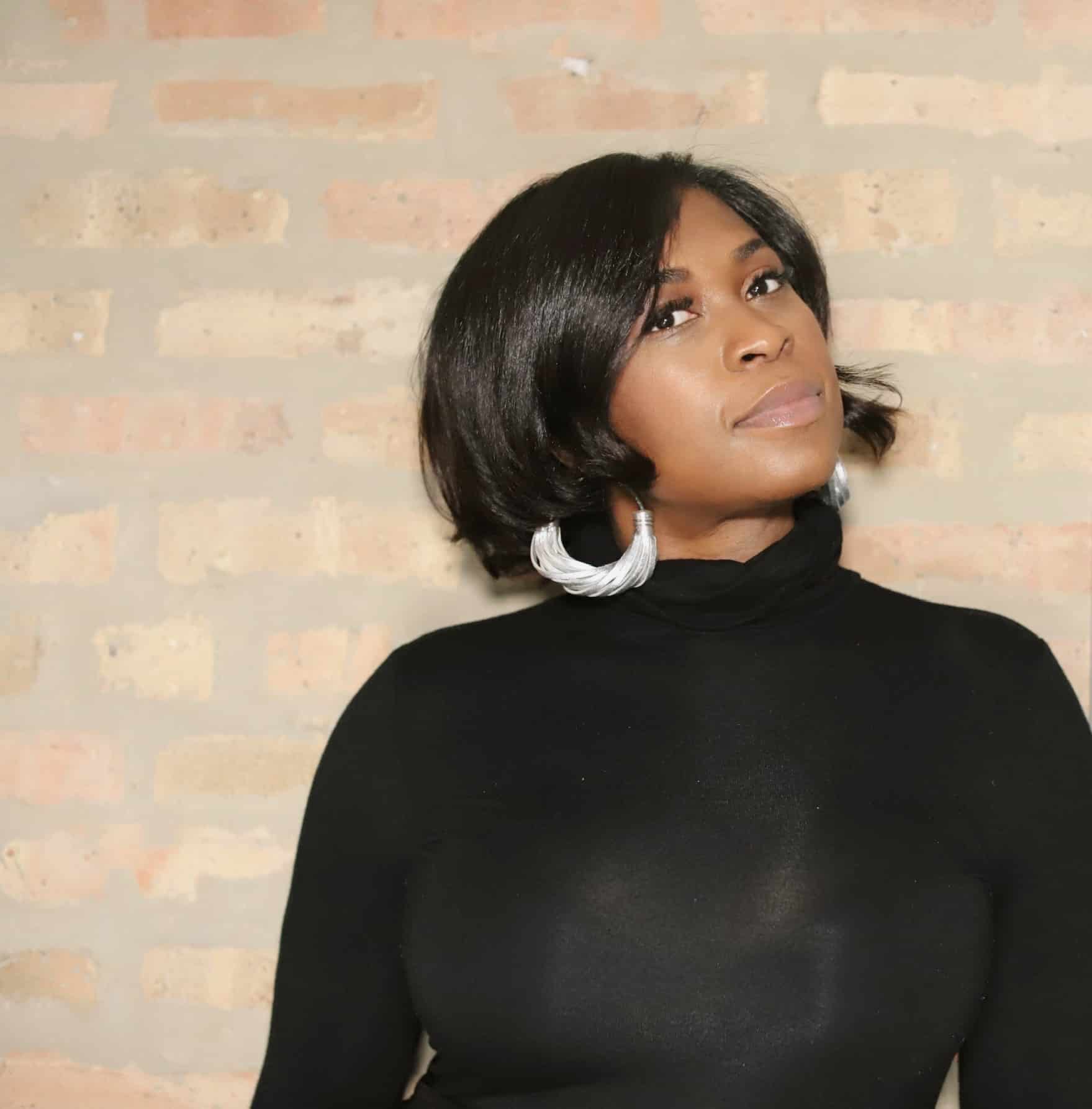 Photo courtesy of Asha Dickens
Like many people with health conditions, the holidays presented a new set of challenges for Dickens.
“The third time that I ruptured a cyst was November 2019, so it had been three years since the prior rupture, and it all happened kind of around the holidays,” Dickens shares. “When you’re in a celebratory time frame, not being able to celebrate the way that others do is probably the most difficult thing.”
Fortunately, maintaining a consistent regimen throughout the year and making informed choices allowed her to find a way to enjoy the festivities without compromising her health.
“If I’m managing my endometriosis throughout the year and doing the things that I’m supposed to do, I’m usually able to enjoy myself during the holidays,” Dickens adds.
Open communication with friends and family about her condition and limitations also played a crucial role in creating a supportive environment during celebratory occasions.
“Being very clear with your friends and family about what your limitations are and why can make the holiday season a much better time,” she shares. “People who care about you and love you don’t want to ostracize you; they don’t want you to feel bad.”
“So, I’ve had to sit down with even my parents and my brother and say, ‘I know that this may sound odd or it may sound like stuff you see on television, but the reality is I have this invisible condition that sometimes can take me out,'” Dickens adds.

For Dickens, these conversations go far beyond setting boundaries. Family conversations, especially around your family health history is a way to foster understanding and break the stigmas and misinformation surrounding gynecological conditions, which disproportionately impact Black women.
“I’ve been encouraging conversation, not just because I have the condition, but I have younger cousins who may be impacted when they get a little older, at least they know what to expect and they know what to look for,” Dickens says.
Dickens hopes by having these conversations, women will be inspired to advocate for themselves and ensure timely and accurate diagnoses by recognizing that pain isn’t normal.
“I think it goes hand in hand with the statistics that we’re seeing about Black births, and oftentimes our pain is diminished and seen, for whatever reason, by the medical community as more prone to or better equipped to handle pain,” Dickens notes. “I think that the same thing exists when we’re talking about conditions like a heavy period, for example. A heavy cycle is not a normal thing; it’s usually a sign of something else. It’s disappointing that your doctor’s not willing to investigate that, and I think that we find that happens more often, just because there’s a lack of sensitivity for Black women and the issues that we may have going on.
Dickens commends tools like Pfizer and Sumitomo Pharma’s Uterine Health Guide as a key resource for women seeking information and support.
The guide plays an important role in educating women, helping them understand their symptoms, and facilitating effective communication with healthcare providers, something she wishes she had when she was first diagnosed.
“It’s really helpful to have a place for people to go, especially women of color, because we are often so left out of these conversations,” she shares. “Having a singular place to find discussion points that tell you, ‘Hey, this is what a period that may not be normal looks like,’ is invaluable.”
If you are ready to start having family health history conversations, Dickens offers some tips:

By subscribing, you consent to receive emails from BlackDoctor.com. You may unsubscribe at any time. Privacy Policy & Terms of Service.