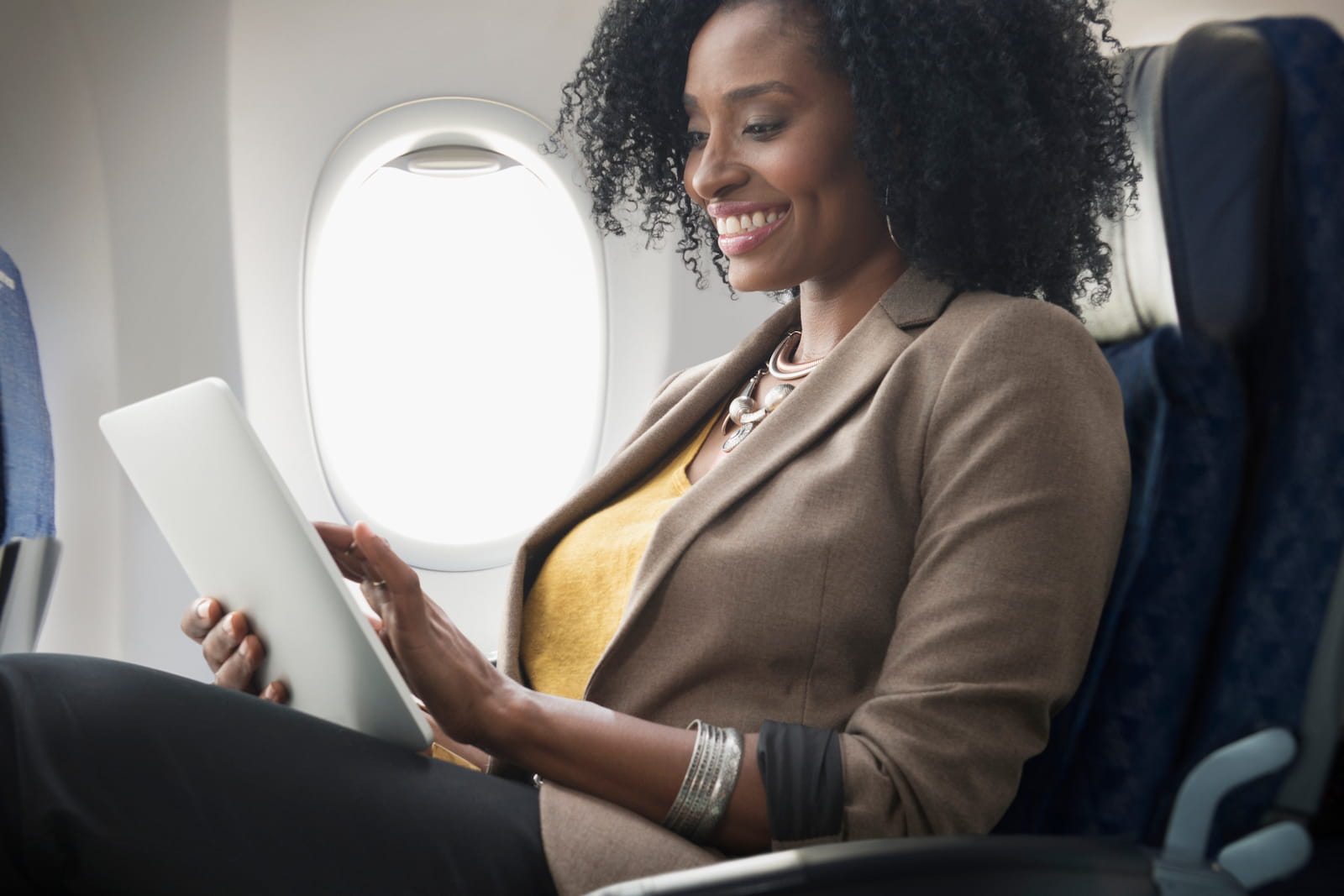
Planning for a long flight can come with various challenges. When you have a chronic condition like fibroids, the list of potential issues may get even longer. Depending on the type of fibroids you’re dealing with and your typical symptoms, being on a long flight can go from being simply uncomfortable to significantly painful. If you need to fly, though, your best bet is to manage your symptoms and prepare for the likely outcomes. Here’s what you need to know.
Fibroids are non-cancerous growths in the uterus that can affect up to 80 percent of American women before they reach 50. While some women can have fibroids without any issue, researchers estimate that as many as 30 percent experience symptoms that are severe enough to significantly disrupt their lives. These symptoms can include heavy menstrual bleeding, bleeding in between periods, lower back pain, pelvic pain, longer or more frequent periods, frequent urination, constipation, bloating, being unable to empty the bladder, and painful sex. Additionally, some women may have a higher likelihood of developing urinary tract infections because they can’t fully empty their bladders. Having heavy menstrual bleeding can also lead to anemia.
As you may expect, symptoms like lower back pain, frequent urination, bleeding between periods, and pelvic pain can make traveling difficult. This is especially true if you’re dealing with a long flight. So, what can you do about it?
RELATED: Living with Fibroids: 5 Ways to Reclaim Your Energy
Select your seat with your needs in mind. Choosing an aisle seat makes it easier for you to go to the bathroom or get up to move around without feeling as if you’re bothering the person beside you.
If your fibroids press on your bladder, it’s likely that you have to urinate more frequently than others. Sitting for several hours can also raise the risk of a blood clot, which is important to keep in mind if you’re taking estrogen-containing medications or other hormone therapies that increase clot risk. When it is safe to do so, get up and walk periodically, flex and extend your ankles, and avoid sitting in one position for the entire flight.
It’s a good idea to pack a fibroid emergency kit in your carry-on luggage. This kit should include extra absorbent menstrual supplies, multiple changes of underwear, and a change of clothes.
If you take medication for fibroid symptoms, keep it in your carry-on rather than checked luggage. When possible, leave it in its original labeled packaging. If you are traveling internationally, check the destination country’s rules for bringing medications.
Pain relievers can be essential when traveling with fibroids. While over-the-counter medication may be effective, it’s not a bad idea to ask your doctor if bringing prescribed ones would be beneficial (assuming your destination doesn’t have rules against bringing them). Since you’re going to be on a long flight, it’s better to have them and not need them.
A heating pad or hot water bottle can help alleviate cramps, lower back pain, or pelvic pain during your flight. If you plan to bring one, check that it’s designed for travel and meets the airline’s safety regulations.
Sometimes, people forget that supplements are important too. If you take supplements as part of managing your condition, bring them with you so you don’t run into any issues while traveling. For example, some people with fibroids take iron supplements because their heavy bleeding has caused anemia.
Depending on the location of your pain and where you’re seated, a pillow or cushion can help you to be more comfortable. Placing the cushion against your lower back or between your legs can ease the pain in your back or pelvis.
Getting some rest during the flight may also help. Do your best to get comfortable so you can sleep when possible.
When you’re traveling, try to stay hydrated and eat healthily. It’s best to avoid alcohol, as it can dehydrate you and send you to the bathroom even more frequently.
While this may not necessarily help alleviate your symptoms, it can help you keep valuable information you may need to tell your doctor. Prolonged sitting may affect your symptoms in ways that you haven’t experienced or considered. Noting what changed may tell your doctor more about what’s going on in your body.
It’s important to note that fibroid symptoms can be unpredictable for some people. If you haven’t taken a long flight since your diagnosis or it’s been a long time, it’s a good idea to talk to your doctor about how it may affect you. Sometimes, fibroids grow larger than expected and can cause problems with sitting for long periods. Depending on the type of fibroids you have and where they’re located, they may or may not have worsened your symptoms, so it’s possible to have more or larger fibroids without knowing.
In this case, it may be helpful for your doctor to re-examine you or even request imaging tests to confirm the current state of your fibroids. This step can help to determine the way forward, as there may be a link between different types of fibroids and the symptoms they cause. The possible types of fibroids are:
With this information, your doctor may discuss options to preemptively alleviate your symptoms before a long flight. One option includes using medication to reduce heavy bleeding, the likelihood of bleeding between your periods, or the size of your fibroids.
Depending on your symptoms, your doctor may suggest hormonal birth control, tranexamic acid, a hormonal intrauterine device, medications that reduce pain or bleeding, or medicines that temporarily lower hormones involved in fibroid growth. Some hormonal options may not be safe for people with a history of blood clots or certain other health conditions.
Procedures or surgery may also be options, but they require advance planning and recovery time. Endometrial ablation may reduce heavy bleeding in some people, but it does not remove fibroids and is not used for people who may want to become pregnant in the future.
Fibroids can significantly affect your everyday life in various ways. One of them is changing how you approach taking long flights. If you need to travel, make sure to talk to your doctor as soon as possible to discuss your options. Even then, it’s good to have a plan that you can use to alleviate any discomfort you may have during the flight.


By subscribing, you consent to receive emails from BlackDoctor.com. You may unsubscribe at any time. Privacy Policy & Terms of Service.