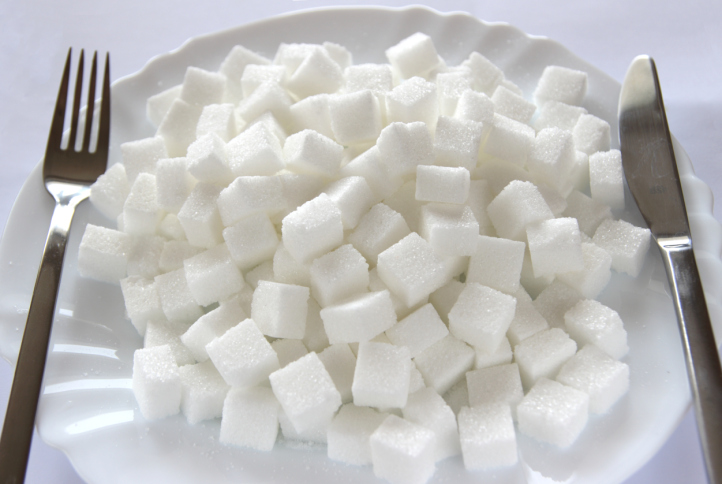
In a new study released in early September 2016, the truth just came out about the sugar industry and just how bad they are.
In 2007, Cristin Kearns ran a large group of dental practices. She was working with medical doctors to figure out ways they could provide better care for patients with diabetes, who are more likely to have gum disease. The work took her to a conference in Seattle focused on the links between the two diseases.
But as she listened to the sessions and read the materials handed out, she couldn’t get past one thing: No one was talking about about sugar.
That’s right, at a diabetes conference and no sugar talk? Something seemed a little fishy.
Even a pamphlet intended for diabetic dental patients didn’t suggest cutting back on sugar.
“I had this experience, which I found to be very strange, and I was wondering whether the sugar industry had an influence” on what was included in those patient materials, Kearns said in an interview. So she started doing her research.
MUST READ: Sugar Is The Most Addictive Substance In America
Today, as a postdoctoral researcher at the University of California, San Francisco, Kearns is publishing research based on the documents that her casual Googling led to: a trove of confidential documents, correspondence, and other materials that detail the relationship between the sugar industry and medical researchers in the 1960s and ’70s that folks are calling the “Sugar Papers.”
Last year, she and her colleagues revealed that the sugar industry worked with the National Institutes of Health during those years to create a federal program to combat tooth decay in children that did not recommend limiting sugar consumption. On Monday, in a paper published in The Journal of the American Medical Association, Kearns details how in the 1960s, the leading sugar industry trade group paid three Harvard researchers nearly $50,000 in today’s dollars to publish a literature review that would link fat and cholesterol—and not sugar—to increased risk of heart disease.
The Sugar Research Foundation, which is now called the Sugar Association, “set the review’s objective, contributed articles for inclusion, and received drafts,” according to the paper.
In other words, they changed test and knew all the answers.
When the New England Journal of Medicine published the two-part review in 1967, the foundation’s funding and involvement was not disclosed.
“The review concluded there was ‘no doubt’ that the only dietary intervention required to prevent CHD [coronary heart disease] was to reduce dietary cholesterol and substitute polyunsaturated fat for saturated fat in the American diet,” Kearns and her coauthors wrote.
Wow.
In 1980, the federal government released the first-ever Dietary Guidelines, which recommended that Americans limit consumption of saturated fats and cholesterol. Americans were advised to “avoid too much sugar” but not because…
…of diet-related disease: “The major health hazard from eating too much sugar is tooth decay,” according to the guidelines. Throughout the ’80s and ’90s, low-fat foods and diets dominated the American consumer landscape—no one, it seemed, was paying attention to the role of sugar, which was increasingly sneaking its way into a host of products both savory and sweet to make up for the flavor that was lost when fats were removed. Despite all the tubs of margarine, boxes of Snackwell’s cookies, and egg-white omelets, Americans did not get healthier as they astutely tried to avoid fats; rates of obesity, diabetes, metabolic syndrome, and other diet-related disease have instead spiked as sugar consumption has increased.
The FDA’s new Nutrition Facts requirements—printed on all packaged foods in the U.S.—go into effect in 2018, the label will include a line for “added sugars”; the American Heart Association recently announced strict intake recommendations for children; and soda tax measures have passed in both Berkeley, California, and Philadelphia, with a number of other cities to vote on their own measures in November. In 2016, it isn’t too hard to find someone who will tell you that sugar is addictive, poisonous, or both.


By subscribing, you consent to receive emails from BlackDoctor.com. You may unsubscribe at any time. Privacy Policy & Terms of Service.