Menu

Understanding Deep Vein Thrombosis

Table of Contents
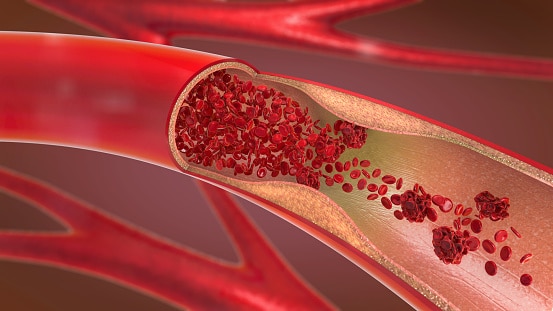
3d illustration of a constricted and narrowed artery and the blood cannot flow properly called arteriosclerosis

Deep vein thrombosis (DVT) is a condition wherein a blood clot forms deep in the leg. In terms of DVT statistics, it is experienced by approximately 900,000 Americans per year, with as many as 60,000 to 100,000 dying as a result.

Causes of DVT

DVT can occur due to many causes, including but not limited to:

  • Damage to the interior of a vein from surgery, trauma or even an immune response
  • The presence of estrogen in the bloodstream may predispose some people to DVT
  • Various genetic conditions
  • Limited movement, such as on a long transatlantic flight or protracted bed rest
  • Pregnancy
  • Inflammatory bowel disease
  • Age over 60
  • Heart failure
  • Cancer
  • Smoking
  • Obesity
  • Clotting disorders

One may not be aware of underlying genetic disorders, but smoking, obesity and the lack of movement and exercise can be addressed through smoking cessation, weight loss and…

Featured on BlackDoctor

the awareness that prolonged sitting can predispose one to this often-painful condition.

Complications of DVT

The most dangerous complication of DVT is pulmonary embolism, a life-threatening medical emergency caused when a piece of a clot in the leg breaks off, travels to the lungs and blocks blood flow to a portion of the lung.

Pulmonary embolism manifests with any combination of the following symptoms:

  • Severe and acute shortness of breath (dyspnea)
  • Sharp chest pain upon inhaling deeply that can mimic a heart attack (myocardial infarction)
  • A cough that may produce blood or blood-tinged sputum
  • Rapid heartbeat that may or may not be irregular
  • Dizziness
  • Pain or swelling of the lower leg (related to DVT)
  • Fever
  • Skin that is cold or clammy to the touch, and potentially discolored with a blue hue (cyanosis).

Another potential complication of DVT is postphlebitic syndrome, which occurs in approximately five percent of cases. The symptoms of this condition include:

  • Changes in skin color
  • Itchiness (pruritis)
  • Leg edema (swelling)
  • Lymphedema
  • Numbness
  • Leg ulcers
  • Skin infections

Diagnosis and treatment

There are several…

 common symptoms of DVT, which include:

  • Redness of the leg
  • Leg swelling
  • Pain, often in the calf
  • Warmth

Despite common symptoms, many individuals afflicted with DVT are entirely asymptomatic. DVT can be diagnosed by physical examination and an ultrasound of the leg. DVT is generally treated with blood-thinning medications that help make the blood less likely to clot, and medications, called thrombolytics, can be injected to break up existing clots.

For chronic DVT, or a person unable to take blood thinners, a filter can be placed in the vena cava (the largest vein in the body) to “catch” clots on the way to the lungs. Compression stockings can help increase “venous return” of blood back to the heart from the lower legs. Elevating the feet on a regular basis is also recommended for prevention of DVT, and regular exercise can help the muscles to squeeze the veins and increase venous return.

Education is key

Like any potentially life-altering or life-threatening condition, knowing the signs and symptoms of DVT can help an individual seek medical treatment in a timely manner. Understanding the causes of DVT  is also prudent, as is knowing how to prevent this condition through lifestyle adjustment (e.g.: weight loss, smoking cessation, exercise and avoiding prolonged sitting).

We cannot live in fear of DVT and pulmonary embolism, of course, but we can be educated patients and healthcare consumers who know when to act, and how to prevent the unnecessary complications of this relatively common condition.


SHARE
Related Stories
Answer the question below

Gout Survey

People with gout often have sudden, painful flares of joint swelling and redness. How many gout flares have you experienced in the last 12 months?
Have you ever received intravenous medicine for your gout?

Get our Weekly Newsletter

Stay informed on the latest breakthroughs in family health and wellness. Sign up today!

By subscribing, you consent to receive emails from BlackDoctor.com. You may unsubscribe at any time. Privacy Policy & Terms of Service.

More from BlackDoctor

Where Culture Meets Care

BlackDoctor is the world’s largest and most comprehensive online health resource specifically for the Black community. BlackDoctor understands that the uniqueness of Black culture - our heritage and our traditions - plays a role in our health. BlackDoctor gives you access to innovative new approaches to the health information you need in everyday language so you can break through the disparities, gain control and live your life to its fullest.
✦ AI Search Disclaimer
This AI-powered search tool helps you find relevant health articles from the BlackDoctor.org archive. Please keep the following in mind:
✦ For Informational Purposes Only
The information provided through this AI search is for general educational and informational purposes only. It is not intended as a substitute for professional medical advice, diagnosis, or treatment.
✦ Always Consult a Healthcare Provider
Never disregard professional medical advice or delay seeking it because of something you have read through this search tool. If you have a medical emergency, call your doctor or 911 immediately.
✦ AI Limitations
This search tool uses artificial intelligence to help match your queries with articles in our archive. While we strive for accuracy, AI-generated results may occasionally be incomplete, outdated, or not fully relevant to your specific situation.
✦ No Doctor-Patient Relationship
Using this search tool does not create a doctor-patient relationship between you and BlackDoctor.org or any healthcare provider.
Explore over 35,000 articles and videos across black health, wellness, lifestyle and culture
Full AI Search Experience >
×

Download PDF

Enter your name and email to receive the download link.

BlackDoctor AI Search