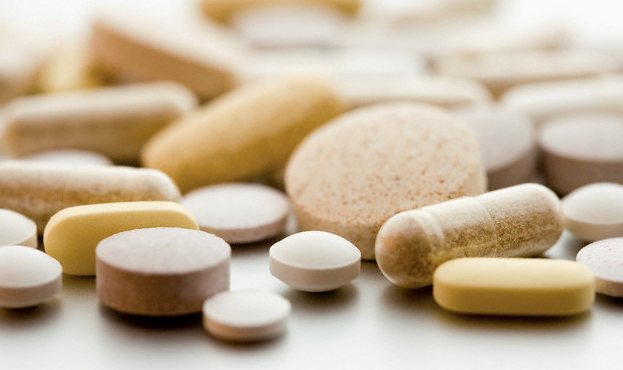
(BlackDoctor.org) — A common but frequently overlooked nutrient deficiency could be putting African-Americans at greater risk for heart disease and stroke.
According to the National Research Journal, nearly 82 percent of African-Americans face vitamin D deficiency – that’s more than twice the national average. Low vitamin D levels are associated with arterial stiffness, which is a known risk factor for both heart disease and stroke, two of the leading causes of death among African-Americans.
Why? For one, pigmentation reduces vitamin D production in the skin. Second, as many as three in four African-Americans are lactose intolerant, according to the National Institute of Arthritis and Musculoskeletal and Skin Diseases, which may lead to reduced consumption of vitamin D-fortified dairy products.
Unfortunately, taking extra supplements alone is not the answer, since taking more than 4,000 IU a day puts you at risk for vitamin D toxicity.
Why is vitamin D deficiency so harmful?
• Vitamin D promotes calcium absorption and is needed for bone growth and restoration.
•
Without sufficient vitamin D, bones can become thin, brittle, or
misshapen. Together with calcium, vitamin D also helps protect older
adults from osteoporosis.
• A growing body of research suggests
that vitamin D might play some role in the prevention and treatment of
type 1 and 2 diabetes, hypertension and multiple sclerosis, among other
health issues.
• In 2000, University of North Carolina Chapel
Hill doctors reported an increase in the reported number of rickets
cases among breastfed babies, especially among African-Americans.
•
Studies suggest that more than one-third of Americans are vitamin D
deficient. Nearly 82 percent of African-Americans face vitamin D
deficiency.
• Low vitamin D levels are associated with arterial
stiffness. This is a known risk factor for both heart disease and
stroke, two of the leading causes of death among African-Americans.
What are the symptoms of vitamin D deficiency?
Some of the symptoms associated with vitamin D deficiency include:
• Vitamin D deficiency causes muscle weakness and pain in children and adults. However, for many people, symptoms are subtle.
•
Low vitamin D can cause skeletal disorders, such as rickets in children
and bone loss in adults, and has been linked to an increased risk of
hip fractures.
• Vitamin D deficiency can be linked to a variety
of health problems for newborns, such as seizures, juvenile diabetes and
lower respiratory tract infections.
• Vitamin D deficiency in
children has been associated with cardiovascular risks – including
higher diastolic blood pressure and hypertension – and lower calcium
levels.
• Health concerns affecting seniors, such as osteomalacia and depression, have been also linked to vitamin D deficiency.
• Without sufficient vitamin D, bones can become thin, brittle, or misshapen.
So what’s the solution?
Due to the unique challenges that Blacks face when it comes to meeting their vitamin D needs, it’s important for them to talk with their doctors about getting their vitamin D levels tested, and then determining optimal sources of vitamin D to improve their levels.
• Your physician can check your vitamin D level with a blood test.
• An example of one of these tests is Abbott’s ARCHITECT 25-OH Vitamin D assay, which can measure the stable form of vitamin D, 25-hydroxyvitamin D (25-OH vitamin D), in a person’s body. 25-OH vitamin D is established as the appropriate measurable indicator of vitamin D status because it is stable and easily measured.
How can you improve your vitamin D levels?
• Talk to your doctor.
• Get some sun. Vitamin D is called “the sunshine vitamin” for a reason—your body processes vitamin D from sunlight. Studies suggest that 5–30 minutes of sun exposure midday, at least twice a week to the face, arms, legs, or back without sunscreen usually lead to sufficient vitamin D levels for most people.
• Eat foods with vitamin D. Fortified milk and other calcium-rich foods, fortified orange juice, eggs (yolks included), fortified cereals, salmon, liver and mushrooms are all examples of foods that are sources of vitamin D.
• Use supplements with caution. Supplements can be a good, easy source of vitamin D. However, be sure to talk to your healthcare provider before taking supplements, particularly because too much vitamin D can result in toxicity.


By subscribing, you consent to receive emails from BlackDoctor.com. You may unsubscribe at any time. Privacy Policy & Terms of Service.