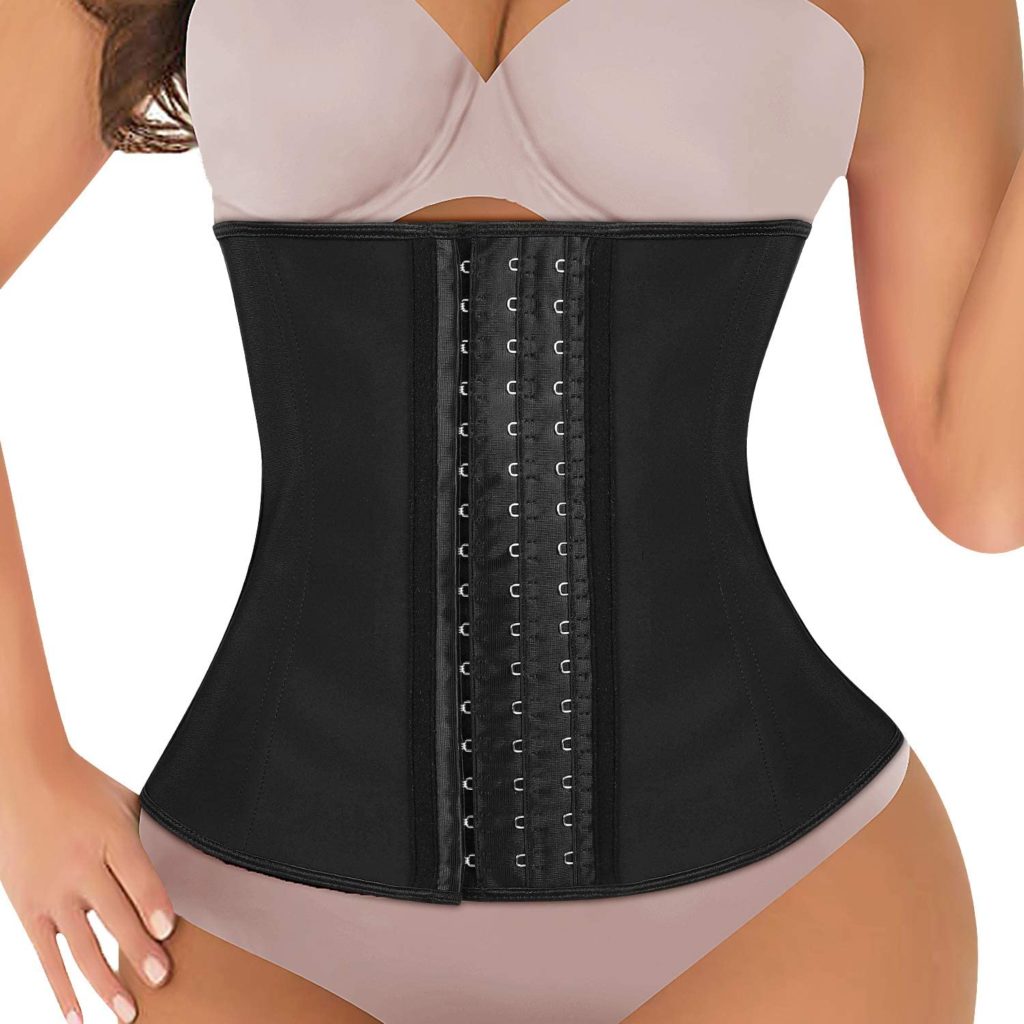
The practice of waist training has been around for thousands of years for the sole purpose of reducing a woman’s waist size and achieving an hourglass figure. It has roots as far back as ancient Egypt but the most notable era of waist training popularity was the Victorian Era.
It was during this time that intense waist training was widespread. During this era, women began to desire waists so small, you could almost fit your hands around them. It wasn’t out of the ordinary for women to take extreme measures, putting their bodies and overall physical health at risk to have a tiny waist.
Fast forward to today: After periods of on and off popularity women are again falling victim to overwhelming social pressure to have increasingly smaller waistlines. Today’s waist training movement has taken on a much different and modern form gaining even more popularity through celebrity-sponsored social media posts.
Some people compare waist trainers to body shapers or waist cinchers but there’s a huge difference: waist trainers are meant to be worn regularly and tightened over time. Similar to a girdle, a waist trainer pulls in a person’s midsection as tight as possible.
The idea behind this is that the pulling action instantly produces a sleeker, smaller waist. In the 1850s, steel boning (steel rods used to stiffen the corset) and metal eyelets for the laces were added to corsets, making tight lacing, and the modern practice of “waist training,” possible. Waist trainers are not to be confused with waist cinchers.
A waist cincher is designed to provide a slimming effect underneath your clothes and will usually shave an inch or two from your waistline but only while it’s on your body.
If you carry your weight in your tummy, a waist cincher can help give you more of a waistline, but not the hourglass curves of a steel boned corset. Waist training is the process of progressively tightening the corset over a period of weeks and months to pull in the ribs and even do a bit of rearranging internal organs to help achieve a smaller and smaller waist size.
Corsets will instantly take more inches off your waist (generally 3” to 6”, depending on your body type and the amount of fat you carry around your midsection). Waist trainers are believed to help you to re-shape your body over time (like braces for your teeth) because they can be continuously adjusted through tightening.
Understanding the differences between steel-boned corsets and latex waist trainers is also a very important part of educating yourself before you consider purchasing and using one.
Steel boned corsets are constructed from a strong, yet flexible fabric (cotton/satin/leather) that is reinforced with steel boning (flexible steel rods) to give the corset great strength for cinching in your waist and accentuating the curve of your hips and bustline. Waist trainers usually consist of a combination of tough fabric such as neoprene or other sturdy fibers.
Some have hooks, velcro, lacing, or other strong fasteners to hold it tightly in place. The common criticisms of waist training, including bruised ribs, acid reflux, shallow breathing, and back pain. Some manufacturers say this is often the result of taking waist training to the extreme such as tightening too early or wearing a garment that is sized incorrectly.
CHECK THIS: Help! Should I wear the waist trainer or not?
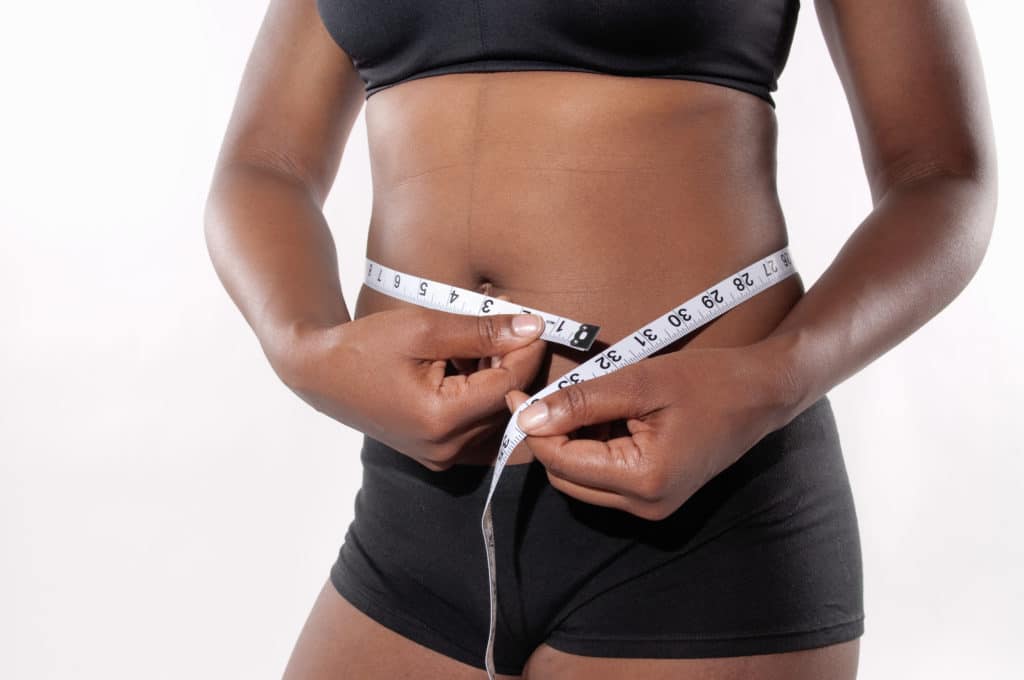
Not exactly. Instead, there are three main things happening:
Waist trainers are made of a thick elastic fabric such as neoprene. They’re meant to be worn snugly around your midsection, to be worn regularly, and to be tightened over time. Waist trainers provide a waist slimming effect, but it is only temporary.
Waist training is similar to fad diets, it may provide some temporary waist thinning, but it ultimately does not provide a safe, long-term solution. Long-term use of waist trainers can also lead to internal organ damage.
Squeezing the midsection with constant force will likely cause internal organs such as the liver and kidneys to shift into unnatural positions. The shifting of organs due to a waist trainer may also affect the digestive organs such as the esophagus, stomach, and intestines.
As well as interfering with digestion, the constant pressure can force stomach acid back up into the esophagus, causing heartburn. Waist training can also make breathing difficult. A person looking to slim their waist should probably just consider sustainable dietary and exercise changes instead.


By subscribing, you consent to receive emails from BlackDoctor.com. You may unsubscribe at any time. Privacy Policy & Terms of Service.