Menu

The Secret to Weight Loss in Your 30s, 40s and 50s

Table of Contents

Summary

✦ Walking can effectively aid in weight loss, especially when combined with brisk intervals, which can significantly enhance fat loss compared to moderate strolling, according to University of Virginia researchers.

✦ Power walking three times a week, coupled with moderate-speed walks, resulted in significantly greater fat loss, including over two inches off the waistline and nearly eight pounds lost in just 16 weeks.
✦ Dr. Ayoob emphasizes that walking is accessible to nearly everyone and highlights the importance of commitment, aiming for at least 60 minutes of walking weekly to achieve weight loss goals.
✦ Different age groups require tailored walking plans; in your 30s, focus on building endurance and strength, while in your 40s and 50s, prioritize balance, mobility, and injury prevention.
✦ Incorporating brisk walking, mindful walks, and posture-enhancing techniques can help individuals maintain physical health, reduce stress, and support overall well-being as they age.
✦ Summary Created with AI
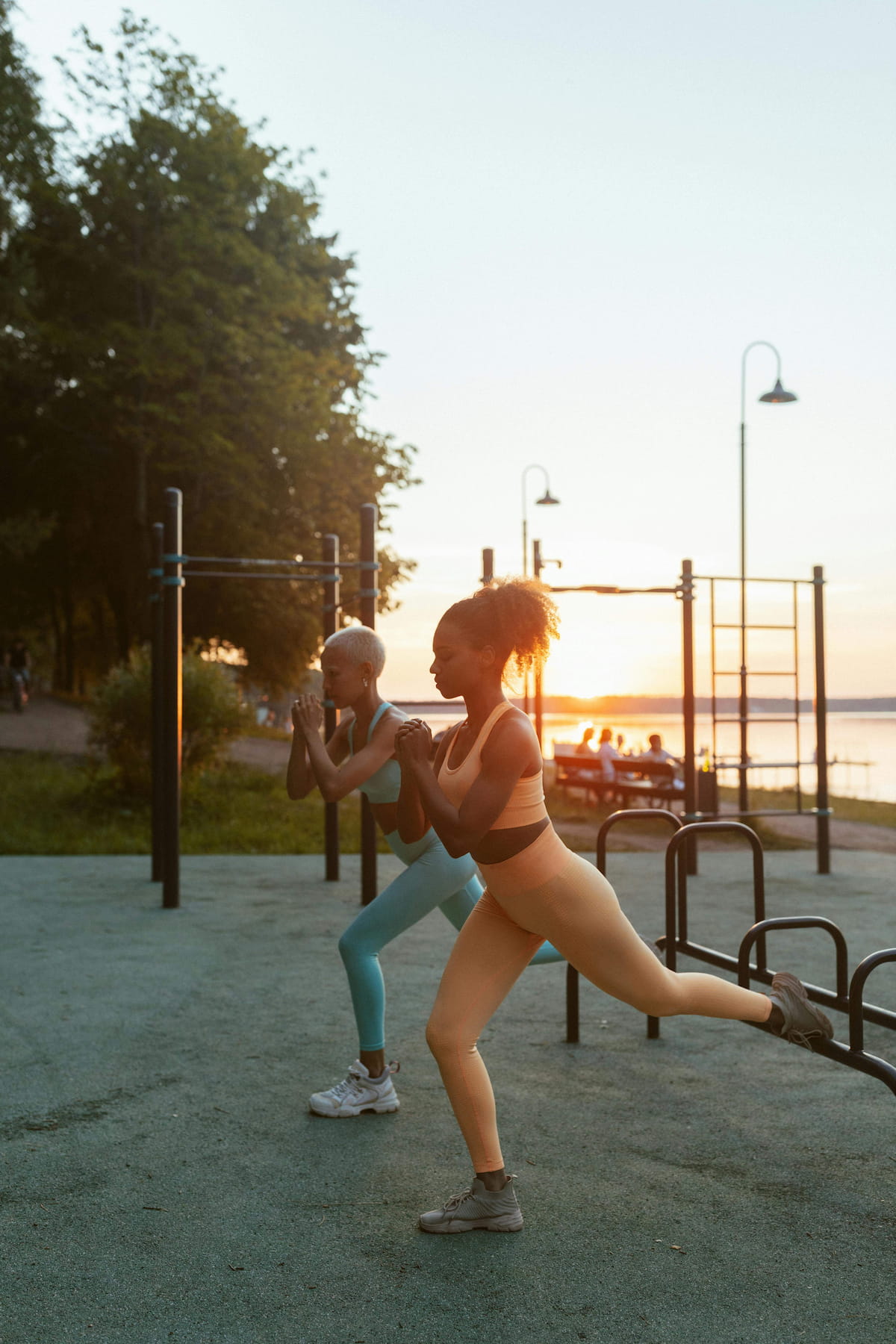
Two women exercising outdoors at sunset. One in peach activewear performs a Bulgarian split squat, while the other in blue activewear squats behind her. They are on a green outdoor gym surface with a lake and trees in the background.
Health conditions are often genetic, but consistent fitness — at any age — can be the best defense.

Are you thinking about walking to achieve your weight loss goals, but don’t know where to start?

Here’s what you need to know to stroll your way to weight loss, at any age.

According to researchers from the University of Virginia, intensity is key.

Featured on BlackDoctor

In fact, women who power-walked three times weekly for a short period – in addition to two longer, moderate-speed walks – lost 5 times more belly fat than those who simply strolled at a moderate pace five days a week. Both groups burned the exact same number of calories, about 400 per workout.

However, those who picked up the pace also dropped more than two inches from around their waistlines, trimmed about 3 times more fat from their thighs, shed 4 times more total body fat, and lost almost eight pounds over 16 weeks – all without dieting.

The best part?

“Nearly everyone can do it. It takes only some shoes and you can do it anywhere and in any season,” Keith-Thomas Ayoob, EdD, RD, FAND, Associate Clinical Professor at the Albert Einstein College of Medicine in New York City, tells BlackDoctor.org.

How Much Walking Do You Need to Do to Lose Weight?

To gauge how walking may impact your weight loss goals, Dr. Ayoob provides this example: “2000 steps is about a mile, and for a 150-lb person, that burns up about 95-100 calories. If you burn about 3500 calories, it’s a pound of body fat.”

Keep in mind that the amount you shed is based on body weight.

“Smaller people will burn less, larger people and those with a lower fitness level will burn more calories,” he shares.

As for the age-old question, ‘Can you walk off 10 pounds?’ Dr. Ayoob confirms, “Sure! 35 miles would be about 10 pounds.” But, “be patient,” he adds. “Technology trains us to get everything instantly. Bodies are different and always have worked more slowly than technology. Accept that as normal.”

Walking for Weight Loss: Best Practices

While no fitness plan is foolproof, one key to success is overcoming challenges.

“Everything changes with age. You might have to forego walking up hills or trim the time you walk back a little,” says Dr. Ayoob, adding that there are simple tips one can follow to achieve their goal.

  1. COMMIT! Make it a daily thing. Or, at least 5 days per week. Walk different routes when you walk outside to keep boredom away.
  2. BRISK walking — not strolling — is the way to make this work. What’s brisk walking? Walking as though you have to get somewhere on time. No dilly-dallying.
  3. Walk after a meal. It helps prevent blood sugar from spiking as much and you can burn some of the meal calories before they get deposited into fat tissue. “Walking after eating can also help reduce reflux symptoms because the movement of walking helps release air you may have swallowed during eating,” according to Dr. Ayoob.
  4. Aim for 60 minutes daily, but build to it if you’re out of shape.
  5. Do what you can, when you can. It doesn’t have to be an hour straight. Short walks count towards 60 minutes, and they help keep your metabolism from slowing down. Taking those stairs and walking to the corner for a newspaper all help, especially if you walk briskly.

Moderate exercise, like walking, also helps you to know when you’re hungry and when you’re really not. This can help reduce mindless eating and the pounds, says Dr. Ayoob.
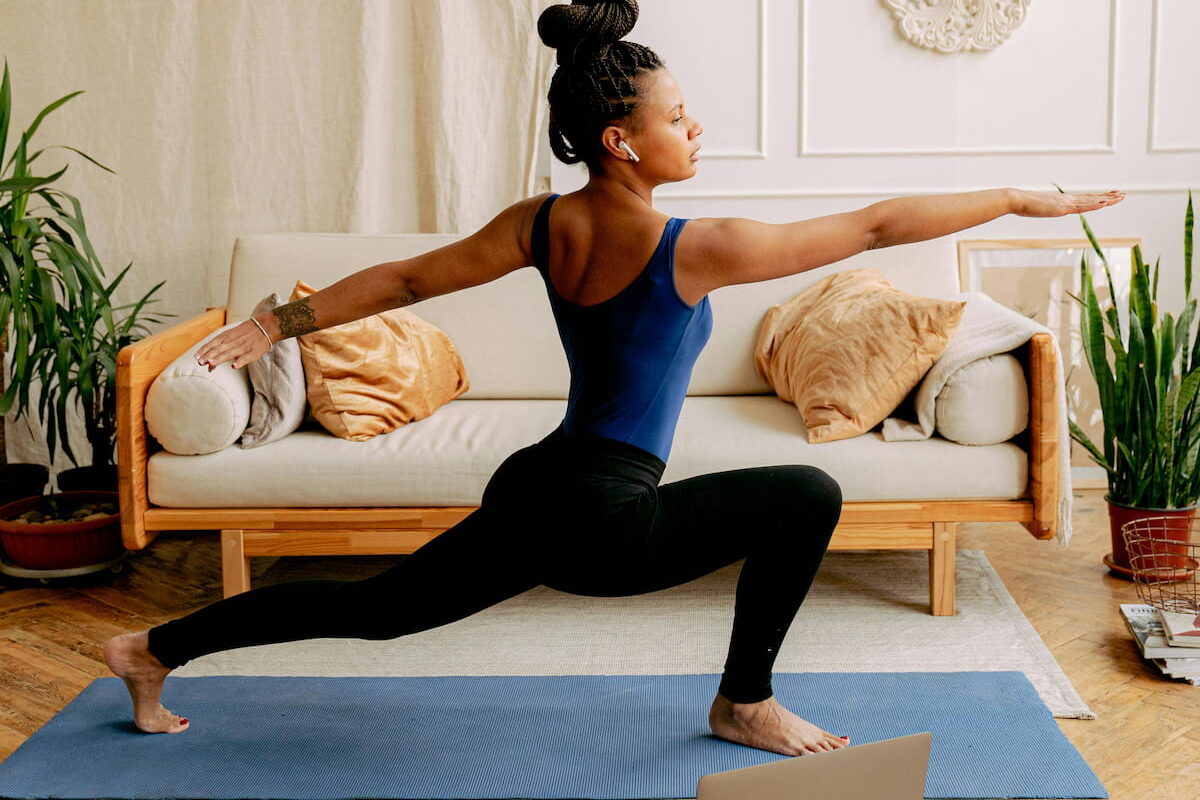
A woman in a blue leotard and black leggings practices yoga on a blue mat at home, following a class on a laptop. She is in a Warrior II pose, with arms extended and looking forward. A sofa, plants, and decorative wall art are in the background.
Yoga helps establish a strong core in your 30s.

In Your 30s: Building Endurance and Strength

Your 30s are the perfect time to set a strong fitness foundation. Your metabolism may start to slow slightly, but your body still recovers quickly, so it’s the ideal stage to push for endurance and intensity.

Goals:

  • Maintain lean muscle mass
  • Boost stamina
  • Relieve stress and support hormonal balance

Walking Plan:

1. Power Walk Intervals (30–40 minutes, 3–4x per week)

  • 5-min warm-up at an easy pace
  • 1-min brisk walk (fast enough that talking is harder)
  • 2-min moderate recovery pace
  • Repeat intervals for 25 minutes
  • Cool down for 5 minutes

2. Hill or Incline Walks (2x per week)

Find a route with natural hills or use a treadmill incline (5–10%). Incline walking engages your glutes, hamstrings, and core, giving your walk a strength-training effect.

3. Add Strength Moves

Every 10 minutes, pause for 10 bodyweight squats, calf raises, or side leg lifts to tone your thighs and glutes.
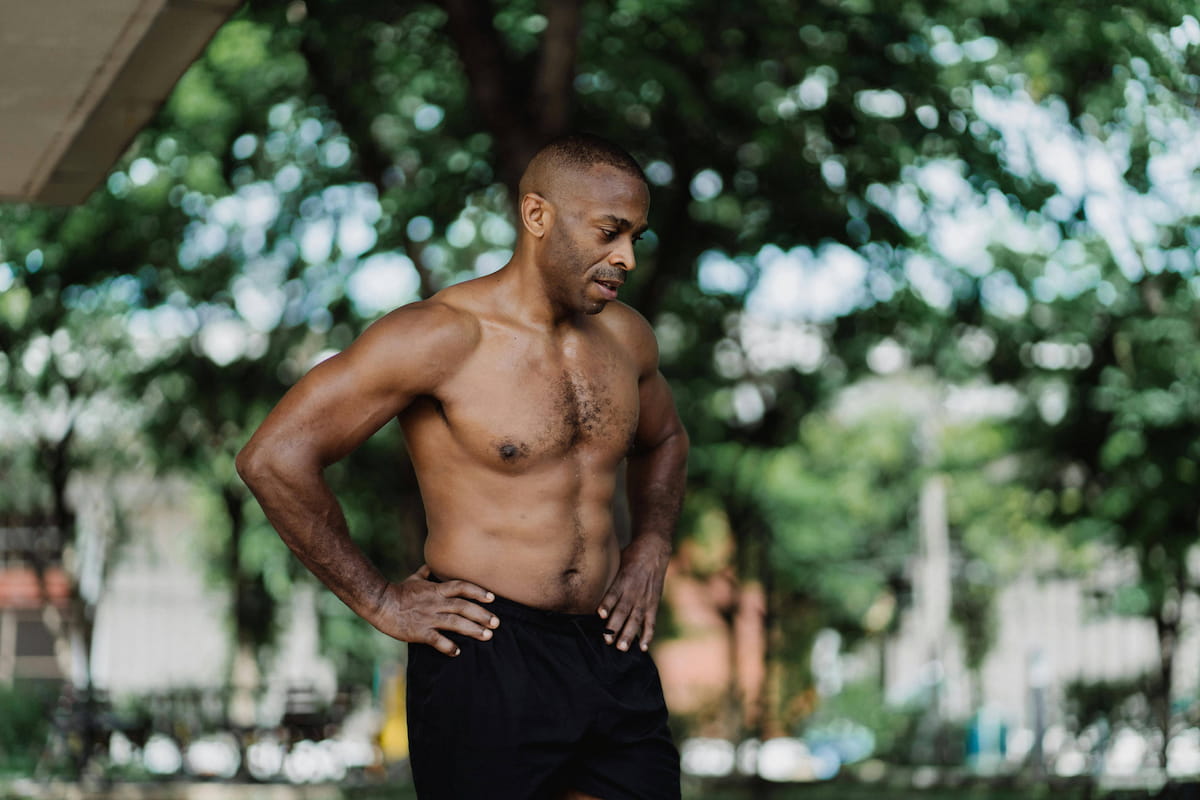
A shirtless Black man with a muscular build stands with hands on hips, looking down, against a blurred green outdoor background.
Consistency is key to sustaining fitness, health and joints in 40s.

In Your 40s: Focus on Balance, Posture, and Recovery

Your 40s are all about sustaining joint health, managing stress, and balancing hormones. Walking is one of the best low-impact ways to maintain fitness while keeping cortisol and inflammation in check.

Goals:

  • Support metabolism and weight management
  • Maintain joint mobility and bone strength
  • Prevent muscle loss

Walking Plan:

1. Brisk Morning Walks (30–45 minutes, 4–5x per week)

Start your day with a moderate-to-fast pace walk—sunlight exposure in the morning can also help regulate hormones and improve sleep.

2. Mindful Walks (2x per week)

Walk at an easy pace while focusing on your breath, surroundings, or gratitude. This reduces stress and supports overall well-being.

3. Posture-Boosting Technique:

  • Keep shoulders back and relaxed
  • Engage your core
  • Land softly on your heels, then roll forward to your toes
    Good posture strengthens your back and core while preventing pain.

4. Optional Add-Ons:

Carry light hand weights (1–2 lbs) or wear a weighted vest to increase resistance safely.
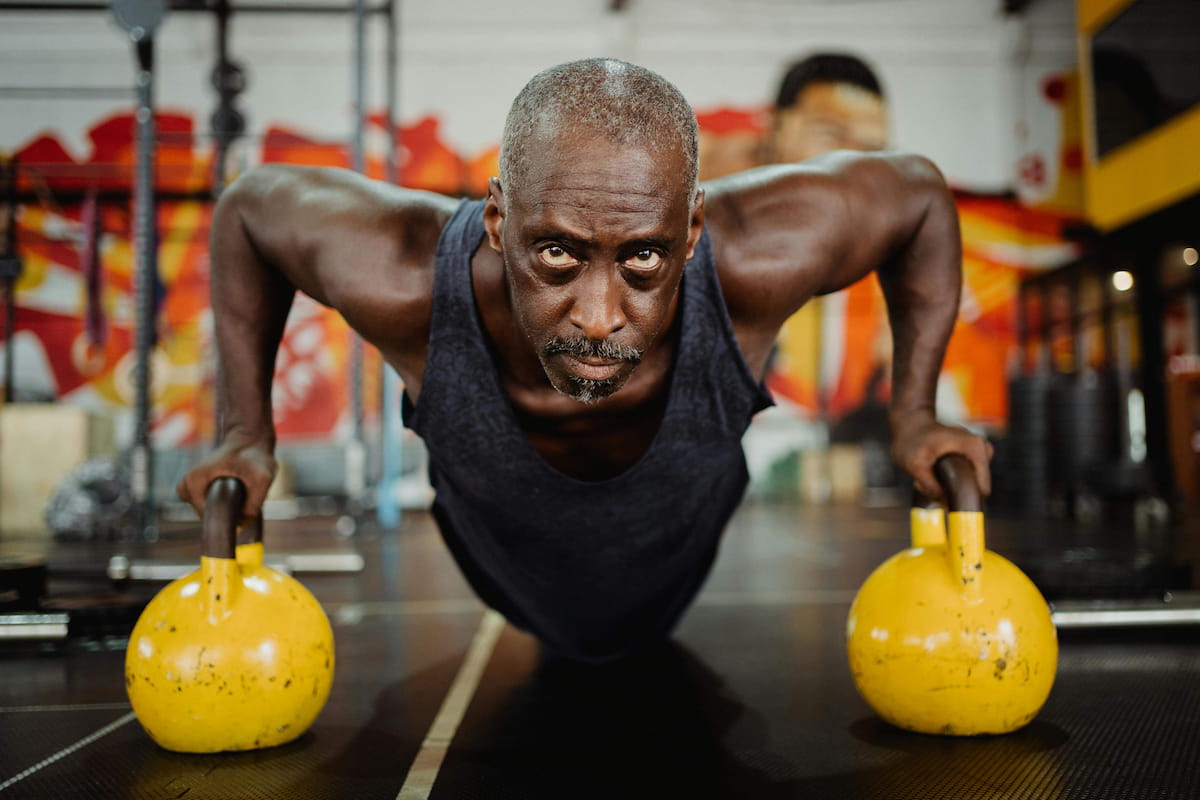
A muscular older Black man with a graying mustache and goatee, wearing a dark tank top, performs a push-up using two yellow kettlebells as handles. He looks directly at the camera with an intense expression in a gym setting.
Unwavering focus and raw strength. Pushing boundaries with every rep. 💪

In Your 50s: Prioritize Mobility and Longevity

In your 50s, your goals shift toward maintaining muscle mass, protecting joints, and improving balance. Regular walking can help lower blood pressure, improve cholesterol, and support healthy weight management.

Goals:

  • Preserve mobility and independence
  • Boost heart health
  • Prevent falls and improve coordination

Walking Plan:

1. Consistent Daily Walks (30 minutes minimum, most days of the week)

Consistency matters more than intensity here. Even a few 10-minute walks spread throughout the day can make a difference.

2. Interval Walking for Heart Health (2–3x per week)

Alternate 2 minutes of brisk walking with 2 minutes of slower recovery for 20–30 minutes total. This improves cardiovascular fitness and metabolism.

3. Flexibility and Balance Boost:

After your walk, stretch your hamstrings, calves, and hips. Add simple balance moves like single-leg stands or heel-to-toe walks to enhance coordination.

4. Add Variety:

Try scenic routes, nature trails, or walking groups for motivation and social connection—both of which support mental and emotional well-being.


Tips for Every Age

  • Track your steps: Aim for 7,000–10,000 per day (adjust as needed).
  • Mix it up: Alternate paces, terrains, and routes to challenge your body.
  • Stay hydrated: Even light sweating can deplete hydration, especially in warm weather.
  • Wear supportive shoes: Replace walking shoes every 300–500 miles to prevent pain or injury.

SHARE
Related Stories
Answer the question below

Gout Survey

People with gout often have sudden, painful flares of joint swelling and redness. How many gout flares have you experienced in the last 12 months?
Have you ever received intravenous medicine for your gout?

Get our Weekly Newsletter

Stay informed on the latest breakthroughs in family health and wellness. Sign up today!

By subscribing, you consent to receive emails from BlackDoctor.com. You may unsubscribe at any time. Privacy Policy & Terms of Service.

More from BlackDoctor

Where Culture Meets Care

BlackDoctor is the world’s largest and most comprehensive online health resource specifically for the Black community. BlackDoctor understands that the uniqueness of Black culture - our heritage and our traditions - plays a role in our health. BlackDoctor gives you access to innovative new approaches to the health information you need in everyday language so you can break through the disparities, gain control and live your life to its fullest.
✦ AI Search Disclaimer
This AI-powered search tool helps you find relevant health articles from the BlackDoctor.org archive. Please keep the following in mind:
✦ For Informational Purposes Only
The information provided through this AI search is for general educational and informational purposes only. It is not intended as a substitute for professional medical advice, diagnosis, or treatment.
✦ Always Consult a Healthcare Provider
Never disregard professional medical advice or delay seeking it because of something you have read through this search tool. If you have a medical emergency, call your doctor or 911 immediately.
✦ AI Limitations
This search tool uses artificial intelligence to help match your queries with articles in our archive. While we strive for accuracy, AI-generated results may occasionally be incomplete, outdated, or not fully relevant to your specific situation.
✦ No Doctor-Patient Relationship
Using this search tool does not create a doctor-patient relationship between you and BlackDoctor.org or any healthcare provider.
Explore over 35,000 articles and videos across black health, wellness, lifestyle and culture
Full AI Search Experience >
×

Download PDF

Enter your name and email to receive the download link.

BlackDoctor AI Search