
So you put on extra pounds during the pandemic. Your cholesterol’s too high. Maybe you need to do a better job managing blood pressure. It can feel like a lot to tackle. But taking that first step toward better health can be as easy as … taking a first step. Literally. Just putting one foot in front of the other – as often as you can. There’s a wealth of evidence showing walking improves heart and brain health and helps people live longer. Individuals who walk at least 7,000 steps per day have a 50% to 70% lower risk of dying than those who didn’t, according to a study. Walking more than 10,000 steps is even better, lowering the risk of premature death from any cause among Black and white middle-aged men and women.
Physical activity is also one of the best ways to manage stress and boost your mood, while reducing your risk for heart disease and stroke, according to the American Heart Association (AHA).
“Walking does several things to improve health,” says Barry Franklin, director of preventive cardiology and cardiac rehabilitation at Beaumont Hospital in Royal Oak, Michigan. “It lowers your risk factors for cardiovascular disease, decreases body weight and fat stores, decreases blood sugar levels, modestly improves your lipid profile and reduces chronic stress.”
And it can be done almost anywhere – even inside your home or a local shopping mall if the weather’s bad or there’s no safe place to walk in your neighborhood.
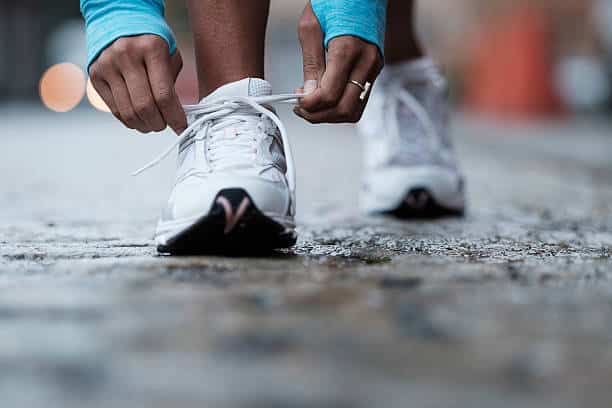
“Walking is a great way to improve your health and your mental outlook, and it doesn’t take a lot of expensive sporting equipment to do it. Put on a good pair of shoes and grab a water bottle and you’re ready to go,” says Donna Arnett, a past president of the AHA and a dean at the University of Kentucky College of Public Health, in Lexington.
“It doesn’t matter how fast or how far you walk, the important thing is to get moving,” Arnett said in an AHA news release. “Counting steps doesn’t have to be part of a structured exercise program. Increasing your everyday activity, like parking slightly further from your destination, doing some extra housework or yardwork and even walking your dog can all add up to more steps and better health.”
But how much walking does it take to make a difference?
Dr. Felipe Lobelo, director of Emory University’s Exercise is Medicine Global Research and Collaboration Center in Atlanta, uses the acronym FIT to help people remember the important components of a good walking program.
“It stands for frequency, intensity and time,” he shares.
Walk It Out: Managing Blood Sugar Levels By Walking
Federal physical activity guidelines call for 150 minutes or more of moderate-intensity or 75 minutes of
vigorous aerobic activity per week for adults, or a combination of the two. That can be done walking, says Lobelo, who also is an associate professor in Emory’s Rollins School of Public Health.
But you don’t need to do it all at once, and probably shouldn’t, he adds. “If you don’t do much during the week, trying to walk 150 minutes on a Sunday is going to leave you achy the next morning. Ideally, you should do this throughout the week.”
Walking five times a week for at least 30 minutes each time is fine, Franklin says, but so is walking for five, 10 or 15 minutes at a time as many times as it takes. “I tell patients they don’t have to put the dollar bill in the piggy bank all at one time.”
In fact, the more often you get up and move, the better. What’s bad is long periods of sedentary behavior, Lobelo says.
One study, published in The Lancet in 2011, found even 15 minutes of light exercise each day could reduce the risk of dying from any cause by 14% during an average eight years of follow-up. A study published last year in the American Heart Association journal Stroke found people with low levels of activity with eight or more hours of daily sedentary time had up to seven times higher risk of stroke than the more physically active people who reported less than four hours of sedentary time.
A popular way to measure progress is by counting steps. While the goal of 10,000 steps per day is widely promoted, a JAMA Network Open study published last year followed people for more than a decade on average and found those who took at least 7,000 steps each day were 50%-70% less likely to die than those who walked fewer.
Franklin says those steps could be taken in short spurts of exercise throughout the day. “The effects are cumulative,” he shares. “It all adds up.”
RELATED: 3 Signs Your Walking Workout Is Too Easy
Pace matters. Research published in 2018 in the British Journal of Sports Medicine found walking briskly reduced the overall risk of
dying during the study by 24%. Another in the journal PLOS One found that taking too long to walk one mile, more than 24 minutes, increased deaths from cardiovascular diseases, dementia and other causes.
But that doesn’t mean you need to take off at a run to make a difference. Research shows you can reap the same benefits for lowering blood pressure, cholesterol and diabetes risk as long as you expend the same amount of energy walking vigorously.
“There’s good data to suggest the most protective walking speed is above 3 mph,” which corresponds to more than three times the energy spent at rest, Franklin shares. “If you can get above that exercise intensity, the benefits are profound.”
The same benefits also can be gained by walking slower – just 2 mph – if you walk uphill, he says. Walking on a treadmill at this speed with a 3.5% incline works just as well. “It’s the same energy cost,” he adds. “But build up slowly.”
If you can’t tell the difference between a light, moderate and vigorous walking pace, consider how hard it is to hold a conversation while walking, Franklin suggests. At a light pace, it’s easy to carry on a conversation. At a moderate pace, “you can have a conversation but it’s not easy because you are a little winded. Vigorous is when you’re not able to have a conversation at all.”
For people unaccustomed to regular physical activity, it’s important to start slowly and work your way up to hitting that 150-minute weekly goal, Franklin says.
And don’t feel bad if you’re not able to do as much as you’d like. Just keep moving – as much as you can, at whatever pace you can manage without lightheadedness or other symptoms of overdoing it, he adds. “If you get pain or discomfort from the belly button on up and it comes on regularly, stop your exercise regimen and get checked out by a physician.”
Just remember, said Lobelo, “every step counts. Every minute counts. Anything is better than sitting.”
By the American Heart Association


By subscribing, you consent to receive emails from BlackDoctor.com. You may unsubscribe at any time. Privacy Policy & Terms of Service.