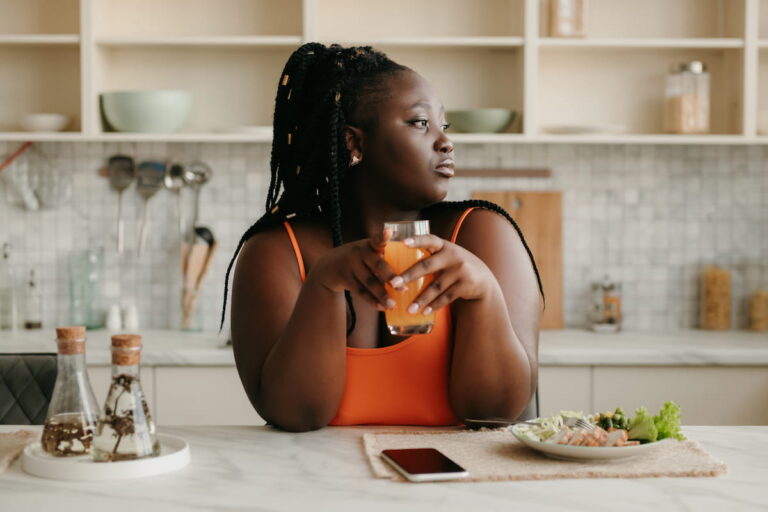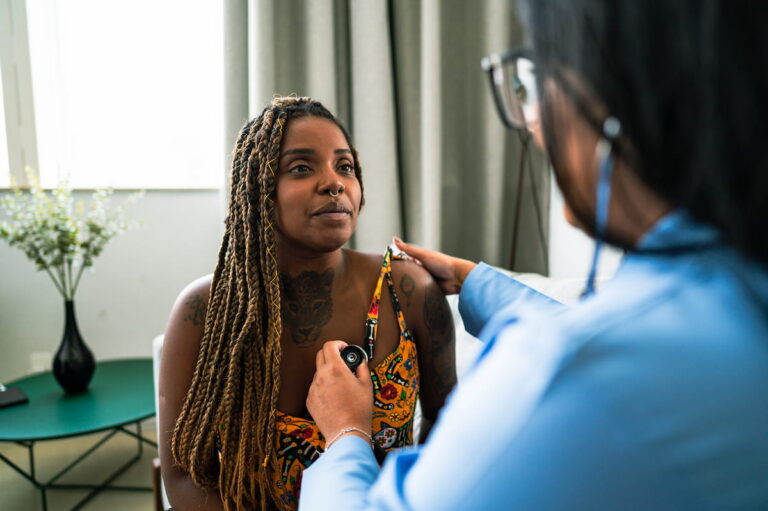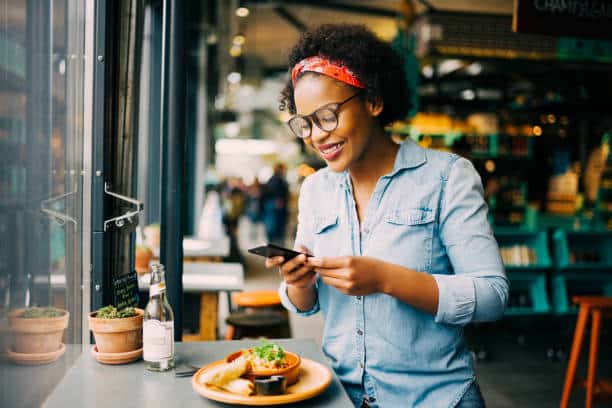
Social media can be used for anything from socializing and shopping to starting a business and getting health and nutrition advice. Most social media users get nutrition, eating, and body image messages from the accounts they follow.
What’s social media? Shared experiences, ideas, information, emotions, and feelings. It’s also where businesses, organizations, and brands present their brand and values to persuade people to buy a product or service.
While the above principles are accurate, social media reality is more complicated. People who share their experiences, ideas, information, thoughts, and emotions may want a following. However, many on social media want to be influencers as well. Influencers influence their followers’ views and behaviors for profit, rewards, or ideas. Their content, style, or both may have made them an influencer.
People who are influencers have opinions about and experiences with food and eating habits. There are endless criteria that impact their opinions and experiences, including:
In behavioral psychology, “social norm messages” persuade people to behave as closely as possible. People will strive to acquire eating habits that match societal norms. Before social media, individuals noticed eating habits and their messages. Culture, environment, economy, and access shaped societal norms. These societal standards shaped their eating habits. Social media has expanded our social networks, but real-life social factors still impact our eating patterns.
RELATED: 10 Ways Social Media Boundaries Can Protect Your Mental Health
The University of Birmingham studied how Facebook affects our eating habits.
The research evaluated whether Facebook users’ eating habits and food choices were predicted by perceived standards. It studied if food-related material in people’s social networks affected their eating patterns and preferences for:
Fruit and vegetable intake was positively correlated with perceived eating behavior standards. Users’ consumption was also influenced by perceived norms concerning energy-dense foods and sugary drinks.
This may be excellent news if social media contains healthy eating tips. It may also indicate that a network that often promotes fad diet information provides erroneous information or excludes nutrient-dense foods like fruits and vegetables may negatively affect eating patterns.
People’s eating habits are influenced by more than just food photos and dietitians’ diets. In Western society, slim, lean, big-chested, and big-bottomed female bodies and lean, muscular male bodies are desirable and linked with health and beauty.
However, a new study shows that body form and size have little to no effect on health, and beauty has always been relative. Few people also suit the Western body ideal.
This impacts social media users. Studies reveal that when feeds are overwhelmed with photos of bodies that appear to meet the societal ideal, users have decreased self-esteem, experience guilt, and feel the urge to alter their diet to lose weight, increase weight, or develop muscle in the “correct” areas. Disordered eating, frequently disguised as healthy eating, results from this mentality.
Selfie-triggered body shame affects all genders, but women and LGBTQ+ people are particularly impacted.
Advertising and sponsored promotions on social media are difficult to explain. Advertising on social media may be difficult to distinguish from conventional promotions like television commercials, magazine sections, pamphlets, billboards, pop-ups, and internet ads, which are dedicated to selling ideas, goods, and services. For-profit ads aim to make you buy.
You’ll see a photo of your cousin’s family and your friend’s book review on social media, followed by a sponsored commercial. If you don’t search for the grayed-out term with “Advertisement” or the #ad hashtag, you may not realize that a corporation paid for that article to be on your feed.
Ads receive a boost in your feed of people, businesses, and organizations you follow. How do ads affect eating? Several studies have examined how food and beverage ads affect eating habits, particularly in children and teenagers. Researchers found:
RELATED: Is Social Media Hurting Your Child?
In mainstream health and nutrition, intuitive eating, Health at Every Size (HAES), body acceptance, and body positivity are new concepts. They may not fit your health and nutrition beliefs since they are controversial.
Social media may drive food shaming and restriction, leading to guilt, trauma, and disordered eating. However, research shows that these motions have improved mental and physical wellness for individuals of various sizes. This paper summarizes how these measures reduce social media’s harmful effects on disordered eating and body image:
Any internet company needs efficient social media marketing and branding. In light of this article’s findings regarding social media’s possible effects on eating habits, mental health, and physical health, it’s crucial to examine how your content will affect your followers and leads. Online health, wellness, and nutrition coaching may boost your revenue and impact.
Here are three ways to ensure your social media content promotes long-term mental and physical wellness. At the same time, you expand your brand and company.
Give realistic advice. Most coaches’ followers aren’t nutritionists or trainers. They might have additional occupations, limited time, and finances for physical exercise and nutrition. This reduces embarrassment.
Health coaches worry more about food, exercise, and daily routines than other people. Sharing photographs of what you ate in a day, before and after pictures, weighing out your food, and calculating nutrients and calories may excite your followers or show your devotion. It may also cause guilt, disordered eating, and poor self-esteem.
If your information is honest, makes you more personable, shows how to implement your suggestions, or challenges mainstream media’s idealized, manipulated portrayals of health professionals, it may not be. Coaches and trainers of professional athletes may find this information valuable.
Children and teens increasingly access adult material. Your material may affect younger audiences, who are more vulnerable to advertising and subliminal messages.
Health professionals might transmit the impression that there is just one way to wellness by promoting stereotypical body ideals and food habits. In a world full of cultural diversity and experiences, it’s crucial to recognize that there are numerous routes to wellness.
By honoring customers’ experiences with varied origins, diagnoses, and body shapes and sizes, you are helping to change the social media environment that may contribute to disordered eating and expand your market.


By subscribing, you consent to receive emails from BlackDoctor.com. You may unsubscribe at any time. Privacy Policy & Terms of Service.