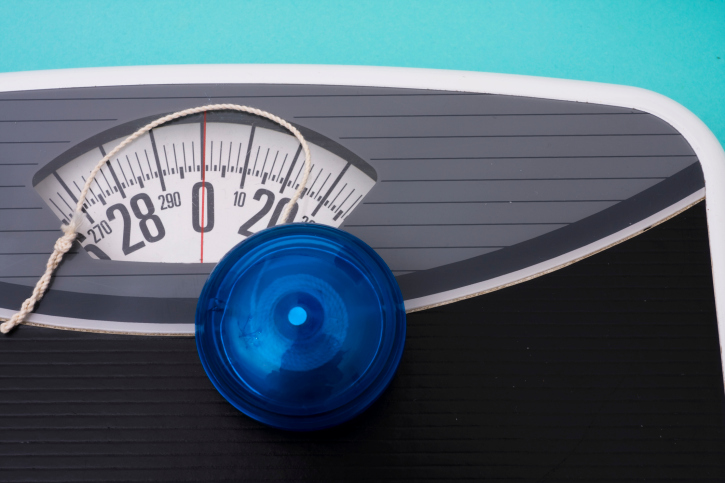
What Is Weight Cycling?
Weight cycling is the repeated loss and regain of body weight. When weight
cycling is the result of dieting, it is often called “yo-yo” dieting. A weight
cycle can range from small weight losses and gains (5-10 lbs. per cycle) to
large changes in weight (50 lbs. or more per cycle).
Is
It Harmful?
You may have heard stories in the press claiming that weight cycling may be
harmful to your health. You also may have heard that staying at one weight is
better for you than weight cycling, even if you are obese. However, no
convincing evidence supports these claims, and most obesity researchers believe
that obese individuals should continue to try to control their body weight.
Won’t
Losing It Again Be Even Harder?
People who repeatedly lose and regain weight should not experience more
difficulty losing weight each time they diet. Most studies have shown that
weight cycling does not affect one’s metabolic rate. Metabolic rate is the rate
at which food is burned for energy. Based on these findings, weight cycling
should not affect the success of future weight loss efforts. However, everyone,
whether they have dieted or not, experiences a slowing of the metabolism as they
age. In addition, older people are often less physically active then when they
were younger. Therefore, people often find it more difficult to lose weight as
they get older.
Will
Weight Cycling Leave Me With More Fat?
Weight cycling has not been proven to increase the amount of fat tissue in
people who lose and regain weight. Researchers have found that after a weight
cycle people have the same amount of fat and lean tissue as they did prior to
weight cycling.
What
About Abdominal Fat?
Some people are concerned that weight cycling can cause more fat to collect
in the abdominal area. People who tend to carry their excess fat in the
abdominal area (apple-shaped), instead of in the hips and buttocks
(pear-shaped), are more likely to develop the health problems associated with
obesity. However, studies have not found that after a weight cycle people have
more abdominal fat than they did before weight cycling.
Is
Weight Cycling Harmful to My Health?
A number of studies have suggested that weight cycling (and weight loss) may
be associated with an increase in mortality. Unfortunately, these studies were
not designed to answer the question of how intentional weight loss by an obese
person affects health. Most of the studies did not distinguish between those who
lost and regained weight through dieting from those whose change in weight may
have been due to other reasons, such as unsuspected illness or stress. In
addition, most of the people followed in these studies were not obese. In fact,
some evidence shows that if weight cycling does have any negative effects on
health, they are seen mostly in people of low or normal weight. Some studies
have looked at the relationship between weight cycling and risk factors for
illness, such as high blood pressure, high blood cholesterol, or high blood
sugar. Most of these studies have not found an association between weight
cycling and harmful changes in risk factors.
Is
Remaining Overweight Healthier Than Weight Cycling?
At this time, no conclusive studies have shown that weight cycling is harmful
to the health of an obese person. On the other hand, the health risks of obesity
are well known. The costs of obesity-related illnesses are more than $39 billion
each year. Obesity is linked to serious medical conditions such as: High blood
pressure, Heart disease, Stroke, Diabetes, Certain types of cancer , Gout, and
Gallbladder disease. Not everyone who is obese has the same risk for these
conditions–a person’s sex, amount of fat, location of fat, and family history
of disease all play a role in determining an individual’s risk of
obesity-related problems. However, experts agree that even a modest weight loss
can improve the health of an obese person.
Conclusions
Further research on the effects of weight cycling is needed. In the meantime,
if you are obese, don’t let fear of weight cycling stop you from achieving a
modest weight loss. Although health problems associated with weight cycling have
not been proven, the health-related problems of obesity are well known.
Preventing
Weight Gain
If you are not obese and have no risk factors for obesity-related illness,
focus on preventing further weight gain by increasing your exercise and eating
healthy foods, rather than trying to lose weight. If you do need to lose weight,
you should be ready to commit to lifelong changes in your eating behaviors,
diet, and physical activity.


By subscribing, you consent to receive emails from BlackDoctor.com. You may unsubscribe at any time. Privacy Policy & Terms of Service.