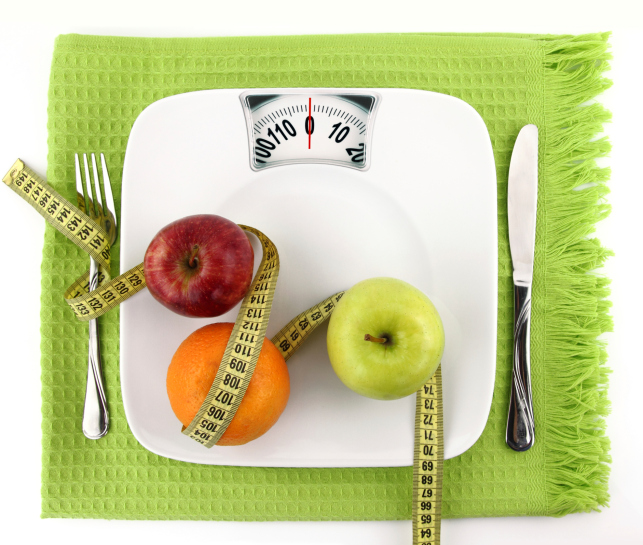
The only way to lose weight is to consume fewer calories than the body expends. Athletes desiring weight loss, need to learn how to apply this concept, while maintaining the energy levels required for training. But, before a weight loss diet is attempted, the athlete should have a body fat analysis done to assess weight loss needs and set reasonable goals. Many athletes believe they need to lose weight because of a number on a scale. However, these athletes probably have a high proportion of muscle (which weighs more than fat) compared to fat, in which case weight loss may impair performance.
Weight loss should be done by reducing calories and increasing physical activity. Avoid fad and gimmick diets that promise quick or easy weight loss. Weight loss in these cases are usually due to water and muscle loss. Fad and gimmick diets may give a quick fix, but they can have adverse effects on performance and health.
Follow these tips for healthy weight loss:
1. A gradual weight loss of 1-2 pounds a week, allows for weight loss without irritability, fatigue, and weakness.
Creating a daily deficit of 500 calories is the most efficient way to create long-term weight loss. This can be done by reducing daily caloric intake by 500 calories, increasing physical activity by 500 calories, or by combining physical activity and caloric intake to create a 500-calorie deficit.
2. Choose a variety of foods from all of the food groups in the Food Guide Pyramid.
Don’t cut calories too low. This can slow metabolism and make it difficult to consume the necessary nutrients for performance and health.
3. Don’t skip meals.
Food intake at regular intervals, three or more times a day, is necessary to fuel the body. Also, waiting until you’re “starved” to eat can lead to binge eating.
4. Eat smaller food portions.
Decreasing your portion sizes will help cut caloric intake.
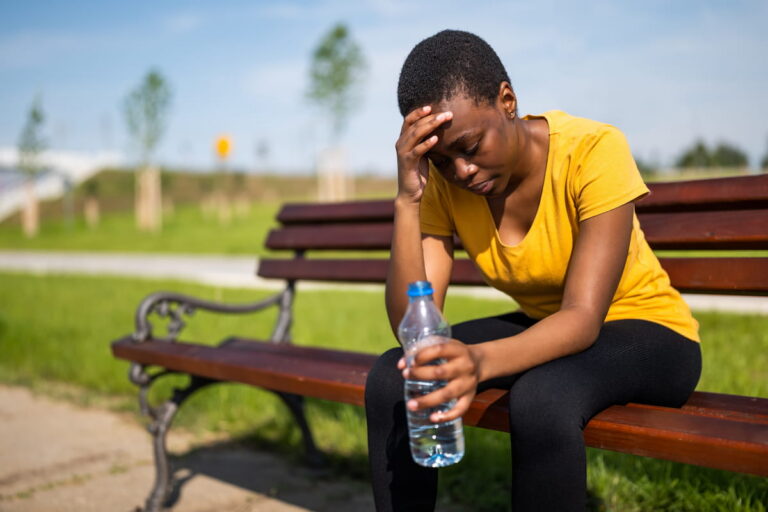
5. Drink plenty of water to prevent dehydration.
In addition to water, plain ice tea and caffeine-free, artificially sweetened drinks can also help reduce daily caloric intake and help to keep you hydrated.
6. Eat slowly.
It takes time for the body to adjust to the food eaten and to send a satiety signal to the brain. Eating slowly helps prevent overeating by allowing time for this signal to take effect.
7. Calories from all the food and drink you swallow adds up.
Some foods provide more calories than others. Foods that are high in fat, generally are higher in calories. Choosing low-fat foods can aid in weight loss by reducing total calorie intake. Loading up on foods naturally high in fiber, such as fruits, vegetables, legumes, and whole grains, and limiting high fat items like cheese, butter, oil, whole milk, red meat, and sweets will aid in these recommendations (see tips on low-fat eating and low-fat food items).
8. Don’t cut out all fat items.
Many athletes feel that fat intake is the culprit to unwanted weight gain. Although excess fat intake leads to weight gain, a certain amount of fat is necessary to maintain good health and performance.
9. Eat bigger meals earlier in the day, when activity is greatest, and smaller meals in the evening.
Eat meals and snacks throughout the day to maintain blood glucose and energy levels. During the evening, activity is usually minimal. As a result, a large meal will more likely be stored as fat. A moderate-size evening meal will help replace glycogen stores.
10. Eat your favorite foods regularly.
If you deny yourself your favorite high-fat foods, you are more likely to crave them and finally binge. Occasionally eating these foods can reduce cravings and binges. Remember, no food is taboo. Every food is okay in moderation.
Provided by National Institute of Diabetes and Digestive and Kidney Diseases


By subscribing, you consent to receive emails from BlackDoctor.com. You may unsubscribe at any time. Privacy Policy & Terms of Service.