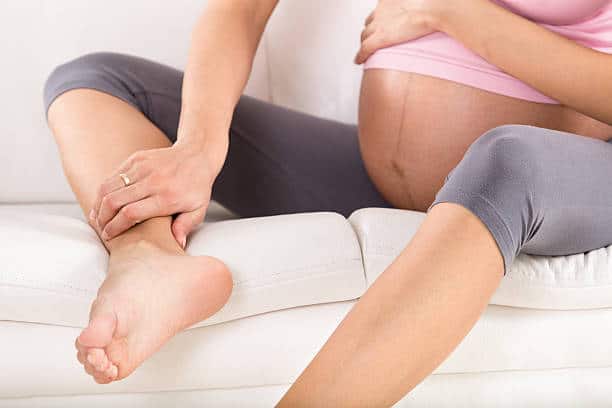
Leg cramps are a common discomfort during pregnancy. It’s unclear exactly what causes these bothersome muscle spasms, though a number of different factors may play a role. It could be a simple case of overwork: The added weight of pregnancy means your leg muscles have more to support.
Your growing baby and expanding abdomen also put extra pressure on your circulatory system, including the blood vessels that go to your legs. This can mean your leg muscles aren’t getting enough blood — a common cause of cramping. It’s also possible for the baby’s head to press on nerves that trigger leg cramps. Although the cause of leg cramps during pregnancy remains unclear, experts no longer believe calcium deficiency is the culprit.
Leg cramps tend to get worse as your pregnancy progresses, especially at night. A painful charley horse in your calf can even wake you from a deep sleep. The good news is that a few simple steps can help you treat — and prevent — leg cramps.
Q&A: Natural Remedies For Leg Cramps?
During a leg cramp, flex your toes towards your head and gently massage the affected muscle. If pain or tenderness persists, a heating pad or a warm bath may bring relief. As the tension eases, try to straighten your leg as you flex your toes upwards. When you’re able, stand up and walk around.
Prescription muscle relaxants are not advisable during pregnancy. But acetaminophen (Tylenol) may take the edge off a severe, painful cramp.
To stop leg cramps — usually in your calf muscles — from stealing your sleep at night, do a few gentle leg stretches before you turn in. Try this simple calf stretch:
Regular exercise — including walking and swimming — may also help keep cramps at bay. Remember to stretch your legs before and after any aerobic activity. Resist the urge to point your toes when you stretch or lie in bed — doing so can trigger a cramp. Instead, flex your
feet and lift your toes towards your knees. And avoid lying on your back, as this may decrease the circulation in your legs.
Drink plenty of water during the day; staying well-hydrated helps muscles contract and relax properly. Resting with your legs elevated (up on a wall or propped on pillows), wearing support stockings, and keeping your legs warm (try a bath right before bedtime) may all help ward off muscle spasms.
Sometimes cramps can occur at night because a heavy comforter or blankets weigh down on a woman’s upturned feet. To prevent this, lighten up on the blankets or lie on your side. It’s something most pregnant women end up doing, anyway.
An adequate supply of calcium is necessary to support your bones and muscles, along with those of your developing baby. It’s smart to take a calcium supplement and include plenty of calcium-rich food in your diet.
You need about 1,000 milligrams of calcium a day. Dairy products are a good source — three to four glasses of nonfat or low-fat milk do the trick. Nondairy sources of calcium include tofu, salmon, dark green leafy vegetables such as broccoli, kale, or bok choy, and blackstrap molasses. Again, calcium in pregnancy is a good idea to supply calcium for the baby’s growing bones.
There is some evidence that another mineral — magnesium — may help reduce leg muscle spasms. However, check with your doctor before taking any supplement during your pregnancy.
RELATED: 7 Lifestyle Changes That Can Prevent DVT
If your leg cramps are severe, frequent, or significantly disturb your sleep, talk with your doctor about treatments that may bring some relief. Swelling or tenderness in your leg may be signs of a condition called deep vein thrombosis (DVT), which means you have a blood clot in a vein that’s deep inside your body.
DVT requires immediate medical attention, because the clot can break off and travel to your lungs where it can prove fatal. Staying in one position for a long time — sitting on a plane, for instance — may increase the likelihood of DVT. Be sure to get up and move around when you fly or have been sitting at your desk for a while. If you have any concerns about the seriousness of your leg cramps or pain, call your doctor right away, just to be on the safe side.


By subscribing, you consent to receive emails from BlackDoctor.com. You may unsubscribe at any time. Privacy Policy & Terms of Service.