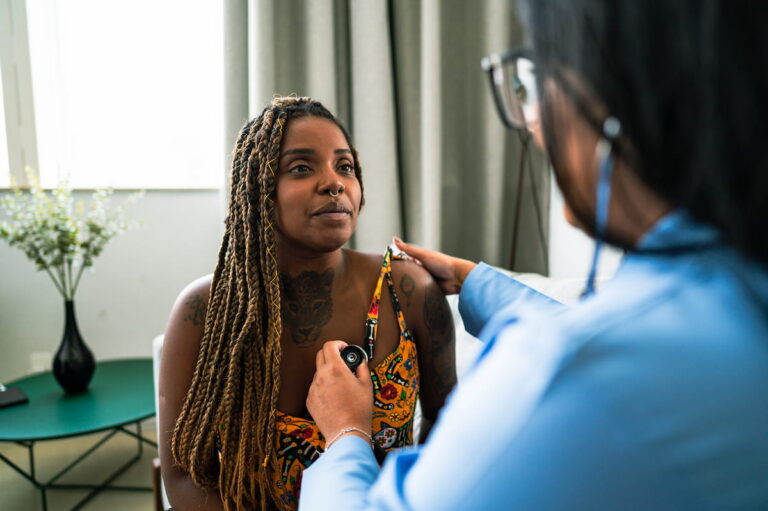
Vaginal atrophy, also known as atrophic vaginitis, is a condition that affects many women as they age. While it’s a common issue, it’s not always discussed openly, which can lead to misunderstandings and unaddressed concerns. In this article, we will explore what vaginal atrophy is and provide nine important facts that Black women should be aware of.’
1. Symptoms Are Linked to Your Hormones
Vaginal atrophy, also known as atrophic vaginitis, is a condition that occurs when there is a decrease in the thickness and elasticity of the vaginal tissue, often as a result of decreased estrogen levels. Hormones, particularly estrogen, play a crucial role in maintaining the health and function of the vaginal tissues. When estrogen levels decline, which can happen during menopause or due to other factors, it can lead to various symptoms associated with vaginal atrophy including vaginal dryness, vaginal irritation and itching, painful intercourse, urinary symptoms, vaginal discharge and vaginal and vulvar discomfort.
These symptoms are directly related to hormonal changes, and they can significantly impact your quality of life. If you experience these symptoms, it is important to consult a healthcare provider for an accurate diagnosis and appropriate management options.
Featured on BlackDoctor
2. Vaginal Atrophy Is a Common Part of Aging
Vaginal atrophy is more commonly associated with aging.
The main reasons why vaginal atrophy is often linked to aging are as follows:
Menopause: Menopause is a natural biological process that occurs as women age. During menopause, the ovaries produce less estrogen, which can lead to the thinning and drying of the vaginal walls, along with other associated symptoms of vaginal atrophy.
Perimenopause: Perimenopause is the transitional period leading up to menopause, during which estrogen levels may fluctuate and gradually decline. Many women may begin to experience vaginal atrophy symptoms during perimenopause.
Aging and hormonal changes: Even outside of menopause, as women age, there is a gradual decrease in estrogen levels. This can contribute to the development of vaginal atrophy over time.
However, while it is more prevalent in older women, it is not an inevitable part of aging, and not all women will experience vaginal atrophy.
It’s also important to note that while vaginal atrophy is more common in older women, it can also occur in younger women for reasons other than aging, such as chemotherapy, certain medications, breast cancer treatment, surgical removal of the ovaries, or conditions that affect hormone production. Therefore, it’s not exclusively related to age.
3. There Are Reasons for Vaginal Atrophy Besides Menopause
As noted above, it’s important to recognize that vaginal atrophy is not limited to menopausal women and can affect women at various stages of life. If you are experiencing symptoms of vaginal atrophy, regardless of the underlying cause, it’s essential to seek medical advice. A healthcare provider can assess your specific situation, diagnose the cause of your symptoms, and recommend appropriate treatment options.
Symptoms of vaginal atrophy can be extremely uncomfortable and can significantly affect a woman’s quality of life.If you are experiencing symptoms of vaginal atrophy, it’s crucial to seek medical advice and discuss your concerns with a healthcare provider. They can provide a proper diagnosis, discuss potential treatment options, and help you find the most suitable approach to manage and alleviate the discomfort associated with vaginal atrophy.
The diagnosis of vaginal atrophy is generally straightforward and can often be made based on a woman’s medical history and reported symptoms.
Healthcare providers typically use the following methods to diagnose vaginal atrophy:
Medical History: The healthcare provider will start by asking about the woman’s medical history, including symptoms, any changes in menstrual or menopausal status, medications, and any relevant medical conditions or treatments.
Physical Examination: A physical examination of the vaginal and pelvic area may be performed to assess the condition of the vaginal tissues. The healthcare provider will look for signs of thinning, dryness, and inflammation.
Symptom Assessment: The healthcare provider will inquire about specific symptoms, such as vaginal dryness, pain during sexual intercourse, vaginal itching, and urinary symptoms, to help establish the diagnosis.
Exclusion of Other Conditions: The healthcare provider may also rule out other possible causes of the symptoms, such as infections, dermatological conditions, or gynecological problems.
In some cases, additional tests or diagnostic procedures may be recommended to confirm the diagnosis or assess the severity of vaginal atrophy. These can include:
Vaginal pH Testing: A pH test may be performed to measure the acidity of the vaginal environment. Vaginal atrophy is associated with an increase in vaginal pH.
Vaginal Smear/Cytology: A vaginal smear or cytology test may be conducted to examine the vaginal cells, which can show changes associated with vaginal atrophy.
Biopsy: In rare cases, a biopsy of the vaginal tissues may be performed to confirm the diagnosis and rule out other conditions.
6. Vaginal Atrophy Can Affect Your Sex Life
Vaginal atrophy can have a significant impact on a woman’s sex life including painful intercourse, decreased lubrication, loss of libido and difficulty achieving an orgasm.
Open communication with a healthcare provider and, if necessary, with your partner, can be crucial in managing the effects of vaginal atrophy on your sex life and overall well-being. Treating vaginal atrophy can help you enjoy a healthier, more fulfilling sex life.
7. Nonhormonal Treatments Can Help
Non-hormonal treatments such as lubricants, moisturizers, kegel exercises and maintaining a healthy lifestyle can be effective in managing the symptoms of vaginal atrophy, providing relief and improving vaginal health without the use of hormone replacement therapy (HRT).
Hormonal treatments are a commonly used and highly effective option for managing vaginal atrophy. Hormone replacement therapy (HRT) is often prescribed to address the symptoms of vaginal atrophy, particularly in women who are experiencing discomfort due to low estrogen levels. HRT helps to restore estrogen levels in the body, which can alleviate the thinning, drying, and inflammation of the vaginal tissues and improve overall vaginal health.
9. Healthy Choices Can Improve Vaginal Health
There are various healthy lifestyle choices and practices that can contribute to improving vaginal health, either as standalone strategies or in conjunction with medical treatments. These can help enhance your overall well-being and may complement your treatment options for vaginal atrophy.
Vaginal atrophy is a common yet under-discussed condition that affects many women as they age. Understanding the causes, symptoms, and available treatment options is crucial for women’s overall health and well-being. If you suspect you are experiencing vaginal atrophy, don’t hesitate to discuss your symptoms with a healthcare provider, as there are effective solutions to help you regain your comfort and quality of life.
BlackDoctor is the world’s largest and most comprehensive online health resource specifically for the Black community. BlackDoctor understands that the uniqueness of Black culture - our heritage and our traditions - plays a role in our health. BlackDoctor gives you access to innovative new approaches to the health information you need in everyday language so you can break through the disparities, gain control and live your life to its fullest.
✦ AI Search Disclaimer This AI-powered search tool helps you find relevant health articles from the BlackDoctor.org archive. Please keep the following in mind:
✦ For Informational Purposes Only The information provided through this AI search is for general educational and informational purposes only. It is not intended as a substitute for professional medical advice, diagnosis, or treatment.
✦ Always Consult a Healthcare Provider Never disregard professional medical advice or delay seeking it because of something you have read through this search tool. If you have a medical emergency, call your doctor or 911 immediately.
✦ AI Limitations This search tool uses artificial intelligence to help match your queries with articles in our archive. While we strive for accuracy, AI-generated results may occasionally be incomplete, outdated, or not fully relevant to your specific situation.
✦ No Doctor-Patient Relationship Using this search tool does not create a doctor-patient relationship between you and BlackDoctor.org or any healthcare provider.
Explore over 35,000 articles and videos across black health, wellness, lifestyle and culture