If someone you loved needed a kidney transplantation, would you donate one of your kidneys to them? How about a complete stranger, would you consider going under the knife to prolong a stranger’s life? Many of us say we’ll donate. But, is it a genuine sentiment or something we say to sound loving and heroic?
Approximately 123,000 Americans are on a waiting list to receive an organ transplant. At least 101,000 of those people are waiting for a kidney transplant. That number may not sound unattainable. But, only 17,000 people actually receive kidney transplants per year, according to the National Kidney Foundation.
There are two types of kidney transplantations: those that come from living donors (usually a loved one) and those that come from non-living donors (usually a stranger). A kidney transplantation from living donors lasts about five years longer than those from non-living donors, according to Barnes-Jewish Hospital.
The average kidney transplantation surgery lasts for about three hours.
“Shortly before going into surgery, medicine is given to the patients to help them relax. A general anesthetic is then given. The donor and recipient are in adjacent operating rooms. The transplant surgeon removes the kidney from the donor and prepares it for transplant into the recipient,” according to Barnes-Jewish Hospital.
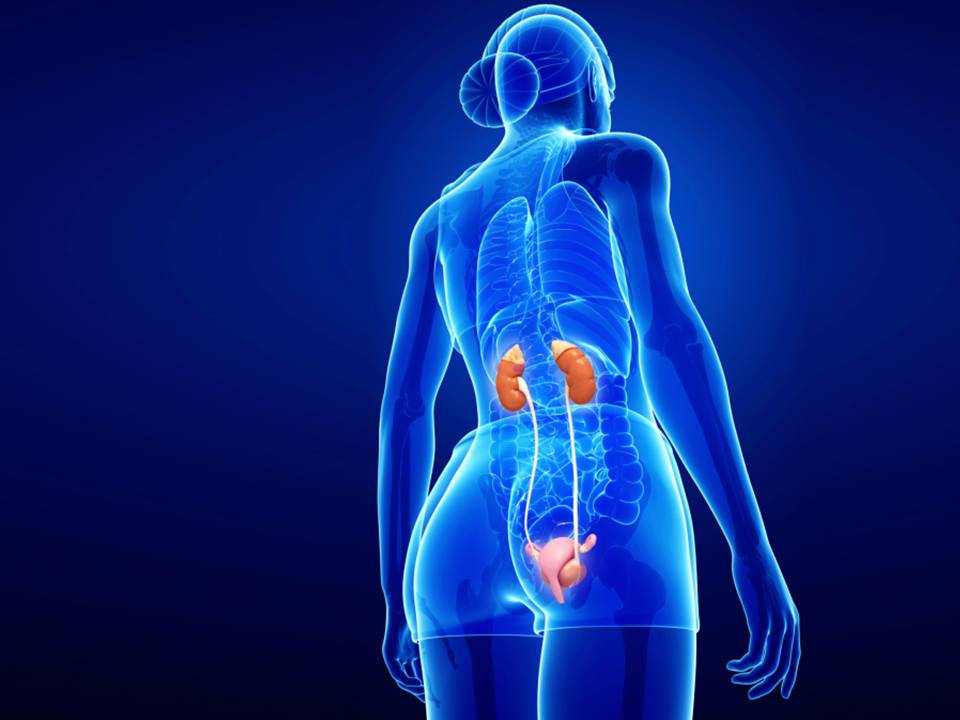
“There, the surgeon connects the renal artery and vein of the new kidney to the recipient’s artery and vein. This creates blood flow through the kidney, which makes urine. The ureter, or tube coming down from the donor kidney, is sewn into the bladder. Usually, the new kidney will start working right away. Sometimes, it takes several days for the donor kidney to “wake up.”
“My uncle was going to have to go on dialysis. In 2003, I donated a kidney to him. It’s been 13 years. I don’t feel any different. I don’t even think about it anymore,” said Steve Setchfield whose grandfather passed away from polycystic kidney disease (PKD).
“My uncle actually has three kidneys. He has the two that he was born with and then he has the one from me. Because they don’t typically take out the bad ones unless there’s probably a lot of bleeding or a lot of pain. They still work [at] a 5-15% capacity. The new one that they put in, they put [it] on his right side, right along his belt line in front of his right hip. It doesn’t go in the same place,” Setchfield said.
Setchfield says the donor and recipient, in his experience, traded places; He (the donor) went in feeling pretty good. But, he came out feeling lousy because he’d just had surgery. His uncle (the recipient) went in feeling lousy because his kidneys were failing. But, he came out feeling great. Typically, both patients remain in the hospital for about three to seven days. The donor is usually advised to refrain from heavy lifting for about six weeks.
According to the National Kidney Foundation, the United Network for Organ Sharing, UNOS, gives priority to living donors should they need an organ transplant after donating.
“They mentioned to me that if something were to happen to me, if I were to have a car accident, have kidney failure, get shot or something like that where I need a transplant, I go to the top of the list. I guess we have priority if you’re a living donor,” said Setchfield.
Don’t know anyone who needs a kidney, but would still like to donate? Plenty of donors give simply because they are compelled to help someone who is in need. Visit Kidney.org for more information on becoming a living donor.
If you would like to register or learn more about becoming a deceased donor, visit DonateLife.net.


By subscribing, you consent to receive emails from BlackDoctor.com. You may unsubscribe at any time. Privacy Policy & Terms of Service.