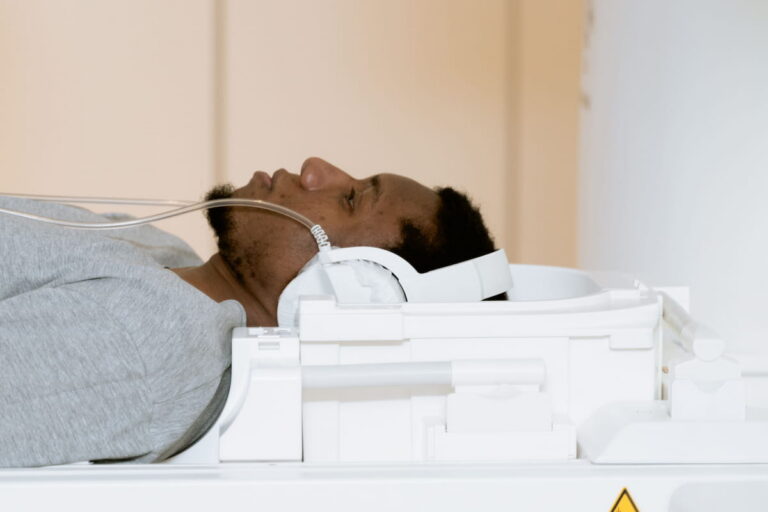
What is jaw popping? Jaw popping can be a painful sensation that’s caused by dysfunction of the temporomandibular joints (TMJ). These are the joints that connect the jawbone to the skull with one joint on each side. It’s the hinge action of the temporomandibular joint that is responsible for your ability to chew, talk and yawn.
Oddly enough, younger persons and women between the ages of 30 and 50 are most likely to experience TMJ, though it’s unclear why. However, anyone of any age and either gender can experience jaw popping and TMJ. Fortunately, the condition is most often temporary, and can be relieved with lifestyle changes and home treatments.
Some causes of jaw popping and TMJ include:
Frequently performing these behaviors can cause wear and tear on the joints, which can lead to erosion.
Jaw popping is generally not a cause for concern if there isn’t any jaw pain with it. However, certain underlying causes for the popping can create a TMJ condition that needs medical attention. These causes include:
Arthritis can cause damage to the cartilage of the temporomandibular joint. Loss of cartilage makes the jaw movements lack proper absorption in the joint socket.
If you have sustained an injury such as a broken or dislocated jaw. Dislocation occurs when the jaw joint becomes unhinged. Jaw injuries need to be treated swiftly for proper healing.
Malocclusion of the teeth results in misalignment. This can cause the jaw to pop. Malocclusion is also known as a crossbite, overbite, underbite, open bite or crowded teeth. Misalignment is usually treated with braces and other orthodontic care.
Myofascial pain syndrome (MPS) causes chronic pain in the musculoskeletal system. The pain is usually localized to one area. MPS in the jaw can cause the jaw to pop. People with MPS have trigger points, or sensitive spots. These trigger points cause pain when pressure is applied. Someone who has MPS may have pain that gets worse with straining or stretching of the muscle—pain that doesn’t get better after a week.
A smaller range of motion in the affected area. Jaw popping can also be caused by both obstructive sleep apnea (OSA) and central sleep apnea (CSA). OSA causes a person to stop breathing involuntarily throughout their sleep cycle due to narrowness in the throat. The limited airflow restricts how much air goes into the lungs. This causes the individual to wake up so they can catch their breath. Other symptoms of OSA include snoring, daytime sleepiness, headaches and leg swelling. People who have central sleep apnea stop breathing periodically during sleep because the brain doesn’t accurately signal the muscles. A CPAP (continuous positive airway pressure) machine is the most common treatment for sleep apnea.
Infection of the salivary gland can lead to TMJ and jaw popping, among other symptoms. The infection can reside in the parotid glands inside each cheek, the glands just below the jawbone as well as the sublingual glands located under your tongue. You may be unable to fully open your mouth, which can cause the popping. You may also have dry mouth, face pain, foul taste in the mouth or swelling of the face and neck. These infections should be treated right away. When a tumor interferes with the movement of the jaw, you may also experience jaw popping.
Women are most likely to experience TMJ, though it’s unclear why—occurring most frequently both in younger persons and in women between the ages of 30 and 50. However, anyone of any age and either sex can experience…
jaw popping and TMJ. The condition is most often temporary. TMJ can be relieved with lifestyle changes and home treatment. Your doctor may prescribe at-home remedies to help alleviate your TMJ. Home remedies may include using an icepack or moist heat, taking non-steroidal anti-inflammatory drugs such as acetaminophen (Tylenol) and aspirin, antidepressants or muscle relaxants. Also wearing a night guard and performing TMJ specific exercises.
Additionally, your doctor may also suggest that you undergo medical treatment, such as corrective dental treatments, ultrasounds, trigger point injections or electrical nerve stimulation (ENS). Surgery is sometimes an option, but only if other treatments have been unsuccessful. Relevant surgeries may remove fluid from the joint or repair the joint.


By subscribing, you consent to receive emails from BlackDoctor.com. You may unsubscribe at any time. Privacy Policy & Terms of Service.