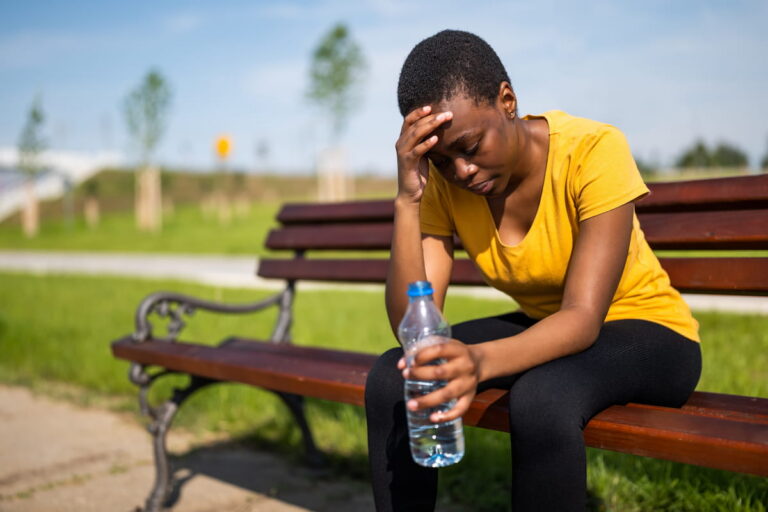
Domestic violence (DV) is not a new phenomenon. Individuals are generally aware that when one person in an intimate relationship uses tactics to control the other partner in the relationship (physical abuse, emotional abuse, intimidation, stalking, etc.), it is considered DV or intimate partner violence (IPV).
READ: 8 Red Flags You May Be Dating A Sociopath
However, when people think of sexual abuse they typically think of a vulnerable child being violated. Sometimes they think of a predator jumping out of the bushes and assaulting an unsuspecting victim. They rarely think about sexual abuse within the confines of an intimate relationship. But sexual abuse by intimate partners is far more prevalent than most people realize.
It can be a tactic used as a means to gain and exert power and control in a relationship that is already unhealthy and experiencing domestic violence. While sexual abuse may accompany other forms of violence in some relationships, in other relationships it may be the only form of violence.
READ: If It’s Not A Clear Yes It’s A No: Honoring Sexual Consent In Relationships
Sexual abuse in intimate relationships often encompasses coercing, frightening, pressuring, or manipulating a partner to participate in or perform sexual actions that could include but are not restricted to:
Studies show that between 50 and 75 percent of women who experience physical abuse in a relationship also experience sexual abuse from that same partner. Also, in the United States greater than 50 percent of women survivors of rape and greater than 75 percent of women survivors of sexual pressuring conveyed that the offender was a past or present intimate partner. There is also an acknowledgement that these numbers are grossly under reported. Likewise, prevalence among male victims is largely underreported.

There are unique dynamics that exist and must be considered when examining sexual abuse. Several cultures do not subscribe to the belief that forced sex acts in intimate relationships constitute rape. Gender role stereotypes can be harmful for survivors and lead to underreporting, lack of advocacy, and further violence.
Safety is paramount and safety planning may lead to more positive outcomes for survivors. Here are several tips that could ensure greater safety when one is experiencing sexual assault in an intimate relationship:
The following resources provide further pertinent information:
U.S. National Domestic Violence Hotline at 1-800-799-7233
Rape, Abuse, and Incest National Network
Information on reproductive coercion

Dr. Natasha Watson Mack has over 15 years community service experience as a domestic violence and sexual assault counselor working with men who have been physically, emotionally, sexually, psychologically and economically abusive to their partners, and as crisis intervention counselor at an agency for survivors of domestic violence and sexual assault. Natasha does extensive work with teens in the area of sexual dating violence and safer sex practices. She served as Chief Operating Officer of a non-profit men’s program for 7 years. She currently serves as an administrator in child protective services working primarily with child survivors of sexual assault. Natasha’s core expertise is in counseling, education, program management and operations. She attended Lincoln University where she studied Human Services and earned a Masters degree. Learn more at her website www.DrNatashaPhD.com.


By subscribing, you consent to receive emails from BlackDoctor.com. You may unsubscribe at any time. Privacy Policy & Terms of Service.