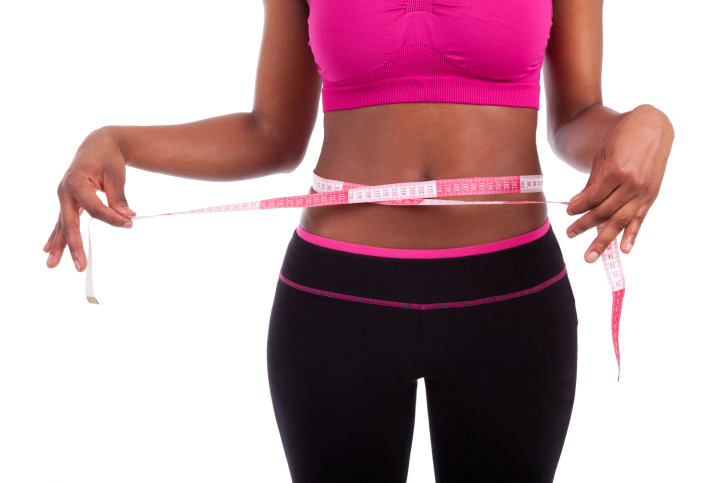
I have some clients who are celebrating every single time they step on the scale, and I have other clients that get on the scale and end up depressed. The irony of this situation is that both groups of clients are constantly having to shop for new clothes and explain to their friends what they are doing to look so great. So why does one group constantly lose weight, while another group can’t seem to get the scale to budge?
The ability to lose weight varies greatly from person to person. In theory, each of us has our own set point – the genetically determined weight our body attempts to maintain. When we overeat, the body increases its metabolic rate to decrease storage of calories.
When we’re starved, our metabolic rate decreases to conserve energy and store fat. I have a very physically demanding job as a personal trainer so I need to intake more calories to maintain my weight than my clients who sit at a desk and work on computers most of the day.
Get The LATEST Articles Straight To Your Inbox!
A study conducted by Maj. Ann Grediagin of the 62nd Medical Group and colleagues published in the June 1995 edition of the Journal of the American Dietetic Association found that fat loss is linked to overall calorie burn and not exercise intensity. Moderate exercise will burn fat just as effectively as intense exercise, only it will take longer to burn an equivalent amount of calories.
Here’s the Skinny
I usually have clients who don’t have hours on end to exercise, so I use intervals (short bursts of intense exercise) to assist with their weight loss. Some women who exercise with me become frustrated initially when they don’t lose weight. They don’t realize that this type of training increases muscle size, and muscle tissue weighs the same as fat but takes up less space. I try to always remind my clients to focus on how their clothes fit and not what the scale says.
As you develop muscle and lose fat, you may lose inches instead of pounds. You may even gain weight, but you’ll appear slimmer and trimmer. Because you’re lowering your body-fat percentage (how much of your body is fat) and increasing your metabolic rate, you’re improving your physical fitness considerably and how you look.
Chronic crash dieters lose muscle along with fat, and when they regain weight, they gain back mostly fat. Over time, yo-yo dieters end up with a higher body-fat percentage after they return to their original body weight or weigh even more than when they started.
Siddiqu “The Personal Trainer” is a CPT, motivational speaker, author of How Are You Fat and Saved?! He is also the Co-creator of the exercise series “You Would Think I Invented Sweat” for booking information or more fitness tips visit www.chicagofit4life.com