Johnson & Johnson coronavirus vaccines remain on hold after several patients who recently received the shot suffered from rare but severe blood clots.
There are six confirmed cases being studied by the Food and Drug Administration, Centers for Disease Control and Prevention and Johnson & Johnson. Whether the vaccine has a direct causative effect on the clots is unknown at this time.
Factually, more than 7 million people have received the Johnson & Johnson one-dose vaccine, but only six cases have been singled out for having severe blood clots, which is about one in a million.
All of the cases were observed in women, between 18 and 48 years old.
As the Advisory Committee on Immunization Practices debated whether to recommend lifting the pause or giving the shot to only certain groups,a seventh possible case, in a 28-year-old woman, was included Wednesday. The committee said it needed more information on all of the cases and will continue to monitor for more before making a recommendation.
“Everybody is at risk,” Dr. Sarah Long, a pediatrics professor at Drexel University, said at the meeting. “And although it’s a very small risk — it is so serious.”
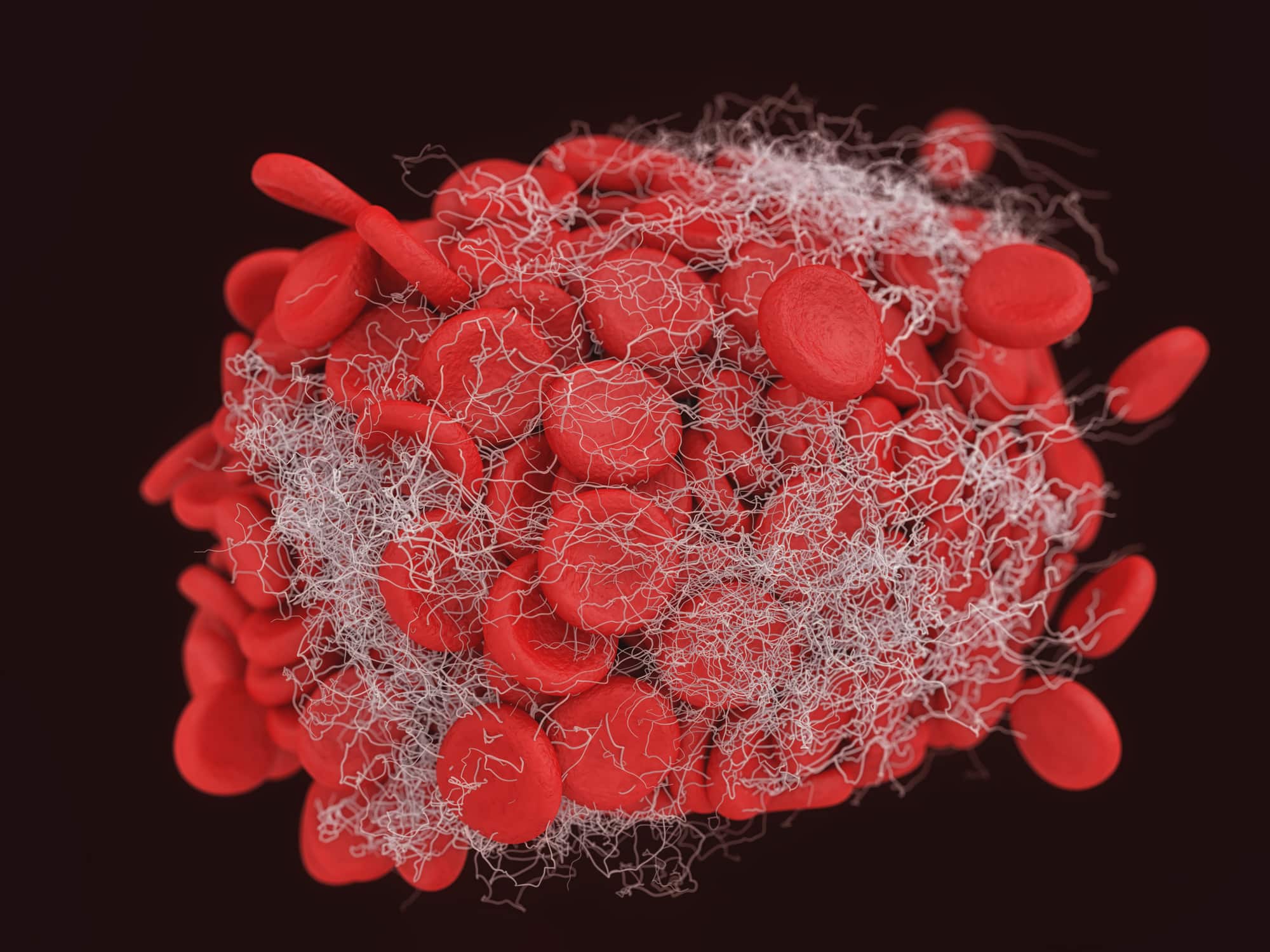
Of the six known cases so far, all are white females, with a median age of 33. Within a week or two of taking their shot, they began getting headaches, some of them also had muscle aches, chills, fever, back pain and labored breathing. Many of these are typical side effects of the vaccine, but the increasing severity of symptoms is not. The clotting in the brain found in these women, which are clots that form in the brain’s sinus veins and clog its drainage system, is also different.
Three women remain hospitalized, with two in intensive care. A 45-year-old woman living in Virginia has died. She received the J&J vaccine in early March, and 11 days after taking the shot, was hospitalized with serious adverse symptoms. She died a week later, on March 18.
In Nebraska, a 48-year-old woman with an “unremarkable” past medical history was taken to the ER after three days of malaise and abdominal pain. She remains critically ill.
Another woman,age 38, also presented with cerebral venous sinus thrombosis, or CVST. She has not recovered.
A 59-year-old woman with no known coronary artery disease who received the J&J vaccine presented with extensive deep venous thrombosis on her left side seven days after taking the shot. She has not recovered.
An 18-year-old in Nevada with unknown risk factors received the vaccine, and two weeks later presented with CVST (cerebral venous sinus thrombosis) with hemorrhage. She has not yet recovered.
A 26-year-old woman with obesity in the New Jersey-Pennsylvania area received the J&J shot and seven days later presented with symptom onset. She has since been discharged from the hospital.
Based upon increased understanding of who may be at risk, panel members acknowledge the delicate balance between racing forward to beat the virus and its variants, versus slowing down and ensuring the safety and impact of the vaccine.
“This is so challenging because the impact of ACIP decisions on the global stage is clear,” said Dr. Grace Lee, co-chair of a panel on the committee. “I continue to feel we’re in a race against time and the variants but we need to do so in the safest possible way.”
The CDC says anyone who recently got the J&J vaccine should be aware of oncoming severe headaches, severe abdominal pain, or shortness of breath within a week to three weeks after Injection. They suggest seeking medical attention and mention your vaccine when doing so. Diagnostic tests should be completed to determine the appropriate use of the blood thinner Heparin during treatment.


By subscribing, you consent to receive emails from BlackDoctor.com. You may unsubscribe at any time. Privacy Policy & Terms of Service.