Do you remember the day of your very first period? The feelings that you experienced? I do. I had a mix of emotions for sure. I was nervous, a little uncomfortable, anxious, and believe it or not, empowered. I felt like a new young woman. I was also very, very annoyed because my mother didn’t have a pad that was sized for me. I mean really, that pad was long as heck. I felt like I had on a huge diaper…it actually kind of traumatized me lol. I encourage you all (mamas) to stock up on pads that are sized for your pre-teen/teen. They’ll love you for it.
Now, you may or may not have heard news outlets and/or different publications discussing the many concerns. Studies have found trends toward earlier menarche during the past five to 10 decades in the US as well as globally. In the US, studies have additionally evaluated whether this trend varied by sociodemographic factors of Black girls getting their periods sooner. Yes, you read that right! Globally, Black girls in the United States are getting their very first periods earlier than they did in the 50s and 60s. To give you a little more insight, females born in the early 2000s started menstruating around six months earlier than those born in earlier years. Crazy, right?
I wanted to dig a little deeper into why our girls are getting their periods sooner. As a Black mother who has a Black daughter, I was intrigued, yet cornered at the same time when I heard the news of girls getting their periods sooner. Not only are our girls experiencing a new level of womanhood earlier but they are also dealing with the emotional and physical symptoms that come with periods.
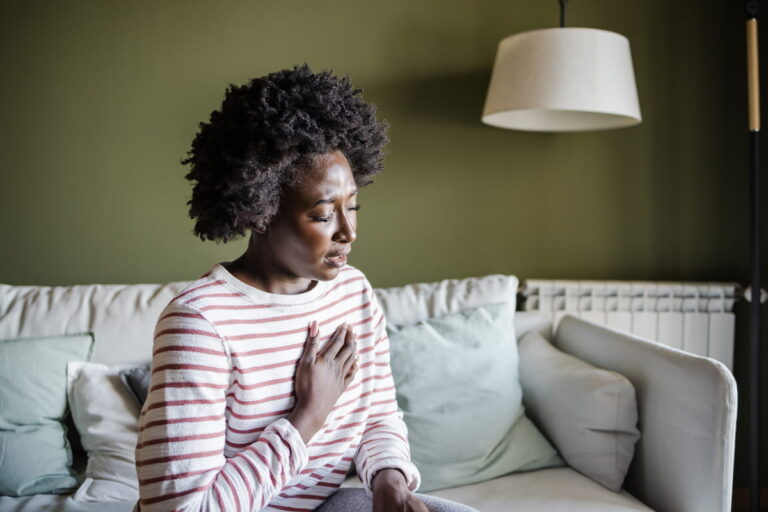
To name a few:
Not to mention, starting periods early is associated with an increased risk of disease and other conditions later in life because this leads to a longer exposure to estrogen.
“For example, endometriosis is a painful condition where tissue similar to the uterine lining grows outside the uterus. This often begins with menstruation and research has found a ‘small increased risk’ of endometriosis for those who get their periods before the age of 11,” Dr. Bayo Curry-Winchell says.
RELATED: Understanding Your Menstrual Cycle: Tracking & Cramps
Earlier periods can also contribute to conditions like:
“When we start thinking about early periods and risks like cardiovascular disease or breast cancer, we realize how broad the impact can be. As a mother, these statistics are alarming. As a physician, I’ve seen firsthand how early estrogen exposure can have long-term consequences. For a Black girl already navigating society’s challenges, this adds yet another layer. That’s why it’s crucial to address these issues early — with education that goes beyond just managing periods. We need to help our girls understand their bodies and what these changes mean for their future health,” Dr. Curry-Winchell adds.
Now that we’ve talked about the risks of early periods, let’s jump into the nitty gritty.
What contributes to Black girls getting their periods sooner:
“When discussing socioeconomic stress, I often think about how external factors — like stress in lower-income households or neighborhoods — are silently affecting our girls’ health. There’s no escaping the fact that families living with economic hardship are dealing with higher amounts of chronic stress. That stress seeps into everything, including hormone production. The lack of access to healthier food is another major issue. It’s all interconnected. If we really want to protect our girls, we need to look at how disparities in wealth affect something as personal and pivotal as a girl’s menstrual health,” Dr. Curry-Winchell notes.
I want to leave you with some takeaways, tips and suggestions.
“It’s important to teach our girls about their bodies before their periods start. This isn’t just about managing cycles — it’s about knowing why they happen, what to expect, and feeling empowered by the knowledge. When I talk with my daughters, I try to normalize these discussions. I want them to feel comfortable, confident, and ready. This is about arming our girls with the tools to advocate for themselves, especially in the healthcare system where their concerns could be overlooked or diminished,” Dr. Curry-Winchell concludes.
Looking for more reads on all things period? Click here.

By subscribing, you consent to receive emails from BlackDoctor.com. You may unsubscribe at any time. Privacy Policy & Terms of Service.