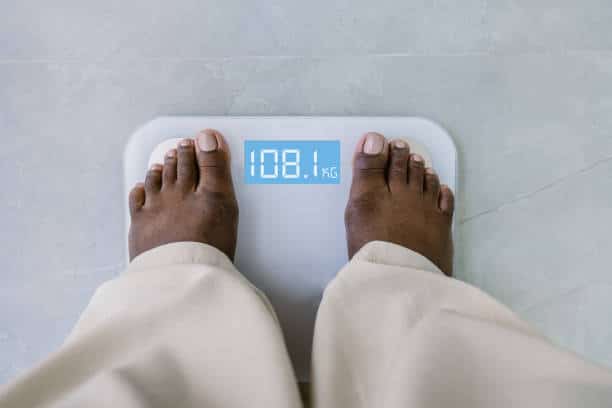
Heart failure can progress slowly and quietly. To manage the condition, you must monitor your body carefully to know when something is wrong. One of the areas you have to pay attention to is your weight in the form of daily weight checks. This information can reveal whether or not your heart is in trouble.
It’s common for people’s weight to fluctuate day to day. It’s also natural to gain weight over time. However, if you’re living with heart failure, significant weight gain could signal that you’re retaining excess fluid. This fluid retention is an early indication that your heart failure is getting worse.
While retaining fluid can cause swelling in your stomach and extremities, this isn’t the same for everyone. The swelling also might not happen until your condition has progressed to a more severe stage.
Before starting your daily weight checks, you need to ask your doctor for your dry weight. Your dry weight is what you weigh without excess fluids. This is the weight that you’ll compare your daily number to.
It’s best to weigh yourself first thing in the morning after using the bathroom but before you’ve had anything to eat or drink. You should wear the same clothes, use the same scale, and take your shoes off. You should also keep the scale on a flat surface when you’re using it.
Doctors suggest keeping a calendar by the scale to record your weight so you can see the differences easily as well as any trends in what you weigh. Generally, you should let your doctor know if you’ve gained two to three pounds in a day or two or five pounds in a week. Your doctor may give you a different number to watch out for, though.
RELATED: Heart Failure in Young Black Women: Things to Look Out For
If you notice a weight difference, your first step is to contact your doctor. They’ll usually have a medical protocol for you to follow but there are a few common changes that doctors suggest.
You may need to limit your sodium intake to less than 2000 mg per day until you go back to your dry weight. Your doctor may also ask you to drink fewer beverages than usual. While you’re waiting for your weight to return to normal, your doctor may request regular check-ins.
One thing many doctors recommend is making a note of any other health changes you notice when your weight fluctuates. It will also be helpful to note if these issues persist after your weight returns to normal or return when you gain weight again. This information may give some insight into your heart failure.
Though heart failure can be managed, it’s a chronic condition that still progresses. As such, you need to know which symptoms should be brought to your doctor’s attention. Apart from changes in your weight, you should let your doctor know if you have shortness of breath, any swelling in your body or extremities, changes in your heart rate, or consistently high blood pressure. If you’re having trouble concentrating, you should tell your doctor about that as well.
It’s important to note that the list is not exhaustive. Depending on your health and medication regimen, your doctor may ask you to track how well you sleep and how often you use the bathroom if you take diuretics.
Living well with heart failure means monitoring your body closely – including daily weight changes. While you’ll do those weight checks independently, it doesn’t mean that your doctor won’t be involved. It’s essential to tell them about any weight fluctuation and changes in your health so they can help.


By subscribing, you consent to receive emails from BlackDoctor.com. You may unsubscribe at any time. Privacy Policy & Terms of Service.