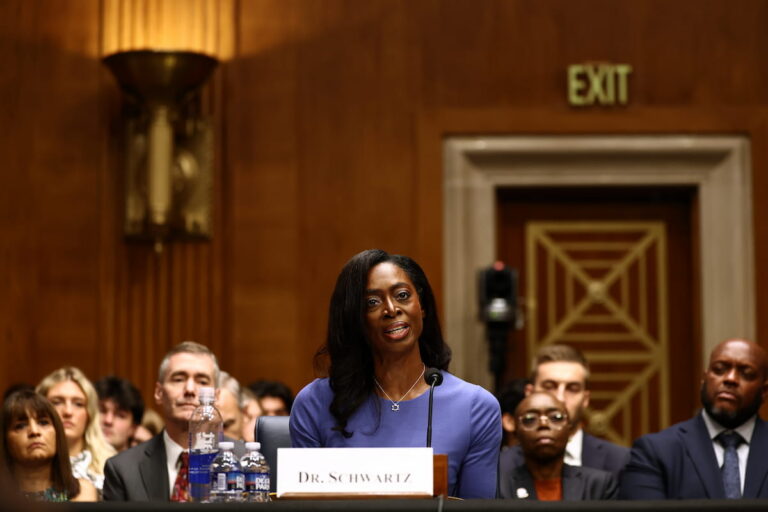
 Photo: Dr. Ana’Neicia Williams
In recent years, increasing attention has been given to maternal mental health and the critical need for suicide prevention, particularly among women of color. The rising rates of maternal suicide and mental health struggles call for a deeper understanding of the stressors and systemic challenges women face, especially Black mothers.
Many women experience profound challenges related to mental health before, during, and after pregnancy. Suicide is a leading cause of maternal death, often exacerbated by undiagnosed or untreated mental health conditions such as depression, anxiety, and postpartum psychosis.
“A lot of people don’t realize the stresses and tolls that come with mothering. The Surgeon General recently acknowledged that mothering is hard labor. There’s a lot that comes with it, and during Suicide Prevention Month, it’s crucial to highlight that mental health plays a significant role in maternal deaths,” Dr. Ana’Neicia Williams, a collective care practitioner and founder of Momology Maternal Wellness Club, LLC. shares. “Suicide attempts, or deaths by suicide, are often linked to underlying mental health issues or disorders that have gone unaddressed. Mothers can experience a range of struggles due to complex issues related to mothering and underlying mental health conditions.”
Here’s what Dr. Williams says needs to be done to combat this.
In addressing maternal mental health, cultural and ancestral practices are increasingly seen as vital tools in therapeutic spaces. Movement and dance, for example, are deeply rooted in Black culture and can provide a form of release for women who store stress and trauma in their bodies.
“Recently, I partnered with other clinicians to host a retreat. When we talk about ancestral practices, we’re returning to cultural roots. For Black women, movement and dance have been deeply embedded in our culture, especially in how we engage with our bodies and music,” Dr. Williams adds. “A lot of people don’t realize that women store emotions in their gut and womb. So, opening up that area and releasing tension can be helpful. Therapeutically, moving your body is essential because suppressed emotions can manifest physically—headaches, immune issues, etc. We’ve seen people struggle because they suppress their emotions.”
Additionally, practices like gardening, being in nature, and using holistic therapies such as aromatherapy offer accessible and culturally relevant ways to help mothers manage their mental health. The idea is to create spaces where women can feel connected, not just to their bodies but to each other—through collective care models like sister circles, where women can share their experiences and support one another.
“As a clinician, I was trained to maintain boundaries, but I’ve embraced using sister circles in the community. In these circles, the participants guide the conversation, making it an even playing field where I’m not ‘the expert’ and we all share and learn together. Integrating practices like yoga, aromatherapy, or even gardening can also be helpful. Sometimes people don’t realize that something as simple as stepping into nature can significantly improve their mood, especially when it comes to seasonal depression as we move into fall and winter when sunlight is limited,” Dr. Williams tells BlackDoctor.org.
Support systems also play a critical role in suicide prevention and maternal mental health.
“When I started [Momology Maternal Wellness Club, LLC], I wanted to show up as a therapist and ensure that people have access to maternal mental health resources. People often think you need a diagnosis of depression or anxiety, but when I speak with Black women, I hear a lot of anxiety about childbirth. They’re hearing about the negative outcomes Black women face, and that adds to their stress. We create a safe space for them to discuss what it feels like to birth as a Black woman in America,” Dr. Williams says. “We also help them advocate for themselves, choose their providers, and ask for what they need.”
Many moms feel pressure to be perfect, which means they may not ask for help. This makes it important to check on them and ask them what they need.
“Offer specific suggestions. For example, “I’ll sit with the baby so you can take a nap,” or “I’ll bring you a meal.” Sometimes, moms just need someone to paint a picture of what support looks like so they can lean on it,” Dr. Williams notes.
On a broader scale, policy plays an essential role in addressing the root causes of mental health disparities among mothers.
“Momology has grown to involve policy work and consultation. I’ve lobbied at our state Capitol, advocating for policies that better support women’s social determinants of health and addressing issues like implicit bias in hospitals. Mental health struggles are often tied to systemic problems—economic hardship, housing, food insecurity—so addressing these issues is critical for mental health and suicide prevention,” Dr. Williams adds.
Postpartum is a particularly vulnerable time for many mothers, as they face hormonal shifts, sleep deprivation, and the pressures of caring for a newborn.
“Postpartum care is key, especially since we’re seeing poor outcomes. As a therapist and someone who integrates doulas into care, we provide support for mothers in understanding their bodies, navigating appointments, and managing things like lactation. After birth, hormone levels drop drastically, and that can leave mothers feeling overwhelmed,” Dr. Williams notes.
Signs of postpartum depression, such as difficulty bonding with the baby, changes in eating and sleeping habits, or persistent sadness, can be easily overlooked.
“These can be signs that support is needed. We also consider risk factors like high blood pressure, obesity, and diabetes, ensuring that nutritionists and other professionals are part of the holistic care team. Something as simple as organizing a meal train can have a big impact on a mother’s mental well-being,” Dr. Williams shares.
Suicide prevention must be normalized in maternal care conversations, Dr. Williams notes.
“We are all living in a time where there are heavy societal injustices, especially toward people of color and marginalized groups. We need to be very mindful of those groups. For example, focusing on Black women, we are often stereotyped as strong—as if we can handle everything and carry a lot. I always tell people, it’s often the ones who seem like they have it all together and don’t ask for help that we need to check in with,” Dr. Williams shares.
By integrating mental health discussions into everyday care and ensuring that policies and communities support women holistically, we can make strides in reducing maternal suicides.
“If you think someone is at risk, ensure you have time to listen and approach them non-judgmentally. You can start by asking, ‘How are you doing? How are you navigating life? Is anything feeling heavy?’ You can ask for clarity by saying, ‘I’ve noticed certain behaviors,’ and see if they expand on it. It helps if you’re open to dialogue,” Dr. Williams suggests. “We need to normalize suicide assessments in routine practice. Some people think that asking someone, ‘Are you having suicidal thoughts?’ will make them more likely to act on those thoughts, but that’s not true. What we’re doing is normalizing the question, so we can check in and see where people are at.”
It’s also important to identify the stresses you might be experiencing and share them too.
“We need to do a better job of not being reactive but proactive when it comes to caring for people. If we were more intentional about regularly checking in, I think people would feel more comfortable sharing their feelings. That way, they won’t worry that you’ll immediately call the police or a hospital. Instead, they’ll know you’re validating what they’re feeling and want to help them get the support they need,” Dr. Williams advises.


By subscribing, you consent to receive emails from BlackDoctor.com. You may unsubscribe at any time. Privacy Policy & Terms of Service.