As winter sports season reaches its peak, the thrill of the slopes and the rink often comes with high speeds and hard surfaces. While athleticism and excitement are at an all-time high, Dr. Nekaiya “Kay” Jacobs Pratt, a board-certified pediatric critical care physician and neuro-critical care expert at Advocate Children’s Hospital in Chicago, warns that the most dangerous mistake a participant can make is downplaying a “minor” fall.
BlackDoctor spoke with Dr. Jacobs Pratt, who breaks down the reality of Traumatic Brain Injuries (TBIs), why the “shake it off” mentality is a medical risk, and how to safeguard both children and adults from the long-term consequences of concussions.
According to Dr. Jacobs Pratt, one of the biggest mistakes people make is not being well-informed beforehand about what to do and the signs and symptoms to look for in someone who suffered from a fall, especially those that involve a child or a person hitting their head.
Many athletes may try to shake off an injury or downplay its severity, but that can have serious consequences.
“Concussions are a type of traumatic brain injury,” Dr. Jacobs Pratt explains. “And when we think about concussions and that they are a traumatic brain injury, we think of them as more on the mild side of brain injury. But anytime you have that word injury in there, it is an actual injury to the brain tissue. And the more frequently it happens, the more repetitive it is; there’s a greater risk of that mild symptomology going to moderate or even severe.”
Dr. Jacobs Pratt compares the brain to any other body tissue; when injured, it experiences swelling and bruising. Inside the skull, the brain becomes “angry” and tender. Just like a physical wound on the skin, this tissue requires significant time to “calm down” and heal before it can safely handle more stress.
“Whenever we have athletes or people who hit their head and they suffer from a concussion at that time, we are very strict about when to return to play, when to return to sports, when to return to things that could increase their risk of having another injury because we know that each time the brain takes a hit without the adequate amount of time to heal in between, there’s a greater risk of progression to some of those more severe symptoms of brain injury,” she notes.

A concussion can present in various stages. Dr. Jacobs Pratt outlines the following progression:
“The first thing to do is always seek care,” Dr. Jacobs Pratt advises. “Anytime someone is concerned about a TBI, whether that be for themselves or a child, they should always see their primary provider and seek help. The next thing I would do is watch for any of these symptoms. So, if you have a headache, know where your baseline is. If it’s not improving with a little bit of Tylenol or Motrin or something mild like that, I would return for more care.”
She adds that progressing symptoms are a major warning sign. “If your symptoms actually progress—like maybe you just had a headache the first day and day two you wake up, and now you’ve got nausea and vomiting—it’s really knowing the symptoms, seeking help in the beginning, and keeping track of those symptoms to make sure that if things change, you go back to have a second look.”
The symptoms of a concussion in a child may look similar to those in an adult; however, children’s bodies are still growing, making it vital for parents to keep a protective eye.
“We have to really keep in mind that although the symptoms might present very similarly, children are at a significant risk of having traumatic brain injury because their bodies are not as developed and they don’t have their adult bodies quite yet,” Dr. Jacobs Pratt notes. “If that kid does take a hit to the head, they should seek emergency care and we should try to do preventative things on the front end. So, protective gear and helmeting, those types of things to make sure that we, on the front end, are protecting children as much as possible.”
Ways to protect your child from head injury:
Following a concussion, you may experience headaches, vision changes, memory loss, agitation, and anxiety for weeks. As long as you’re still having active symptoms, you should not be returning to play.
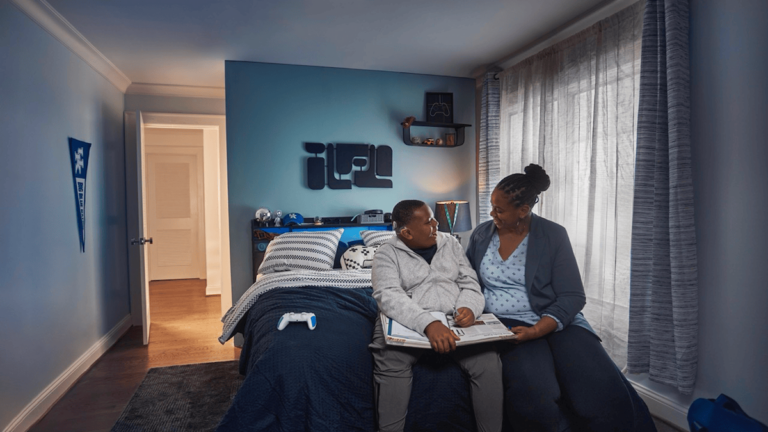
While in that window of active symptoms, you should also be careful with video games. “We should be careful with doing things that are very stimulating to our brain,” she adds. “I tell children to take it easy, maybe read a book, go on a little light walk, but things that are a bit more strenuous than that, we should hold off on and make sure we aren’t exposing our bodies to even more trauma or even more stimuli.”
“That’s when I say, all right, now is the time to actually go back to your primary care provider for your exam following a concussion or some type of traumatic brain injury and say, ‘Now, is it safe to return?,’” Dr. Jacobs Pratt notes.
If a person returns to activity and sustains a “second hit” while the brain is still healing, the consequences can be severe:
Winter sports aside, taking extra precautions during daily winter conditions can prevent brain injury. Dr. Jacobs Pratt emphasizes that “Safety first is always the best way to go.”
Tips for staying safe in winter weather:
“I would encourage people to be knowledgeable of TBI and to try to be as preventative as possible. Maybe that means holding on to rails as you walk. Maybe that means making sure we have appropriate salt on our driveway… acknowledging our limitations and not putting ourselves at risk,” Dr. Jacobs Pratt concludes. “So my message wouldn’t be to discourage people from getting out there, having fun, doing sports, living life—just with safety first.”


By subscribing, you consent to receive emails from BlackDoctor.com. You may unsubscribe at any time. Privacy Policy & Terms of Service.